Why Quality Lab Equipment Matters for Accurate Research Results
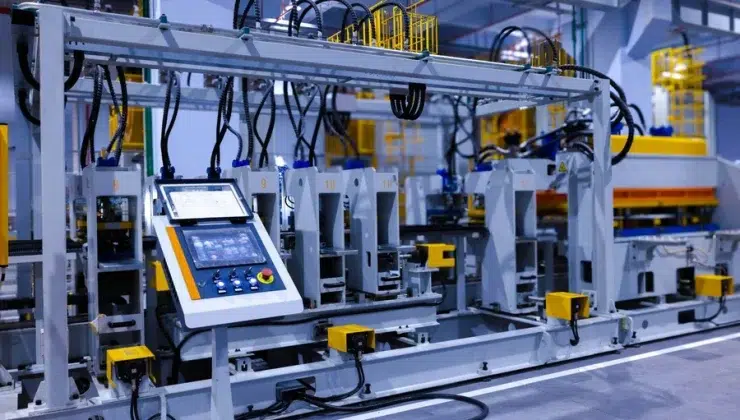
Scientific research depends on precision, consistency, and reliability at every stage of the experimental process. The equipment used in laboratories plays a fundamental role in determining whether research produces valid, reproducible results.
Compromising on lab equipment quality might save money initially, but it creates problems that compound over time. Understanding why quality matters helps researchers and facility managers make informed decisions that support scientific excellence.
The Foundation of Valid Research
Every scientific conclusion rests on data collected through laboratory procedures and instruments. When equipment performs inconsistently or inaccurately, the resulting data cannot be trusted.
Peer reviewers and regulatory bodies scrutinise methodology as closely as results themselves. Research conducted with substandard equipment faces rejection regardless of how promising the findings appear.
Quality equipment provides the stable foundation upon which credible science is built. Without this foundation, even the most brilliant hypotheses cannot be properly tested or validated.
Precision and Accuracy in Measurement

Laboratory work demands both precision and accuracy from every instrument involved. Precision refers to consistency between repeated measurements, while accuracy describes how close results come to true values.
Quality instruments deliver both attributes reliably over thousands of measurement cycles. Inferior equipment may start reasonably accurate but drift quickly, introducing errors that accumulate undetected.
Temperature-controlled equipment illustrates this principle clearly in research settings. An incubator that fluctuates even slightly can compromise cell cultures or bacterial growth experiments entirely.
Investing in reliable lab equipment ensures your measurements remain trustworthy throughout extended research programmes. Australian-made equipment designed for local conditions provides particular advantages in precision and ongoing support.
Chromatography instruments exemplify the precision demands facing modern research laboratories. These separation systems must maintain consistent pressure, temperature, and flow conditions across thousands of analytical runs. Supercritical fluid chromatography represents one such technology gaining adoption for pharmaceutical and chemical analysis applications. SFC separation technology explained in the manufacturer’s documentation relates to researchers’ specific analytical requirements. The technique offers advantages in speed and solvent reduction compared to traditional liquid chromatography while requiring the same commitment to equipment quality. Proper instrument selection ensures separation results remain reproducible across extended research campaigns.
Reproducibility: The Cornerstone of Science
The reproducibility crisis affecting modern science stems partly from equipment variability between laboratories. When other researchers cannot replicate published findings, scientific progress stalls.
Quality equipment with documented specifications enables other labs to match conditions precisely. This transparency supports verification efforts and builds confidence in research findings.
Standardised, well-calibrated instruments reduce variables that confound experimental reproduction. Every uncontrolled variable represents a potential explanation for differing results between studies.
Laboratories using quality equipment contribute to stronger scientific literature overall. Their reproducible methods advance knowledge more effectively than flashy but unrepeatable discoveries.
Sample Integrity and Preservation
Many research materials are irreplaceable, expensive, or require years to collect and prepare. Quality storage and processing equipment protects these valuable assets from degradation or loss.
Freezers maintaining precise temperatures preserve biological samples for decades of future research. Temperature excursions lasting even hours can destroy specimens that took years to accumulate.
Autoclaves and sterilisation equipment protect samples from contamination that invalidates results. Proper sterilisation also safeguards laboratory personnel from potentially hazardous biological materials.
The cost of quality preservation equipment pales against the value of the samples it protects. Losing irreplaceable specimens to equipment failure represents a research catastrophe no laboratory should risk.
Safety Considerations
Laboratory safety extends beyond personal protective equipment to include reliable instruments and chambers. Equipment failures can expose researchers to chemical, biological, or physical hazards.
Fume hoods, biosafety cabinets, and containment systems must perform consistently to protect personnel. Malfunctioning safety equipment creates invisible risks that may not manifest until serious harm occurs.
Quality equipment undergoes rigorous testing and certification to meet safety standards. These certifications assure that instruments will perform safely under specified conditions.
Cutting corners on safety-critical equipment exposes institutions to liability and personnel to harm. No cost savings justify the consequences of preventable laboratory accidents.
Regulatory Compliance

Research conducted for regulatory submission must meet strict equipment standards and documentation requirements. Pharmaceutical, medical device, and food safety research face particularly rigorous scrutiny.
Quality equipment comes with comprehensive documentation of specifications, calibration, and compliance certifications. This paperwork simplifies regulatory submissions and audit preparations substantially.
Regulatory agencies may reject studies conducted with non-compliant or poorly documented equipment. The cost of repeating months or years of research far exceeds any savings from inferior instruments.
Laboratories operating in regulated industries cannot afford equipment that compromises their compliance status. Quality purchases represent investments in regulatory success and market access.
Long-Term Cost Effectiveness
Quality lab equipment typically costs more upfront but delivers superior value over its operational lifetime. Durable construction, reliable components, and available service support extend useful life significantly.
Cheap equipment requires frequent repairs, calibration corrections, and early replacement. These ongoing costs often exceed the premium for quality instruments within just a few years.
Downtime during repairs disrupts research timelines and wastes expensive researcher time. Quality equipment with higher reliability keeps laboratories productive and projects on schedule.
Consider the total cost of ownership rather than the purchase price when evaluating equipment options. This perspective reveals quality equipment as the economically rational choice for serious research facilities.
Calibration and Maintenance
Even quality equipment requires regular calibration and maintenance to perform optimally. Reputable manufacturers design instruments for easy calibration and provide ongoing service support.
Documented calibration histories demonstrate equipment reliability to auditors and reviewers. These records prove that instruments performed within specifications throughout experimental periods.
Quality manufacturers maintain spare parts inventories and trained service networks for years after purchase. This support infrastructure protects your equipment investment and research continuity.
Cheaper equipment often lacks calibration support or becomes orphaned when manufacturers exit markets. Abandoned instruments become useless regardless of their initial capabilities.
Choosing Quality Equipment
Evaluating equipment quality requires looking beyond marketing claims to objective indicators. Manufacturer reputation, certifications, warranty terms, and user testimonials all provide valuable signals.
Established manufacturers with decades of experience have refined their products through real-world feedback. Their longevity demonstrates the ability to support customers and products over extended periods.
Request references from similar laboratories using equipment you’re considering for purchase. Peer experiences reveal performance realities that specifications and demonstrations cannot capture.
Supporting Local Manufacturers
Australian-made laboratory equipment offers advantages that imported alternatives cannot match. Local manufacturers understand Australian research environments, standards, and support requirements.
Proximity enables faster delivery, easier communication, and more responsive technical support. When equipment problems arise, local service technicians can respond within days rather than weeks.
Supporting domestic manufacturing also strengthens Australia’s scientific infrastructure and capabilities. These purchases help maintain local expertise that benefits the entire research community.
Conclusion
Quality lab equipment represents a fundamental investment in research validity and efficiency. The instruments and systems in your laboratory directly determine whether your work produces trustworthy, reproducible results.
Compromising on equipment quality creates risks that compound across every experiment conducted. Invalid data, failed audits, safety incidents, and wasted resources all stem from inadequate instrumentation.
Choosing quality equipment positions your laboratory for sustained success and credible contributions to science. The additional investment pays returns through reliable performance, regulatory compliance, and protected samples.
Your research deserves equipment that matches your scientific ambitions and standards. Make quality the foundation of your laboratory, and build your discoveries on ground you can trust.