Generate 8K Textured Assets Through an AI 3D Model Generator for Realism
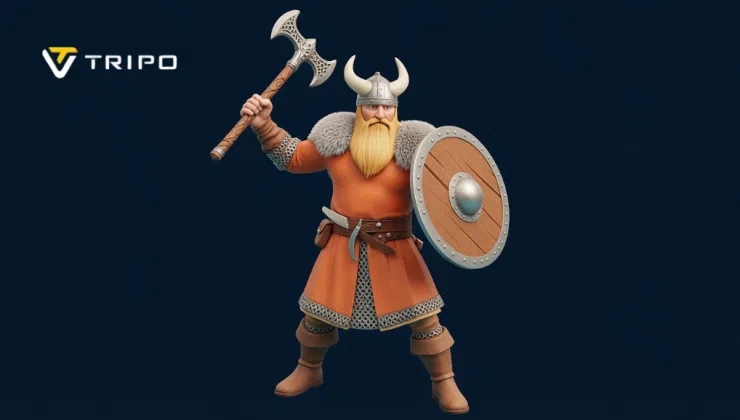
Realistic 3D assets are becoming more and more sought after in the digital industries. Detailed assets are needed for gaming, animation, AR, VR, and visualization. The realism of any scene is greatly affected by the quality of the textures. Today, AI products such as Tripo 3D can be used in modern workflows to create 3D asset/textures. These systems make the complex modeling and texturing tasks easier. Production-oriented assets are delivered in minutes using AI-powered pipelines. 8K Textured Outputs offer more detail in materials. This change enables creators to create more immersive visuals with efficiency and consistency. Nowadays, pipelines are efficient and reduce the concept-to-final-asset time.
Understanding the Importance of 8K Textures in Modern 3D Design
8K textures are high-resolution image maps that are used to texture 3D surfaces. They are used to enhance the clarity and realism of digital assets. The lower the resolution of the texture, the blurrier it will be when magnified. Maps with high resolution have details at various scales. The use of geometry, materials, and textures is what makes realism a reality. The surface shading is dependent on correct texture mapping. Digital textures are based on real-world materials. When consistency across surfaces is maintained, you will experience no artifacts. The high-resolution assets can well support cinematic and interactive applications. Modern engines place a high importance on texture fidelity for realistic results. The use of UV mapping helps artists to make sure that the highest resolution is applied to each surface. In many cases, better textures mean a need for less geometry.
How AI 3D Model Generators Create Realistic Assets
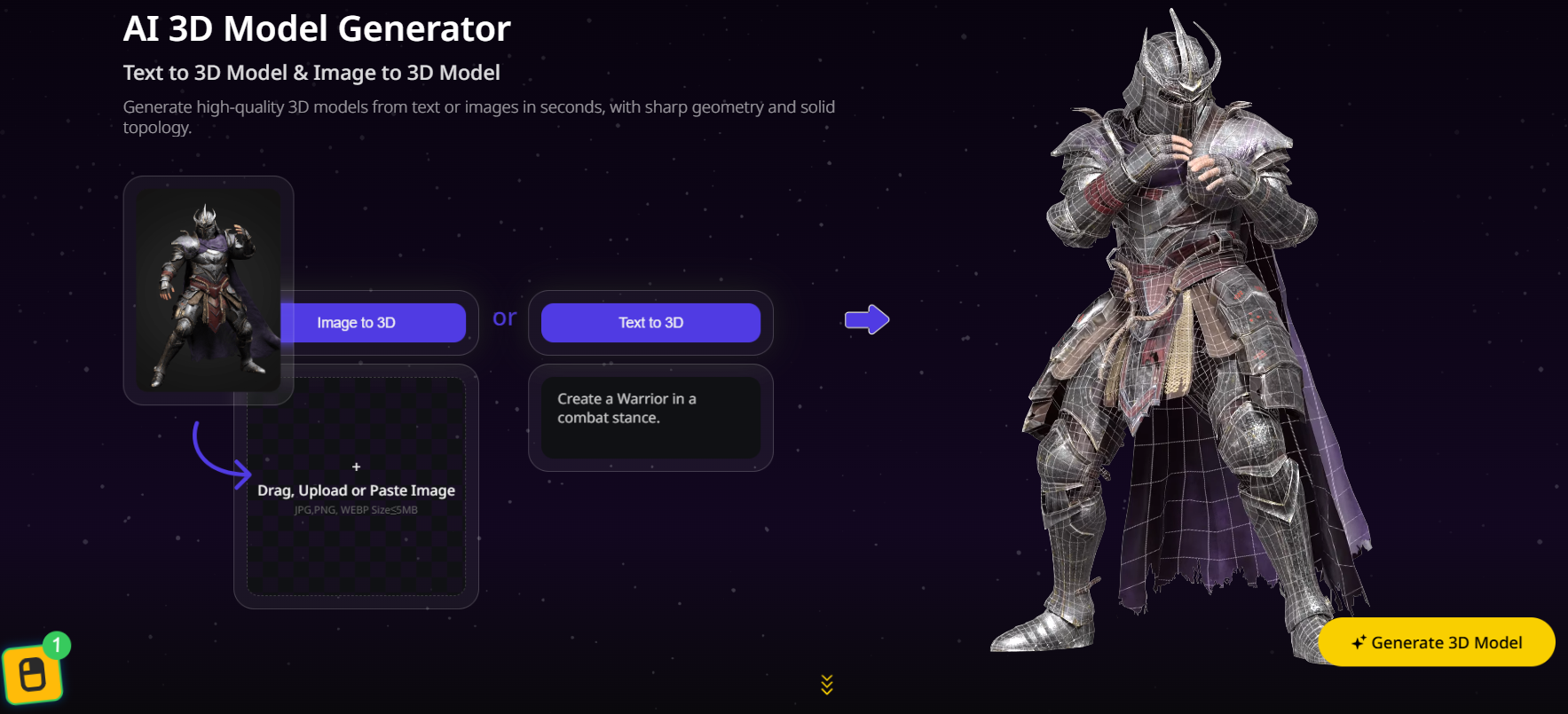
The AI systems translate the user inputs into structured 3D representations. They understand instructions, sketches, and pictures when making models. The AI 3d model generator is able to process geometry and texture at the same time. Generates the correct proportions and material details in meshes. These systems also help to adjust surface depth and lighting response. With automation, the number of manual modeling tasks is reduced to a minimum. Structurally accurate outputs keep production pipelines running smoothly. Designers enjoy quicker iteration and uniformity of quality of assets. Additional improvements to the procedural system also help to better simulate materials in complex scenes.
Core Features in Tripo 3D That Improve Realism
Tripo 3D provides state-of-the-art asset production solutions for automation. It features textual prompts, sketches, and image-based inputs. The image-to-3D pipeline is used for the reconstruction of depth and geometry from visuals. The image to 3d workflow results in the correct interpretation of space. Maintains proportions and detail of surface. Effective use of realistic materials with AI. Support for enhanced surface interactions with light using PBR. Quickly edit and export to production topology. Feedback in real-time enables quick iteration in the process of asset refinement—lighting simulation for a more realistic final render. The seamless transfer of engines from one platform to the other is provided by asset compatibility. You will get consistent detail preservation with cinematic quality outputs.
Key Elements That Make 8K Textures Look Authentic
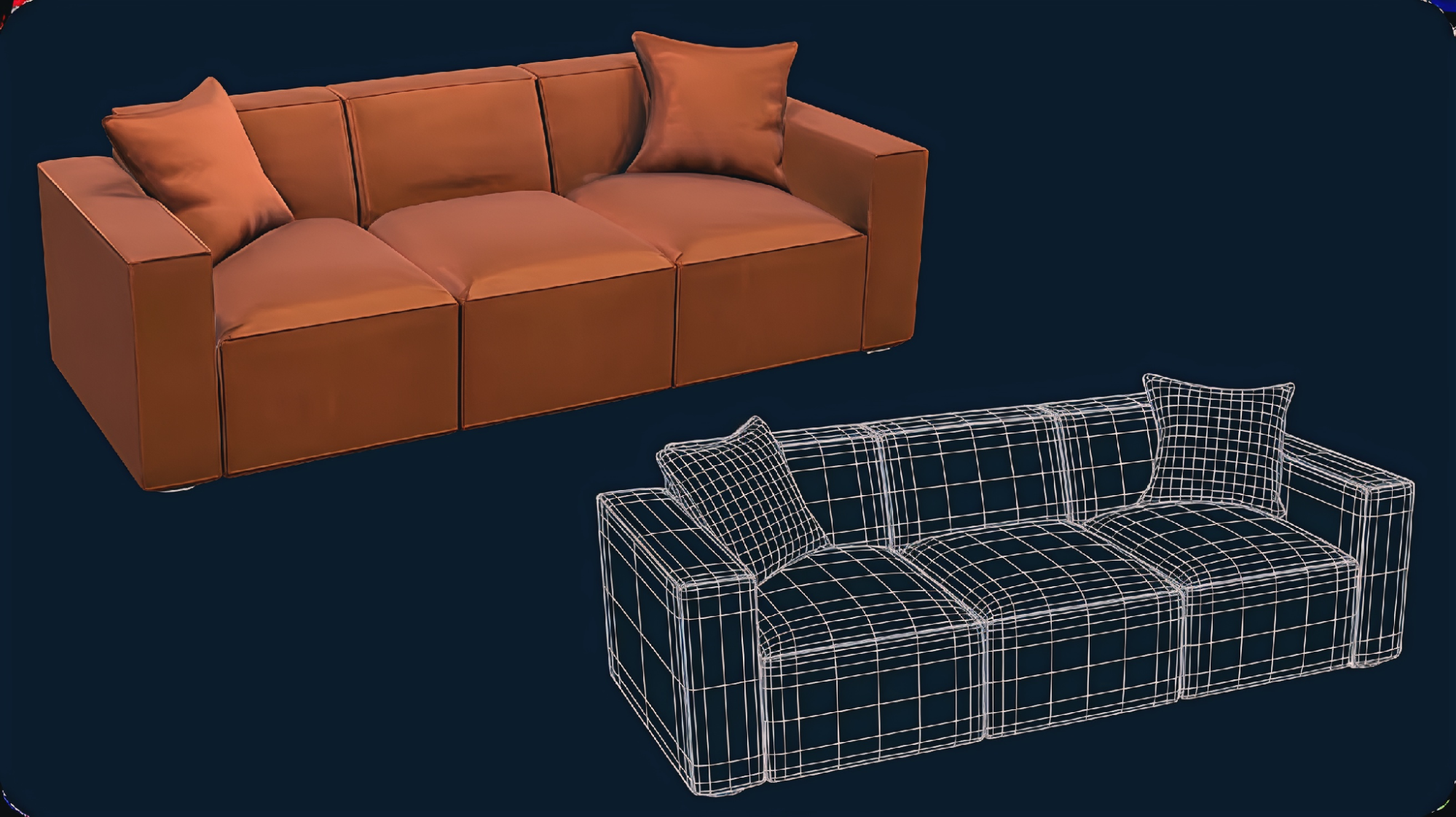
- Surface Micro Details: Small details that enhance the depth and natural aging.
- Material Consistency: Consistency of material behavior to avoid mismatching of surface appearance.
- Physically based rendering (PBR) for a more accurate reflection.
- Color Variation: There are slight tonal variations, which would prevent visual flatness.
- Edge Definition: Transitions that are clear for structural readability.
- Texture Resolution: The higher the pixel density, the finer the details will be captured.
- Shading: Natural shading that brings realism.
- Surface Aging: Wear patterns give authenticity to materials.
- UV Optimization: UVs optimized for efficient use and better texture sharpness.
- Detail Balance: A balanced detail keeps things from becoming overloaded.
Steps to generate 8K textured assets through an AI 3D model generator for realism
Step 1: Realistic Asset Setup and Input Selection
1. First access Tripo 3D and complete the signup. Then open the “Model” tab from the left vertical menu bar.
2. Inside it, choose the “HD Model” option. You can generate a model using a text prompt or an image upload.
3. Drag and drop your image into the upload area or use the “Upload” tab to select it from your device.
4. If no image is available, switch to “Text to model” and describe your idea clearly to generate from text.
Step 2: 8K Texture Configuration and Rendering Controls
1. In “General settings”, enable “AI complete” if you want full automatic generation.
2. Turn on texture settings and select “Texture Quality” like 2K, 8K, or 8K for high realism.
3. Enable “PBR” to get physically accurate material reflections and surface response.
4. Choose a mesh structure using “Quad” or “Triangle” topology.
5. Adjust custom polycount based on detail needs.
6. Select model version such as v3.1 best quality, v3.0 fast and balanced, or v2.5 legacy.
7. If available as a member, activate “Generate in Parts”, “8K Texture”, and “Privacy” options.
8. Click “Generate Model” to start processing.
Step 3: Realism Enhancement and Export Workflow
1. Preview your model using “Solid View”, “Cartoon Style”, “Sketch Style”, “Hologram Style”, or “Unlit” modes.
2. Use “Refine” to improve surface detail and realism.
3. Adjust “Environment Settings” and reposition the camera via “Reset Camera” for better inspection.
4. For final output, click “Export”, then choose resolution, format, and file name before exporting to your device.
Optimizing AI-Generated Assets for Rendering Pipelines
For smooth integration into real-time engines, AI-generated assets need to be optimized. Balancing ensures performance and quality for platforms. Geometry refinement is the process of reducing the unnecessary complexity of polygeons. Texture compression is used to control memory usage during rendering efficiently. The export formats are used to enable interoperability among different software pipelines. This text to 3d model workflow allows for a fast creation of assets with structure output. Optimization is always a process that is ongoing in a large production environment. LOD systems are used to maintain performance at varying distances. The use of efficient baking methods cuts rendering expenses by a great deal. In the long run, asset re-use strategies increase production efficiency—optimized rendering with engine-specific tuning. Support for cross-platform provides the same asset behavior across all platforms. Optimization tools to ensure visual fidelity is maintained within constraints. More sophisticated caching for quicker rendering in complicated scenes.
Applications of 8K Textured AI Models Across Industries
The 8K textured AI models are utilized efficiently across multiple industries. Gaming studios rely on them to rapidly create and test out assets. Characters and environments play a crucial role in animation and film. Optimized and lightweight models are required to make AR/VR experiences. Product design teams breathe life into product ideas. Architecture workflows help to bring plans to life as a spatial environment. Realistic assets are used to create compelling digital campaigns by marketing teams. Created 3D assets that seamlessly integrate with simulation tools. On learning platforms, models are applied for interactive learning experiences. E-commerce platforms leverage the use of 3D assets to provide a more comprehensive visualization of their products. Virtual real estate staging is a great way to enhance real estate presentations—optimized pipelines to support real-time engines. AI tools assist creative teams in speeding up workflows. Scalable asset systems are used for large production environments.
Conclusion
AI-powered workflows revolutionize 3D asset creation, doing so in a rapid and precise manner. In the realm of gaming, visualisation and film, 8K textures provide a greater level of realism. On the other hand, modeling, texturing, and exporting are easier on platforms like Tripo 3D. High-quality assets will save production time and improve consistency. Pipelines are automated and intelligently generated these days. Creators of any level can start producing realistic content. AI tools are continuously improved to cater to the creative industries. Additional features of automation will be added to future pipelines. Creators are provided with streamlined workflows and reduced manual tasks.