How do Electricians Improve Outlet Safety in Residential and Commercial Spaces?
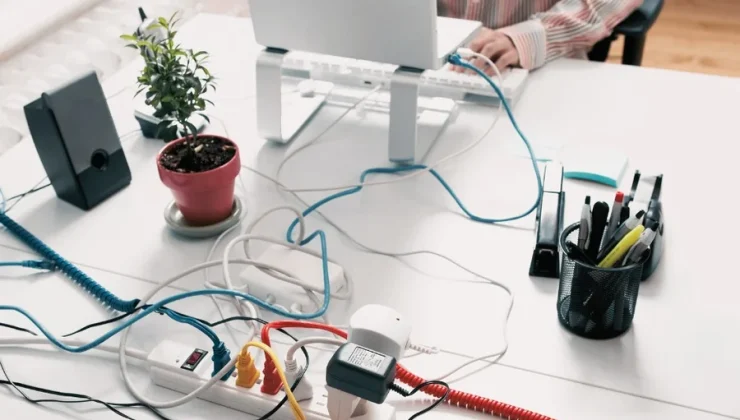
Electrical outlets are among the most frequently used components in any building, yet they are often overlooked until a problem arises. Over time, wear, outdated wiring practices, and increased electrical demand can make outlets a safety risk. Loose connections, overheating, improper grounding, and outdated designs all pose hazards. Electricians play a key role in identifying and correcting these issues before they lead to damage or injury. Understanding how electricians enhance outlet safety underscores the importance of professional assessment, proper installation, and ongoing maintenance of electrical systems that support modern living and work environments.
Understanding Outlet-Related Risks
-
Why Outlets Become Safety Concerns Over Time
Outlets are exposed to constant use, which gradually affects their internal components. Repeated plugging and unplugging can loosen contacts, reducing the grip on electrical prongs and increasing resistance. This resistance generates heat, which may damage wiring insulation or outlet housings. Older buildings may also have outlets installed under outdated standards that no longer meet current safety expectations. Electricians recognize these risks by inspecting outlet condition, checking for heat buildup, and identifying signs of internal wear. In many properties, especially where usage has increased due to modern electronics, proactive evaluation by electricians in Frisco, TX, helps reduce the risk of electrical faults associated with aging outlets.
-
Small Fixes Prevent Bigger Problems
Addressing minor outlet issues early helps prevent overheating, arcing, and wiring damage. Timely intervention helps ensure safer electrical flow and reduces the risk of more serious system failures.
-
Improving Grounding and Electrical Stability
Proper grounding is essential for outlet safety, yet many older systems lack adequate grounding paths. Grounding provides a safe route for excess electrical energy, reducing the risk of shock or equipment damage. Electricians evaluate grounding connections during outlet inspections to ensure current flows as intended. When grounding is insufficient or missing, electricians correct the issue by updating wiring configurations or installing appropriate grounding components. Improved grounding stabilizes electrical flow, protects connected devices, and reduces the risk of electrical shock. This process strengthens the electrical system’s overall reliability and enhances outlet safety.
-
Upgrading Outlets for Modern Electrical Demand
Electrical demand has increased significantly due to the use of appliances, chargers, and electronic devices. Older outlets were not designed to support this level of use. Electricians improve safety by replacing outdated outlets with modern designs that handle higher loads more effectively. These upgrades reduce stress on the wiring and minimize the risk of overheating. Modern outlets also feature improved materials and tighter connections that maintain performance over time. By aligning outlet capacity with actual usage, electricians help ensure systems operate within safe limits, reducing strain on both outlets and connected circuits.
-
Addressing Loose and Damaged Connections
Loose wiring behind outlets is a common but hidden safety concern. Over time, vibrations, thermal expansion, and installation flaws can loosen terminal connections. Loose connections create resistance and increase heat, which can lead to arcing or fire risks. Electricians correct these issues by tightening connections, replacing damaged wires, and securing outlets properly within electrical boxes. This attention to detail restores consistent electrical flow and reduces heat buildup. Addressing connection integrity is a critical step in improving outlet safety and maintaining long-term system stability.
-
Enhancing Protection in High-Risk Areas
Certain areas, such as kitchens, bathrooms, and outdoor spaces, present higher electrical risks due to moisture exposure. Electricians enhance outlet safety in these locations by installing outlets that respond quickly to unsafe conditions. These outlets help interrupt power when irregularities occur, reducing the chance of shock. Proper placement and installation ensure that moisture does not compromise electrical connections. By tailoring outlet solutions to environmental conditions, electricians reduce risk while maintaining convenient access to power.
-
Preventing Overloading and Improper Use
Overloaded outlets are a frequent cause of electrical issues. Plugging multiple high-demand devices into a single outlet can exceed its capacity, leading to overheating. Electricians help prevent overloading by assessing circuit distribution and recommending adjustments that balance electrical demand. This may involve installing additional outlets or redistributing circuits to reduce strain. Educating property owners about safe usage patterns also supports long-term safety. These measures ensure outlets operate within their intended limits, reducing the likelihood of damage or failure.
-
Inspection and Ongoing Maintenance Practices
Outlet safety is not a one-time concern; it requires periodic evaluation. Electricians conduct inspections to identify early signs of wear, discoloration, or abnormal operation. These inspections help catch issues before they escalate into hazards. Routine maintenance supports consistent performance and reduces unexpected electrical problems. Incorporating outlet checks into broader electrical maintenance plans ensures safety keeps pace with changing usage patterns. Ongoing attention reinforces reliability and protects both people and property.
-
Supporting Safer Living and Working Environments
Improved outlet safety directly affects comfort and confidence in daily environments. When outlets function correctly, occupants can use electrical devices without concern for overheating or shock. Electricians contribute to safer spaces by ensuring outlets meet current standards and perform reliably. This proactive approach supports productivity, convenience, and peace of mind across residential and commercial settings. Safe outlets form the foundation of dependable electrical systems that meet modern demands.
Electricians play an essential role in improving outlet safety by addressing wear, grounding, capacity, and environmental risks. Through careful inspection, upgrades, and connection improvements, they reduce hazards associated with everyday electrical use. Outlet safety supports not only reliable power delivery but also the protection of people and property. Understanding how electricians enhance outlet performance highlights the value of proactive electrical care and reinforces the importance of maintaining systems that safely support modern lifestyles.