What Defines a Rising Star in Racing?
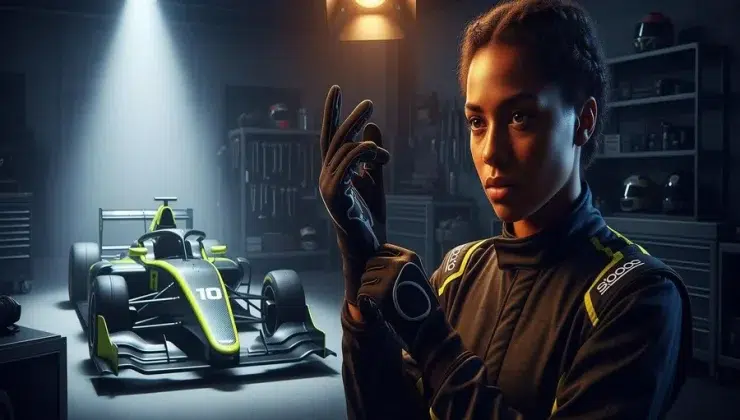
In motorsports, the label “rising star” means more than quick lap times or a few flashy results. It points to a mix of natural skill, steady temperament, and clear promise that hints at big wins ahead.
These racers grab attention early. People talk about them in paddocks and online, watching for signs that they could become the next big name.
The path from junior hopeful to proven champion is full of tests, and those tests shape winners. From horse racing to Formula 1, fresh talents appear across many series, each bringing their own style and strengths.
Key Characteristics of Emerging Racing Talents
What sets these young racers apart?
- Strong car or bike control and sharp racecraft
- Quick learning after mistakes
- Calm under pressure and clear thinking in tough moments
- Fitness, focus, and steady habits
- Work ethic and a strong push to win
Take Andrea Kimi Antonelli in Formula 1. Despite his age, he has shown rapid growth, level-headed race management, and history-making results in his first race: second-youngest to score points, youngest to lead a race, and youngest to set the fastest lap.
Oliver Bearman has also impressed, stepping into F1 with Ferrari for a debut P7 and now showing poise and speed with Haas. These traits point to long-term success.
How Rising Stars Are Identified by Teams and Fans
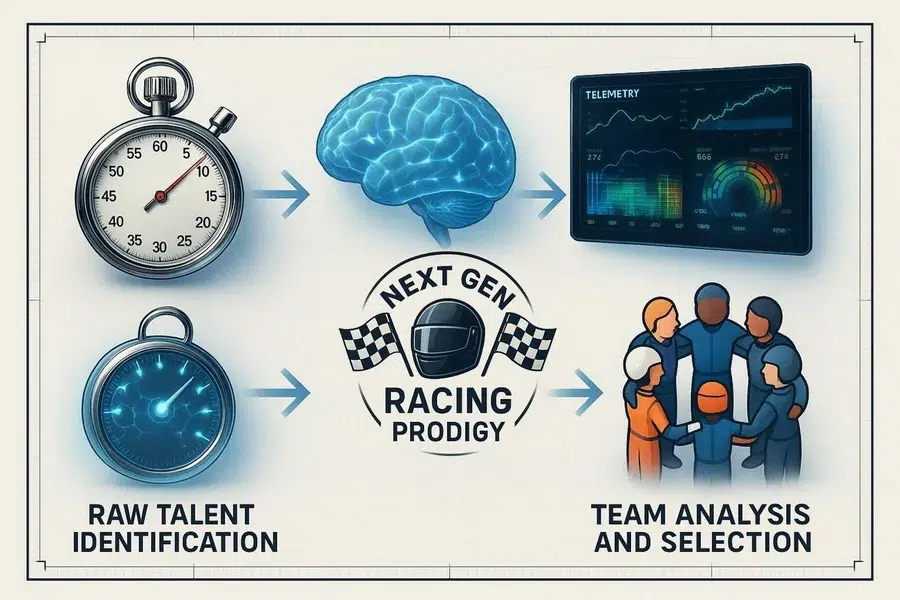
Spotting future stars blends data and human judgment.
- Teams look at lap times, consistency, race runs in junior series, simulator results, and feedback quality.
- They check adaptability to new cars and tracks and how well a driver works with engineers.
- Scouts also factor in mindset, fitness, and how a driver handles pressure.
Fans love surprises. Early upsets and shock podiums bring real excitement. In horse racing, events like the Breeders’ Cup Juvenile showcase two-year-olds with standout early form that may point to later glory. That mix of raw ability and promise draws both hardcore analysts and casual viewers.
Want to cheer for a young F1 name? Official gear like Alex Albon merch & apparel is one easy way to show support.
Why Are Rising Stars Shaping the Next Generation of Racing Legends?
Young drivers change the face of motorsports. They bring fresh methods, new energy, and bold moves that raise the level for everyone. They do more than fill a grid slot-they reset standards for speed, strategy, and fan connection.
The Influence of Youth in Modern Motorsports
Young racers are often fearless and quick to adapt. Many grew up on simulators and data tools, so they read telemetry fast and work well with engineers. This helps them push limits and squeeze more pace from their cars.
Their impact also nudges seasoned racers to raise their game, which makes racing tighter and more fun to watch.
They also speak the language of social media. By sharing training, travel, and behind-the-scenes moments, they connect with fans worldwide and help grow the sport. Their stories pull in younger audiences who see a bit of themselves in these drivers.
Unpredictability and Excitement Brought by New Talent
Fresh faces bring plot twists. When a lesser-known driver starts challenging big names, every session feels more intense. That underdog energy keeps racing lively and stops it from feeling routine.
Michael d’Orlando’s run in INDY NXT shows this well. Despite money setbacks, he returned with strong drives, including a nine-place gain and the Josten’s Biggest Mover Award at the BITNILE.COM Grand Prix of Portland after a practice crash. Moments like these spark conversation and make fans hungry for the next round.
Which Racing Series and Disciplines Produce Tomorrow’s Legends?
Most racers climb through a ladder system. Each step adds new skills, from sprint speed to tire care and teamwork. Whether single-seaters or stock cars, all paths aim to find and grow standout talent.
Formula Series: F2, F3, and Beyond
For future F1 drivers, the path often starts with karting, then moves to F4, F3, and Formula 2 (F2). In F3 and F2, cars are similar, so pure skill matters most. Strong seasons, title fights, and clean racecraft catch F1 eyes.
Andrea Kimi Antonelli rose fast, jumping past F3 and shining in F2 before joining Mercedes in F1. Gabriel Bortoleto won the F3 title in 2023 and then the F2 title as a rookie the next year, taking both Year and Rookie Best Driver awards. These steps show how steady pace, smart feedback, and race smarts open doors to the top tier.
IndyCar and American Racing Pathways
In the U.S., the Road to Indy-USF2000, USF Pro 2000, and INDY NXT by Firestone-builds open-wheel talent for IndyCar. Michael d’Orlando, the 2022 USF2000 champion, moved through this ladder with frequent top-four runs and a strong return to INDY NXT after funding trouble.
Outside open-wheel, U.S. Legend Cars International (USLCI) shapes future NASCAR stars. These 5/8-scale, full-fendered cars with 140 hp teach throttle control and car feel. Over a third of NASCAR Premier Series drivers came through USLCI, including Kyle Busch and Chase Elliott, showing how grassroots series feed top levels.
GT and Touring Car Rising Stars
GT and touring cars need different strengths. Drivers must manage tires, share cars, and handle heavier machines over long stints. Many start in national GT or regional touring series, then move up to the GT World Challenge or the World Touring Car Cup. Stepping up takes speed plus patience, teamwork, and mechanical sympathy-skills that help across sports car racing.
Sim Racing as a Launchpad for Future Championships
Sim racing now feeds real racing. What began as a hobby has become a real training path, with esports drivers showing skills that carry over to real tracks. Careful setup work, race strategy, and fast data reading all matter.
Pro teams scout sim talent because it widens the field beyond those with big budgets, opening doors based on skill.
Who Are Today’s Standout Rising Stars in Racing?
Many young names are making waves across different series. They are putting up strong results again and again, pointing to long runs at the top.
Profiles of Promising Drivers to Watch
In F1, Andrea Kimi Antonelli, just 19, jumped straight into a Mercedes seat and set records in his debut for youngest points scorer, youngest race leader, and youngest fastest lap. His calm head and fast learning curve hint at a big future.
Oliver Bearman, a Ferrari Driver Academy graduate, won in F4 and F2, then scored P7 for Ferrari in his 2024 debut. In his first full year with Haas, he keeps showing control and speed. Gabriel Bortoleto, a Brazilian F3 and F2 champion, is known for sharp feedback and racecraft and now teams with Nico Hülkenberg at Sauber.
In American open-wheel racing, Michael d’Orlando stands out. The 2022 USF2000 champion has posted strong results across the Road to Indy ladder and returned to INDY NXT with support from Rising Star Racing.
In horse racing, Thoroughbred Daily News awards “TDN Rising Star” tags based on race results, pedigree, and sales price. The Big Con (Ire), Pathein (Ire), and On Time Girl are recent names with high expectations.
| Racer | Series | Key Milestones |
| Andrea Kimi Antonelli | F1 | Youngest to lead a race and set fastest lap; points on debut |
| Oliver Bearman | F1 | P7 for Ferrari on debut; steady rookie year with Haas |
| Gabriel Bortoleto | F2 | F3 champ (2023); F2 title as a rookie; Year and Rookie Best Driver awards |
| Michael d’Orlando | INDY NXT | USF2000 champ (2022); Biggest Mover award at Portland |
Top Teams Backing the Next Generation
Top programs lift young talent. The Ferrari Driver Academy (home to Bearman) and Mercedes’ junior program (supporting Antonelli) offer funding, elite coaching, simulator time, and engineering help. That mix speeds up development and builds complete athletes.
In IndyCar, Rising Star Racing, founded by Art Wilmes, helps American drivers reach the NTT IndyCar Series. Their support for Michael d’Orlando, with partner Simplify, shows how sponsorship groups and teams work together to move careers forward.
Recent Success Stories and Breakthrough Moments
Big moments turn prospects into names everyone knows. Antonelli’s first F1 race brought points and laps led-clear proof of pace under pressure. Bearman’s P7 for Ferrari in Saudi Arabia at his first F1 start was another statement result.
In horse racing, the 2023 Breeders’ Cup Juvenile featured horses like Locked, Timberlake, Prince of Monaco, Muth, and The Wine Steward. Locked entered as a favorite after winning the Claiborne Breeders Futurity (G1). Early wins in major races can launch a young horse into the spotlight and build a loyal fan base.
What Challenges and Pressures Do Young Racers Face?
The road is hard. Young racers deal with money issues, time pressure, long travel, and public attention-all while trying to climb fast.
Financial Hurdles and Sponsorship Barriers
Racing is expensive from day one. Karts, equipment, travel, entry fees, and testing stack up quickly. Many careers stop due to costs, not lack of speed. Michael d’Orlando ran seven races in 2024 before funding paused his season. Finding sponsors takes networking, clear marketing, and steady results to keep support coming.
Balancing Education, Travel, and Racing Commitments
For young drivers, racing is a full-time effort. School, training, and constant trips to races are hard to juggle. Many choose online classes or homeschooling. The trade-off brings discipline but also social and mental strain.
Handling Media Attention and Social Expectations
As results improve, the spotlight gets brighter. Every quote and post can spread fast. That adds pressure to perform and to speak well in public. Many young racers start media coaching early to stay calm and clear while they build their careers.
How Are Future Racing Legends Developed and Supported?
Turning raw skill into a long career needs structure and steady backing from teams, programs, and mentors who invest time and resources.
Role of Driver Academies and Development Programs
Driver academies power today’s talent pipelines. The Ferrari Driver Academy and the Mercedes junior program scout, train, and support young racers through the ladder. They provide funding, top simulators, fitness plans, and mental coaching.
Drivers learn setup work, technical feedback, media skills, and race prep. Jack Doohan’s rise through the Alpine academy shows how this model builds strong careers.
Importance of Mentorship from Established Champions
Guidance from proven winners matters. Mentors share advice on race strategy, pressure, team dynamics, and media handling. They also help shape the mindset and habits that last a lifetime. This bridge between generations passes down lessons you cannot get from data alone.
Technological Advancements and Data-Driven Training
Modern training leans on tech. Simulators let young drivers learn tracks, test setups, and gather data safely and at lower cost. Engineers and drivers review telemetry from sims and real runs to spot gains and polish race plans.
With better coaching methods and more data, teams help drivers grow faster and more reliably.
What Does the Future Hold for the Next Generation of Racing Legends?
Motorsports keeps moving with new tech, fresh ways to reach fans, and faster machines. The next wave of stars will shape that change and ride it at the same time.
Trends Shaping the Talent Pipeline
- Sim racing will keep opening doors for skilled drivers with smaller budgets.
- Green tech will spread, and young racers will learn hybrid and electric systems early.
- Academies will train full-scope athletes: speed, mindset, media, and business skills.
- Data tools, AI, and machine learning will help spot talent sooner and build smarter training plans.
These shifts point to a wider pool of candidates, tougher fights for seats, and faster growth for those who make the most of these tools.
Potential Impact on Global Motorsports
New stars from many backgrounds will bring fresh stories and attract broader audiences. As they grow, they will push tech forward, shape how teams think, and draw more people to the tracks and streams.
Also, the pressure from young talent will push engineers and teams to keep improving cars and strategy. That means closer racing and more drama across full seasons. The next generation will win big-and help steer motorsports to a bright, exciting future.