Why Self-cleaning Litter Boxes Are Essential For New Cat Owners?
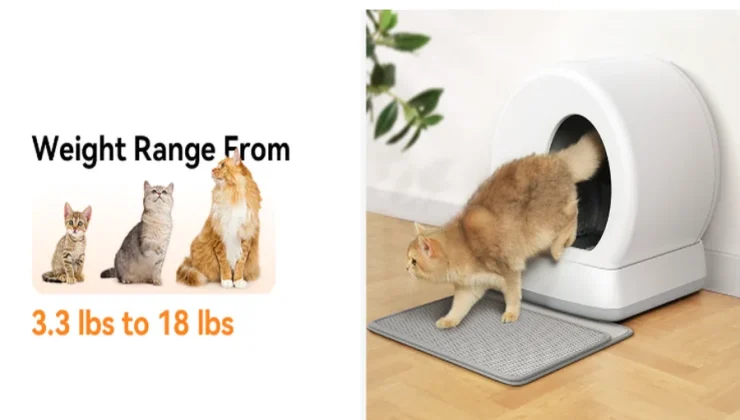
Bringing a new cat home is an exciting yet overwhelming experience. Among the many responsibilities new cat owners face, managing the litter box often emerges as one of the most challenging aspects. The daily routine of scooping waste, controlling unpleasant odors, and maintaining proper hygiene can quickly become a source of stress and frustration. Traditional litter boxes for cats demand constant attention and physical effort, leading many new owners to wonder if there’s a better way. Enter self-cleaning litter boxes a technological innovation that’s revolutionizing cat care. These smart devices automate the most demanding aspects of litter box maintenance, offering a solution that benefits both cats and their owners. In this article, we’ll explore why self-cleaning litter boxes have become essential tools for new cat owners, making the transition to pet parenthood smoother and more enjoyable.
The Litter Box Struggle: Why Traditional Options Fail New Owners
Traditional litter boxes present significant challenges that can quickly overwhelm new cat owners. The daily scooping routine, typically recommended twice per day, becomes a time-consuming obligation that conflicts with busy modern lifestyles. In small apartments or homes, managing odors becomes particularly challenging as traditional boxes often lack effective containment systems, allowing unpleasant smells to permeate living spaces. When maintenance falls behind due to time constraints or physical limitations, serious consequences emerge. Improper cleaning can lead to bacterial growth, increasing health risks for both cats and humans. Cats may develop litter box avoidance behaviors, choosing inappropriate places for elimination when their boxes become too dirty. This creates a frustrating cycle where new owners struggle to maintain cleanliness standards while dealing with resulting behavioral issues, making the initial months of cat ownership unnecessarily stressful and demanding.
Self-Cleaning Revolution: How Automated Boxes Solve Core Problems
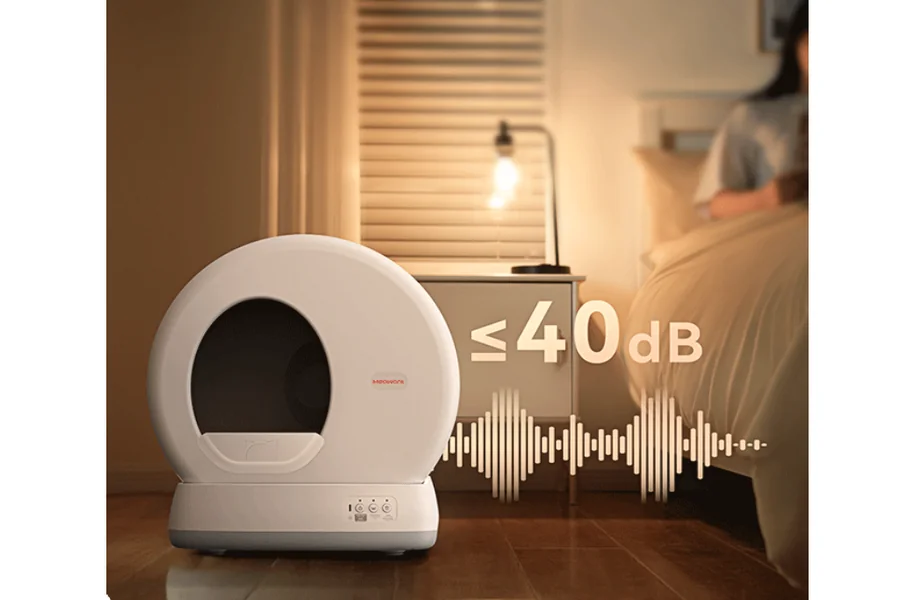
Self-cleaning litter boxes represent a technological leap forward in pet care, utilizing sophisticated automation to address the fundamental challenges of waste management. Leading brands like Meowant have pioneered systems that employ motion and weight sensors to detect when your cat uses the box, triggering a cleaning cycle after a preset waiting period. The automated cleaning mechanism typically consists of a rake or sifting system that separates waste from clean litter, depositing clumps into a sealed waste compartment. This systematic approach eliminates the need for daily scooping, transforming what was once a demanding manual task into an effortless automated process. Advanced models feature precision-engineered raking patterns that ensure thorough waste removal while minimizing litter waste. The sealed waste compartments incorporate activated carbon filters and other odor-blocking technologies, creating multiple barriers against unpleasant smells. For busy cat owners, this automation translates to significant time savings – instead of daily scooping, maintenance primarily involves emptying the waste drawer weekly and occasional litter replenishment. The consistent cleaning schedule maintained by these devices ensures the litter box remains fresh and inviting for cats, promoting proper litter box habits and reducing the likelihood of accidents outside the box.
Self-Cleaning vs Traditional Litter Box: Key Differences Decoded
When comparing self-cleaning and traditional litter boxes, the distinctions become immediately apparent in daily use. Traditional boxes require 10-15 minutes of hands-on maintenance daily, while automated systems reduce this to just 5-10 minutes weekly for waste drawer emptying. Odor control performance varies significantly – traditional boxes rely solely on litter properties and frequent scooping, whereas self-cleaning units employ multiple layers of defense including sealed compartments, carbon filtration, and immediate waste separation. While the initial investment in self-cleaning boxes is higher, ranging from $200-600, they often prove more economical long-term by reducing litter waste up to 50% through precise sifting mechanisms. Space requirements remain similar, though self-cleaning units typically need electrical outlets nearby. Setup complexity differs notably traditional boxes require only litter placement, while automated systems need initial programming and occasional part maintenance. Cat acceptance patterns show that most felines adapt within 1-2 weeks to self-cleaning boxes, particularly when introduced gradually with familiar litter types and positive reinforcement.
Critical Benefits You Can’t Ignore as a New Owner
Consistent Cleanliness Without Daily Effort
Self-cleaning litter boxes maintain pristine conditions through automated waste removal cycles that activate minutes after your cat exits. This systematic approach eliminates the need to remember daily scooping schedules, while minimizing direct contact with waste materials – a significant health benefit for pregnant women and immunocompromised individuals. The consistent cleaning schedule prevents waste accumulation that often leads to box avoidance, effectively stopping unwanted behaviors before they start.
Advanced Odor Control Technology
These devices employ multi-layered odor management systems that far surpass traditional boxes. The sealed waste compartments use airtight designs to trap odors, while integrated carbon filtration systems actively neutralize ammonia and other unpleasant scents. The immediate separation of waste from clean litter prevents the compound odor effect common in traditional boxes, keeping your home fresh even in compact spaces.
Health Monitoring Capabilities
Modern self-cleaning boxes include sophisticated monitoring features that track your cat’s bathroom habits. These systems record usage frequency, waste volume, and timing patterns, creating baseline data for your pet’s normal behavior. Changes in these patterns can alert you to potential health issues like urinary tract infections or digestive problems before visible symptoms appear, enabling proactive veterinary care when needed.
Optimizing for Multi-Cat Homes: Litter Box Solutions for Multiple Cats
Managing litter boxes in multi-cat households requires careful planning and strategic implementation. The general rule of thumb suggests maintaining one box per cat plus an extra, ensuring each feline has sufficient access to clean facilities. For homes with multiple cats, self-cleaning litter boxes need robust capacity to handle increased usage – look for models rated for multiple-cat households with larger waste compartments that can accommodate 2-3 days of multi-cat waste. Strategic placement becomes crucial in preventing territorial disputes; position boxes in different areas of the home, avoiding dead ends or confined spaces where cats might feel trapped. Consider placing units on different floors for multi-level homes, ensuring easy access while respecting cats’ natural territorial behaviors. High-traffic models with reinforced raking mechanisms and durable construction materials better withstand frequent use, while enhanced odor control features become especially vital with multiple cats sharing facilities. This thoughtful approach to box placement and capacity planning helps maintain harmony in multi-cat households while maximizing the effectiveness of self-cleaning technology.
How to Set Automatic Cleaning Schedule Like a Pro
Step-by-Step Programming Guide
Accessing your self-cleaning litter box’s control panel typically involves locating the digital interface on the unit’s exterior. Begin by pressing and holding the settings button until you enter programming mode. Navigate through the menu to find the cleaning schedule options, where you can set specific intervals ranging from 5 to 60 minutes after cat detection. Most units allow you to choose between automatic sensing mode, which initiates cleaning cycles based on cat detection, or timed mode for predetermined cleaning schedules.
Smart Customization for Your Routine
To optimize your cleaning schedule, align cleaning cycles with your daily routine. Program quiet hours during sleep times by setting the unit to delay cleaning between 10 PM and 7 AM. For multiple cats, configure shorter intervals between cleaning cycles, typically 15-20 minutes, to maintain box freshness. Consider setting manual cleaning cycles before leaving for work and upon returning home to ensure maximum odor control during your absence. Fine-tune rake delay settings based on your cat’s litter-covering habits – longer delays work better for cats who spend more time covering their waste.
Essential Cat Litter Box Tips for First-Time Users
Setting up your self-cleaning litter box correctly from the start ensures optimal performance and cat acceptance. Place the unit in a quiet, accessible location away from food and water bowls, ideally in a low-traffic area that offers privacy while remaining easily accessible. Choose clumping litter specifically recommended for your automated system, as regular clay litter may interfere with the cleaning mechanism. When transitioning from a traditional box, gradually introduce your cat by placing the new unit next to the old one, maintaining both until your pet consistently uses the automated box. Keep the old litter type initially, then slowly mix in the recommended litter over several days. Perform monthly deep cleaning by disassembling washable components, thoroughly cleaning with pet-safe disinfectant, and ensuring all parts are completely dry before reassembly. If your cat shows hesitation, try temporarily disabling the automatic cleaning function for a few days, then gradually reactivate it starting with longer delay times. Common issues like unusual noises or incomplete cleaning cycles typically resolve by checking for litter level, ensuring proper power connection, and confirming the waste drawer isn’t full.
Transforming Cat Care Through Smart Technology
Self-cleaning litter boxes have revolutionized cat care by addressing the fundamental challenges that often overwhelm new pet owners. These innovative devices deliver unprecedented time savings through automated waste removal, eliminating the burden of daily scooping routines. Their sophisticated odor control systems, featuring sealed compartments and advanced filtration, maintain a fresh-smelling home environment without constant intervention. Perhaps most importantly, the health monitoring capabilities provide peace of mind by tracking your cat’s bathroom habits and alerting you to potential health issues early. For new cat owners, investing in a self-cleaning litter box isn’t just about convenience it’s about creating a foundation for successful, long-term pet ownership. By embracing this technology, you’re not only making daily care more manageable but also ensuring a healthier, more hygienic environment for both you and your feline companion. As the pet care industry continues to evolve, self-cleaning litter boxes stand out as an essential tool that transforms one of cat ownership’s biggest challenges into a seamless, stress-free experience.