How Much Does an Inground Pool Really Cost in 2025?
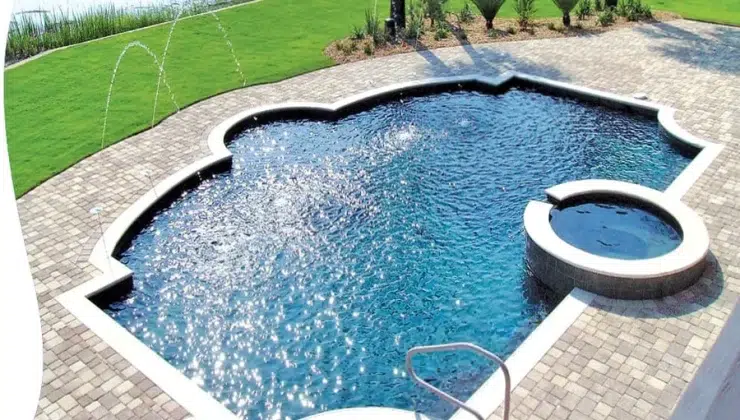
Dreaming of your own backyard oasis? You’re not alone. With more homeowners looking to create personalized outdoor spaces, inground pools remain one of the most sought-after upgrades. But before you start imagining summer parties and evening swims, it’s worth asking: how much does an inground pool cost in 2025? Prices vary widely depending on design, materials, and location—but having realistic expectations from the start can help you plan your project smartly.
Average Costs in 2025
In 2025, the average cost to install an inground pool in the U.S. ranges from $45,000 to $85,000, with luxury or custom designs reaching well over $150,000. This broad range exists because pool projects aren’t one-size-fits-all. Everything from soil type to shape to features like lighting or water features can influence the final number. Fiberglass pools tend to fall on the lower end, while gunite (concrete) pools typically come with a higher price tag due to their durability and design flexibility.
Breaking Down the Materials: Concrete, Vinyl, and Fiberglass
The material you choose has one of the biggest impacts on total cost:
- Concrete pools offer custom shapes and long lifespans but often cost between $70,000 and $120,000. They also take longer to install and require resurfacing every 10–15 years.
- Vinyl liner pools are the most affordable option, averaging $45,000 to $65,000, but the liners typically need replacing every 7–10 years.
- Fiberglass pools strike a balance between cost and low maintenance, with prices averaging $55,000 to $80,000. These are pre-molded shells, which speeds up installation and reduces long-term upkeep.
Choosing the right material depends on your budget, timeline, and how much maintenance you’re willing to handle down the road.
Hidden and Ongoing Costs to Expect
Beyond installation, there are several additional expenses homeowners often overlook. Permits, fencing, landscaping, and decking can add $5,000 to $15,000 or more. Then there are monthly maintenance costs—including cleaning, chemicals, and energy—which can run between $100 and $300 per month, depending on pool size and usage. Over time, these recurring costs add up, so it’s wise to factor them into your annual household budget before diving in.
Regional Price Differences
Where you live also plays a big role. In warm-weather states like Florida, Texas, or Arizona, competitive pricing and year-round construction can lower installation costs slightly. In contrast, northern climates often face higher labor and material prices due to shorter building seasons and stricter local regulations. Even within a single state, urban areas tend to be pricier than suburban or rural ones because of permit fees, labor availability, and property access.
Add-Ons That Boost the Experience (and the Budget)
It’s easy to get swept up in design inspiration, but each “nice-to-have” feature adds to your total. Some of the most popular upgrades include:
- Heaters or chillers: $2,000–$6,000
- Lighting systems: $1,000–$3,000
- Saltwater conversion systems: $1,500–$2,500
- Waterfalls, tanning ledges, or spas: $3,000–$10,000+
These additions can elevate your pool from basic to breathtaking, but it’s best to prioritize based on how often you’ll use them. If you’re budget-conscious, consider adding some features later once your pool has been in use for a while.
Financing Options for Every Budget
Few homeowners pay cash upfront for their entire pool project, which is why pool financing has become increasingly common. In 2025, loan options through banks, credit unions, and specialized pool lenders often feature terms between 5 and 15 years, with interest rates varying by credit profile. Some homeowners even opt for home equity loans or lines of credit to secure better rates. The key is comparing total interest costs and ensuring monthly payments fit comfortably within your budget.
Plan with the Big Picture in Mind
Building an inground pool in 2025 remains a significant investment—but one that can add immense joy and property value when done thoughtfully. Start by defining your must-haves versus your wish list, and don’t forget to include long-term maintenance in your calculations. With clear planning and smart financing, you can enjoy a beautiful, lasting backyard retreat that feels worth every penny.