Why Metal Door Assemblies Matter in Commercial Building Performance
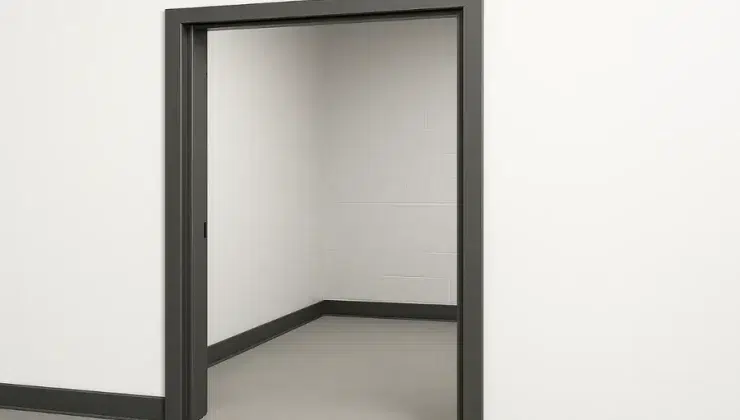
Metal door assemblies form an integral part of commercial architecture, serving not just as a functional component but also as a foundational element in a building’s structural integrity. These assemblies—comprising doors, frames, and hardware—offer a level of durability and reliability that other materials, such as wood or composite, often struggle to match in high-traffic or high-risk environments. From retail storefronts to government facilities, the demand for metal door assemblies is rooted in their unmatched ability to perform under pressure while retaining their form and function over time.
The long-term performance of a commercial building depends heavily on how well its access points manage stress, temperature fluctuation, and human activity. Metal doors, typically manufactured from steel or stainless steel, have the advantage of being able to endure these factors without the warping, cracking, or degradation that can plague other materials. This kind of resilience translates to fewer maintenance cycles, which reduces operational costs and downtime for businesses occupying the space.
Furthermore, metal door assemblies are engineered to comply with a variety of building codes and performance standards, from fire ratings to sound transmission limits. These standards are essential to ensuring not only occupant safety but also the building’s eligibility for insurance and occupancy permits. When architects and facility managers choose high-quality metal assemblies, they are investing in a future-proof infrastructure that adapts seamlessly to modern demands in security, efficiency, and compliance.
Durability that Withstands Daily Impact
The rigors of daily use in commercial environments place considerable stress on door systems, making durability a non-negotiable feature. Metal doors and frames, especially hollow metal door assemblies, stand out in this regard, delivering consistent performance through years of heavy use. They resist dents, abrasions, and other wear that might compromise the function or appearance of less durable options, ensuring that entrances and exits maintain both form and function.
In environments such as hospitals, schools, and industrial facilities, doors are opened and closed thousands of times each week. Hollow metal door systems reinforced with galvanized or stainless steel can handle this workload with minimal degradation. Their structural strength means they rarely need replacement, which is an advantage for facility managers working on tight budgets or overseeing multiple properties.
For decision-makers looking to better understand the variety and specifications of metal options available, different types of hollow metal door and frame solutions offered by leading local distributors such as USA Fire Door provide a clear picture of how material choices affect performance. These systems show how variations in core materials, frame reinforcements, and fire ratings influence long-term results in demanding commercial spaces. Such knowledge enables more informed decisions, leading to installations that deliver optimal value and longevity without increasing maintenance needs.
Fire Protection and Code Compliance
Fire safety is a paramount concern in commercial buildings, and metal door assemblies play a central role in meeting fire code requirements. Fire-rated metal doors are specifically designed to contain fire and smoke, helping to prevent the rapid spread of flames between building sections. In the event of a fire, these doors act as critical barriers, providing occupants with vital time to evacuate safely and first responders with the means to control the situation more effectively.
Most jurisdictions enforce strict building codes that mandate the use of fire-rated doors in certain areas of a commercial structure, such as stairwells, corridors, and rooms storing flammable materials. Metal doors can be manufactured to meet ratings ranging from 20 minutes to three hours, depending on the specific requirements of the building. The availability of third-party certifications from organizations like Underwriters Laboratories (UL) or Intertek further assures code compliance.
However, not all fire-rated doors are created equal. The quality of the assembly, including the frame, core material, and hardware, can significantly impact how well the door performs under extreme heat. Building owners and contractors should ensure that the entire assembly, not just the door leaf, is tested and certified as a unit. This comprehensive approach is essential to guaranteeing performance when it matters most.
Enhanced Security and Forced Entry Resistance
In today’s commercial landscape, security is no longer an afterthought; it is an integral part of facility planning. Metal door assemblies offer a robust line of defense against forced entry, making them a preferred choice in areas where security is paramount. Whether it’s deterring vandalism or delaying unauthorized access, these systems are designed to provide a hardened barrier without compromising usability.
Many commercial metal doors can be equipped with reinforced cores, secure locking mechanisms, and tamper-resistant hardware that make them significantly harder to breach. Institutions like banks, correctional facilities, and data centers frequently specify metal assemblies for precisely these reasons. Even in general office settings, the peace of mind offered by a secure entry system can be a decisive factor in leasing or purchasing decisions.
Moreover, the integration of access control systems and surveillance hardware is often more straightforward with metal assemblies. These doors can accommodate wiring channels, card readers, and automated locking systems without sacrificing structural integrity. This flexibility allows businesses to scale their security operations without costly retrofits or custom fabrication.
Energy Efficiency and Insulation Capabilities
While often overlooked, energy efficiency is a growing consideration in commercial building design, particularly as utility costs rise and environmental regulations tighten. Metal door assemblies can contribute positively to a building’s thermal performance when designed with proper insulation and weather-stripping. This can help reduce heating and cooling loads, improving overall energy efficiency and reducing long-term costs.
Insulated metal doors typically feature cores made of polyurethane, polystyrene, or honeycomb steel materials that help regulate temperature transfer. When combined with precision-installed frames and sealing systems, these doors help maintain interior climate conditions, particularly in facilities with temperature-sensitive operations like data centers or food processing plants. These energy benefits also support a building’s eligibility for green certifications such as LEED or Energy Star.
It’s also worth noting that poor-quality door assemblies or installations can lead to significant air leakage, which undermines HVAC performance and occupant comfort. Investing in high-grade metal doors, verified through energy performance testing, ensures that the building envelope remains tightly sealed. Over time, these investments pay for themselves in the form of lower utility bills and improved tenant satisfaction. You can explore more related insights on punsmagazine.com.
Design Versatility and Aesthetic Integration
Though often associated with utilitarian use, modern metal door assemblies offer a surprising degree of design flexibility. Advances in manufacturing technology allow for a variety of finishes, textures, and colors that can be tailored to match any architectural style. From brushed stainless steel to custom powder coatings, metal doors can complement both interior and exterior design schemes without sacrificing performance.
This versatility is particularly valuable in commercial spaces aiming to project a strong brand identity or maintain a premium aesthetic. Retail chains, luxury hotels, and corporate headquarters can all benefit from the sleek, minimalist lines of modern metal doors. Additionally, many manufacturers now offer customized panel designs and vision lite configurations that allow more natural light into a space while maintaining safety standards.
At the same time, this aesthetic adaptability does not come at the cost of functionality. Unlike wood or fiberglass alternatives, metal doors can maintain their visual appeal for years with minimal upkeep. The resistance to rust, corrosion, and UV damage ensures that the doors do not fade or degrade with exposure, making them a smart investment for buildings that prioritize both form and function.
Lifecycle Cost Benefits and ROI
One of the strongest arguments in favor of metal door assemblies is their long-term cost efficiency. Although the initial investment may be higher than some alternatives, the total lifecycle cost of ownership is often significantly lower. This is due to the minimal maintenance, reduced replacement frequency, and increased operational efficiency that metal systems provide.
Over time, building owners will find that the reduced need for repairs and replacements translates into tangible savings. The durability of steel and stainless steel doors means that issues like warping, rotting, and swelling—which are common with wood doors—are virtually eliminated. Facility maintenance teams can reallocate their resources more efficiently, focusing on other building systems instead of constant door upkeep.
In addition, the durability and performance of these assemblies can add to a building’s overall asset value. Prospective buyers or tenants often consider the condition of infrastructure elements such as doors and windows when making decisions. A well-maintained, high-quality door system can reflect positively on the building’s perceived reliability and operational excellence, thereby enhancing return on investment.
Regulatory and Industry Standard Alignment
Finally, commercial buildings must align with a wide array of industry standards, from accessibility guidelines to fire and life safety regulations. Metal door assemblies are often designed and tested to meet or exceed these requirements, helping to streamline the approval process for occupancy and reduce potential legal liabilities. Failure to meet these standards can lead to costly retrofits or regulatory penalties.
Key standards from organizations such as ANSI, NFPA, and ADA require not only performance criteria but also proper installation and maintenance practices. Metal doors and frames can be sourced with certifications that guarantee compliance, giving specifiers and contractors added confidence in their choices. Many manufacturers provide detailed documentation and testing data to ensure that their products align with these often complex regulatory environments.
Additionally, as sustainability and safety requirements continue to evolve, metal door assemblies are adapting as well. Innovations in materials science and fabrication allow for improved performance without compromising compliance. This adaptability makes them a future-ready solution for architects and facility managers striving to meet today’s codes while preparing for tomorrow’s challenges.