What to Do When Your Opener Makes Grinding or Clicking Sounds
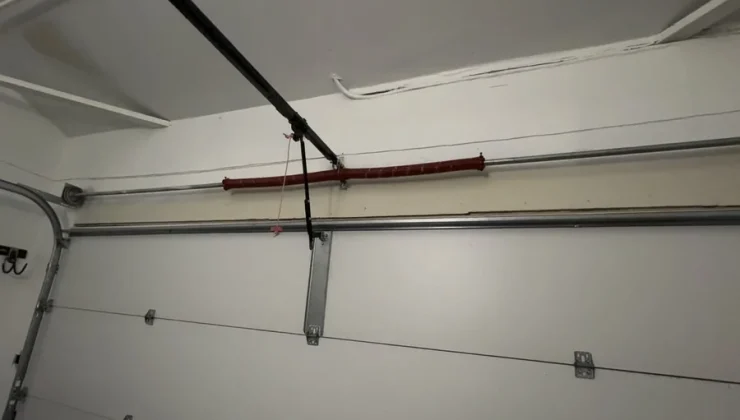
Garage door openers are often taken for granted until they begin to show signs of trouble. One of the most noticeable warning signals is a grinding or clicking noise whenever the opener is in use. These sounds can be concerning because they often indicate underlying issues that, if left unaddressed, may lead to bigger problems such as total malfunction or costly repairs. Understanding what these noises mean and how to handle them effectively can save you both time and money. We will explore different causes behind grinding and clicking sounds, and outline what actions you can take to keep your garage door system functioning smoothly. By knowing what steps to follow, you can prevent interruptions in your daily routine and extend the life of your opener.
Steps to Take When Your Garage Door Opener Makes Unusual Noises
-
Inspect the Garage Door Tracks and Rollers
A common cause of grinding or clicking sounds is misaligned or dirty garage door tracks and rollers. When dust, dirt, or even small obstructions build up along the tracks, the rollers may struggle to move freely. This resistance produces grinding sounds that can become louder over time. Misaligned tracks can also cause rollers to bump against the edges, creating clicking noises. Regularly inspecting the tracks to ensure they are clear and aligned is a simple yet crucial first step. If dirt is the issue, wiping the tracks with a damp cloth followed by a dry one can make a big difference.
Lubricating the rollers with a silicone-based lubricant afterward helps them move more smoothly, reducing unnecessary strain on the opener. For homeowners searching for reliable garage door opener repair in Longwood, FL, addressing these small maintenance tasks promptly prevents noise from escalating into more severe problems such as broken rollers or bent tracks, both of which could disrupt the system entirely.
-
Check for Loose Hardware and Components
Garage door systems are held together by numerous nuts, bolts, and screws that endure vibrations every time the opener is in use. Over months and years, these vibrations can cause hardware to loosen gradually. Loose hardware not only affects the performance of the opener but can also create rattling, clicking, or grinding noises. A clicking sound may indicate that a bolt is shifting under pressure, while grinding could suggest that parts are scraping against each other because they are no longer securely fastened.
To address this, take time to examine hinges, brackets, and other visible components. Use the appropriate tools to tighten any that appear loose. However, be careful not to overtighten, as this could strip the threads or damage the material. By keeping hardware properly tightened, you reduce the strain placed on the opener and ensure that the door operates more quietly and efficiently.
-
Examine the Opener’s Drive System
Different types of garage door openers use different drive systems, including chain, belt, or screw drives. Each system has its own potential source of noise when something goes wrong. For instance, a chain-drive opener may produce grinding sounds if the chain is too loose, while a belt-drive system may click if the belt is worn or misaligned. Screw-drive openers, on the other hand, may grind when lubrication has dried out. Examining the drive system is essential for identifying the root cause of the noise.
Chains can often be tightened by adjusting the tension screw, while worn belts may need replacement to restore quiet operation. For screw drives, applying the manufacturer-recommended lubricant can immediately reduce grinding noises. Paying attention to the drive system ensures smoother operation and prevents premature wear and tear, allowing the opener to handle the weight of the garage door without unnecessary resistance.
-
Look at the Motor and Internal Gears
In some cases, the source of grinding or clicking noises comes from within the motor housing itself. Garage door openers use gears and other moving components that can wear down over time. When gears begin to deteriorate, they may grind against each other or slip, producing distinct sounds that signal a need for repair or replacement. Clicking may also occur if electrical contacts inside the motor are struggling to connect properly. To diagnose these issues, you will likely need to remove the opener’s cover and visually inspect the gears. Look for worn or broken teeth, as these are common causes of grinding. If the gears appear damaged, they may need to be replaced, which often involves purchasing a gear replacement kit specific to your opener model. Ignoring motor and gear problems can eventually stop the opener from working entirely, making early intervention critical.
-
Schedule a Professional Inspection if Needed
While many noises can be addressed through maintenance and minor repairs, there are situations where professional inspection becomes necessary. If you’ve checked tracks, rollers, hardware, drive systems, and gears without success, the issue may be more complex. Electrical problems, motor failure, or internal wiring issues are difficult to diagnose without training. Continuing to use an opener in this condition may lead to sudden breakdowns or even safety hazards.
A professional inspection can pinpoint the exact cause of the grinding or clicking sounds and recommend appropriate solutions, whether that means repair, part replacement, or full installation of a new opener. Regular inspections not only resolve current noise problems but also help identify potential issues before they escalate, ensuring your garage door system remains reliable for years to come.
Grinding and clicking noises from a garage door opener are clear signs that the system needs attention. These sounds may stem from something as simple as dirty tracks or loose hardware, or they could indicate deeper problems with the motor, gears, or springs. Whether you perform simple maintenance yourself or schedule a professional inspection, the key is not to ignore unusual noises. Addressing them early protects your opener, keeps your garage door working safely, and adds peace of mind to your daily routine. By knowing what steps to take, you can extend the lifespan of your opener and maintain a quieter, more reliable system.