What Does a Property Damage Claims Adjuster Actually Do?
When unexpected disasters strike—like storms, fires, water damage, or accidents—the resulting damage to homes or commercial properties can be overwhelming for owners. Amid the confusion and stress of repairs and recovery, one key figure becomes central to navigating insurance claims: the property damage claims adjuster. This professional plays a vital role in bridging the gap between the insured and the insurance company. From assessing damage and interpreting policies to negotiating settlements, adjusters help ensure property owners receive fair compensation for their losses. We will explore the day-to-day responsibilities and value of a claims adjuster in managing property damage claims with fairness and accuracy.
Key Responsibilities of a Property Damage Claims Adjuster
1. Initial Evaluation and Damage Assessment
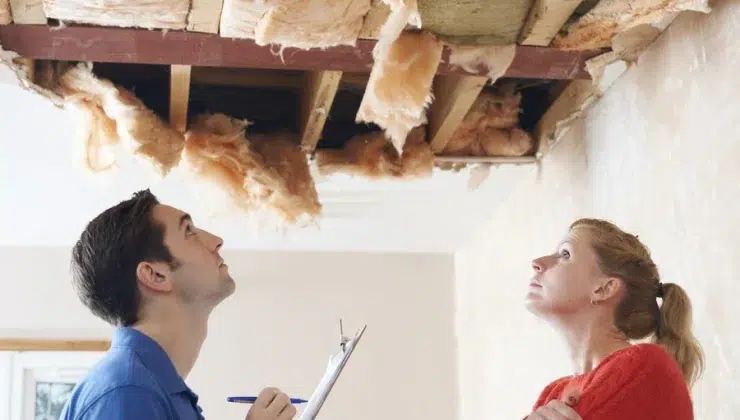
One of the most critical responsibilities of a property damage claims adjuster in CO is the initial evaluation of the claim and on-site inspection. When a property owner reports damage, the adjuster is assigned to examine the situation firsthand. They typically visit the property to observe and document the physical damage, take photographs, interview witnesses if applicable, and gather any relevant data that helps them piece together what happened and the extent of the damage. This process is more than just looking at broken windows or soggy drywall—it involves a detailed analysis of structural integrity, safety hazards, and potential hidden damage that might not be immediately visible.
For example, if a property has suffered water damage, the adjuster must consider the long-term impact, such as mold growth or electrical issues that may arise later. Their role here is foundational; without an accurate and comprehensive assessment, the rest of the claims process can become contentious or delayed. The evaluation also includes cross-checking the extent of loss against the details provided in the initial claim report to rule out inconsistencies or exaggerations. Accuracy in this phase is key to determining how the insurance company will respond.
2. Policy Review and Coverage Analysis
Once the damage has been inspected and documented, the adjuster must turn their attention to the property owner’s insurance policy. Each policy is unique and comes with specific coverages, limits, deductibles, and exclusions. The adjuster is responsible for thoroughly reviewing the document to interpret how it applies to the incident at hand. This means understanding whether the policy covers windstorm damage, for instance, or whether the water intrusion was the result of a covered peril or something excluded, like poor maintenance.
This step often requires explaining these complex policy terms to property owners in plain language, especially if the owner has never filed a claim before. It is not uncommon for disagreements to arise during this part of the process, particularly if the claimant believes something should be covered that the insurer does not. The adjuster must maintain neutrality while also adhering to the conditions of the policy. They must justify every part of the decision process in writing and often report their interpretation back to both the insurance company and the policyholder to ensure clarity on how the damage will be handled.
3. Estimating Repair Costs and Loss Valuation
Another significant aspect of the adjuster’s job is to estimate the cost of restoring the property to its previous condition. This step can be highly technical, involving construction knowledge, repair timelines, contractor bids, and even local labor and material rates. Many adjusters use specialized software tools to create detailed estimates that break down costs room by room and item by item. They may also coordinate with contractors or engineers for second opinions or more accurate numbers. For personal belongings, such as furniture, electronics, or appliances, the adjuster must determine actual cash value or replacement cost, depending on the policy.
They work to calculate depreciation, factor in usage, and validate purchase prices if receipts are available. This phase is not just about numbers—it often involves negotiation. If a homeowner believes the estimate is too low, they may push back, requiring the adjuster to review and sometimes revise the evaluation. The adjuster needs to maintain transparency throughout, making sure the figures are reasonable and justified while ensuring the insurer does not overpay.
4. Facilitating Communication and Documentation
A property damage claim involves a high volume of communication and documentation, and the adjuster is responsible for keeping it all organized and moving forward. From emails and phone calls to official reports, photographs, invoices, and repair schedules, the adjuster must coordinate between the insured, the insurance company, contractors, public adjusters, and sometimes legal representatives. Timely updates and clear communication are essential to avoid misunderstandings or frustration during the claims process.
Adjusters also act as a point of contact for answering questions about claim status or next steps. They may need to follow up on missing documentation or clarify confusing parts of the policy. In larger or more complex claims, such as multi-unit buildings or commercial facilities, the adjuster might conduct multiple site visits and ongoing inspections to ensure repairs are progressing according to plan. Everything must be carefully documented to create a clear, traceable path from the initial report to the final settlement. This paper trail becomes critical if disputes arise later or if a policyholder challenges the settlement decision.
A property damage claims adjuster plays a central role in guiding policyholders through one of the most stressful experiences they might face: recovering from property loss. Their responsibilities are layered and complex, requiring a mix of technical skills, policy knowledge, negotiation ability, and clear communication. We have explored how adjusters evaluate damage, interpret insurance policies, calculate repair costs, manage documentation, and ultimately ensure fair settlements. The process involves balancing the interests of the insurer with the needs of the insured, often under tight deadlines and pressure. For property owners navigating insurance claims, understanding what a claims adjuster does helps build trust in the process and ensures that no detail is overlooked.