The Role of Roof Flashing in Preventing Leaks
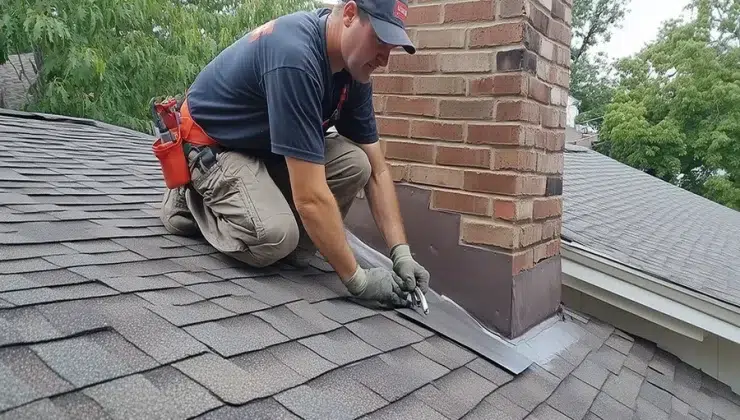
Roofs are the first line of defense against weather elements, and their integrity is essential for the safety and comfort of a home. One of the most crucial components in maintaining this protection is roof flashing. Flashing refers to thin pieces of metal or other materials installed at joints, edges, and around roof penetrations such as chimneys, skylights, and vents. Its primary purpose is to direct water away from vulnerable areas, preventing leaks that can lead to structural damage and costly repairs. We will explore how roof flashing contributes to a long-lasting and secure roofing system, why proper installation matters, and the ways it safeguards both residential and commercial properties. Understanding the role of flashing can help homeowners and property managers make informed decisions about maintenance and repair.
Importance of Roof Flashing in Leak Prevention
Directing Water Away from Vulnerable Areas
Roof flashing acts as a barrier and guide for water flow. When rainwater or melted snow comes into contact with roof intersections, valleys, or projections, flashing channels it away from seams and joints that are most susceptible to leakage. Without properly installed flashing, water can seep beneath shingles, tiles, or other roofing materials, eventually causing rot, mold growth, and deterioration of the roof deck. By creating a controlled path for water to exit the roof safely, flashing helps maintain the overall structural integrity of a building.
Midwest Roofing emphasizes the importance of quality flashing installation, as different types, such as step flashing, continuous flashing, and counter-flashing, are designed for specific areas, ensuring that each potential entry point for water is adequately protected. Properly installed flashing ensures that even heavy rainfall or prolonged exposure to moisture does not compromise the roof.
Protecting Roof Penetrations and Joints
Chimneys, vents, skylights, and other roof penetrations create natural weak points where water can infiltrate. Flashing surrounds these penetrations, forming a watertight seal that prevents leaks from developing. For example, step flashing along the base of a chimney ensures that water flows around the structure instead of pooling against it. Similarly, metal flashing installed around vents or skylights prevents water from seeping through the small gaps where roofing material meets the penetration. This protection is crucial because leaks in these areas can cause interior water damage, damage to insulation, and even electrical hazards if water reaches wiring. A roof without sufficient flashing is more vulnerable to these risks, emphasizing the role of flashing in overall roof longevity.
Extending the Lifespan of Roofing Materials
Roofing materials alone cannot always withstand harsh weather conditions. Continuous exposure to rain, snow, wind, and sunlight can cause shingles, tiles, or other materials to crack, warp, or lift, creating opportunities for leaks. Flashing provides additional protection by covering joints, edges, and overlaps that are prone to water intrusion. This barrier reduces wear on the main roofing material and prevents accelerated deterioration. By safeguarding these critical areas, flashing contributes to the longevity of the entire roofing system. Homeowners may find that regular inspections and maintenance of flashing significantly reduce the frequency of repairs and the likelihood of premature roof replacement, making it an essential component of long-term property care.
Preventing Mold and Structural Damage
Leaks caused by insufficient flashing often go unnoticed until visible damage appears inside the home. Water infiltration can lead to mold growth, which not only affects indoor air quality but can also weaken wooden structures and insulation. Flashing prevents water from entering these spaces, reducing the risk of mold-related health issues and structural compromise. For commercial properties, where roof integrity directly impacts operations and safety, effective flashing is critical to avoid costly downtime and repairs. Regular inspection of flashing for signs of corrosion, separation, or damage ensures that it continues to perform its protective function. This proactive approach helps maintain a safe and healthy environment for residents or occupants while preserving the building’s value over time.
Adaptability to Different Roof Types and Designs
Modern roofing systems vary widely, from asphalt shingles and metal panels to tiles and cedar shakes. Flashing is adaptable and can be tailored to suit each type of roof. For sloped roofs, step flashing and continuous flashing work effectively along edges and intersections. For flat or low-slope roofs, sheet metal or rubber-based flashing provides reliable protection. Additionally, flashing can be integrated with gutters and drainage systems to enhance water management. This versatility ensures that, regardless of roof design or material, flashing fulfills its role in preventing leaks. Selecting the right type of flashing and ensuring proper installation is essential, as incorrect flashing can create more problems than it solves, highlighting the importance of thoughtful planning in roofing projects.
Roof flashing plays a vital role in maintaining the integrity of any roofing system. By directing water away from vulnerable areas, protecting roof penetrations, extending the lifespan of roofing materials, preventing mold and structural damage, and adapting to various roof types, flashing ensures that roofs remain secure and leak-free. Property owners who prioritize the installation, inspection, and maintenance of roof flashing can avoid costly repairs and safeguard their homes or commercial buildings. Proper attention to flashing is a key step toward a durable and reliable roofing system.