The Rise of Cozy Culture: How People Are Designing Homes That Feel More Like Retreats
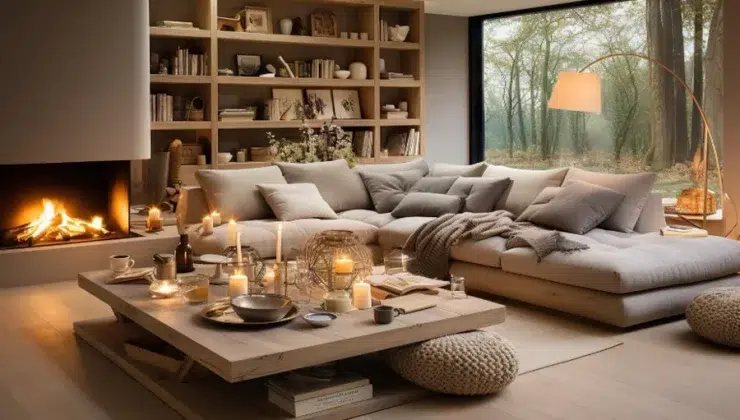
Cozy culture has quietly become one of the most defining lifestyle shifts of the past decade. As people spend more time at home, working, relaxing, recharging, they’ve begun reshaping their spaces with a level of intention once reserved for vacations or weekend getaways. The idea of home as a retreat isn’t just a trend; it’s a response to a world that feels increasingly loud and demanding. Small design choices, warm textures, comforting rituals, and atmosphere-building tools are transforming ordinary rooms into calming sanctuaries. It’s no surprise that many people gravitate toward items that help them cultivate this feeling, whether it’s ambient lighting, soft textiles, or relaxation-focused products like Mysa that contribute to a sense of personal comfort. The rise of cozy culture isn’t about décor, it’s about emotional grounding.
Why People Are Redesigning for Comfort
Life today moves quickly, often too quickly. Constant notifications, digital noise, and the pressure to stay “on” have created a craving for spaces that feel stable and soothing. Home is becoming the antidote to overstimulation. Instead of focusing on impressiveness or trendiness, people are designing for warmth, calm, and a feeling of exhale, the kind of atmosphere that signals safety the moment you walk through the door.
Cozy culture also reflects a deeper shift: people want their environments to mirror what they value. Whether that’s slow mornings, intentional rest, creative hobbies, or quiet evenings, design choices are increasingly tied to lifestyle, not aesthetics. Homes are expected to support emotional well-being, not just look good.
Textures, Colors, and the Power of Atmosphere
One of the core elements of cozy design is material. Plush blankets, layered rugs, soft upholstery, and natural fibers help build spaces that aren’t just visually warm but physically comforting. Color palettes have shifted toward earth tones, muted neutrals, and soft pastels, tones that feel gentle on the senses. Warm, dimmable lighting replaces harsh overhead brightness and helps create an environment the nervous system can relax into.
It’s the combination of small elements that creates the bigger impact. When textures, colors, and lighting work together, a room becomes something more than functional, it becomes restorative.
Bringing Nature Indoors
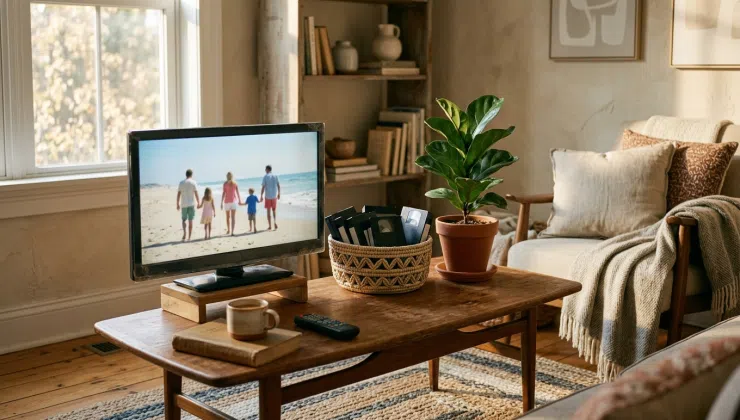
Many people have begun incorporating elements of nature into their homes as a way to counterbalance hours spent indoors or in front of screens. Plants, wooden furniture, stone accents, and natural fabrics all help reconnect a space with something organic and grounding. Even small touches, like a single leafy plant on a desk or a wooden tray on a coffee table, make a difference.
Natural elements also encourage slower living. They remind us of things that grow at their own pace and bring a sense of groundedness that modern life often lacks.
The Role of Ritual in Cozy Culture
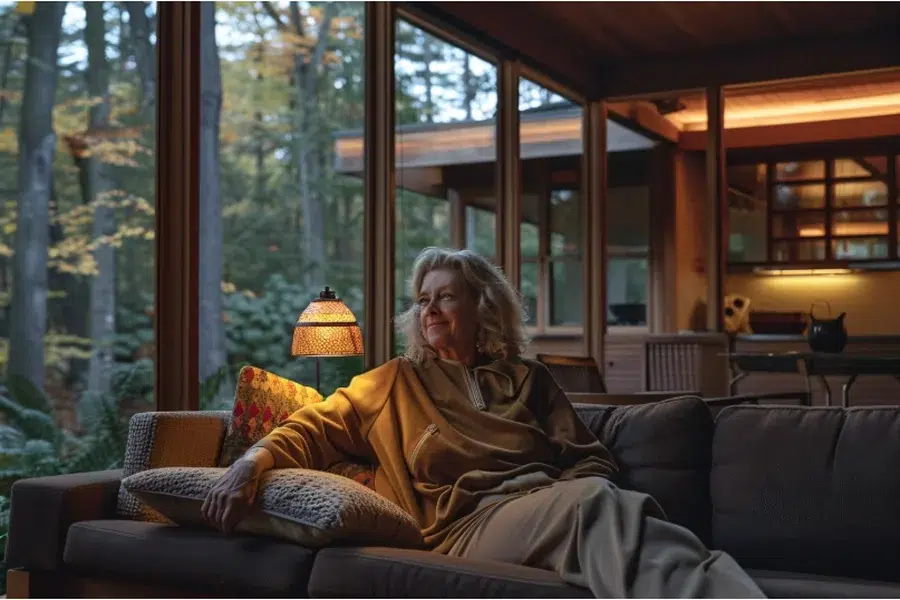
Cozy homes aren’t built on objects, they’re shaped by rituals. The slow morning coffee, evening reading nook, Sunday baking routine, or warm bath at the end of a long day all influence how a home feels. People are increasingly designing their spaces around these small rituals, placing comforts within easy reach rather than treating them as luxuries.
A retreat-like home supports these routines by making them seamless. A warm throw draped over the reading chair, a soft lamp in the hallway, or a calming scent near the entryway becomes part of the rhythm of daily life. When comfort is built into the environment, the rituals that restore us become easier to maintain.
From Aesthetic to Mindset
While cozy culture tends to be associated with aesthetics, a warm mug, a plush blanket, a softly lit room, the shift is primarily psychological. The desire for coziness is a desire for control over emotional energy. It’s an acknowledgment that the world is unpredictable, and home is the one place where we can intentionally shape our surroundings.
For many, this shift is also about reclaiming a sense of presence. Cozy homes slow us down. They invite us to sit, to breathe, to put down the phone, to reconnect with ourselves or the people we live with. Cozy culture isn’t passive, it’s mindful.
How Technology Complements Coziness
Interestingly, technology hasn’t been pushed aside in the cozy movement, it’s been repurposed. Smart temperature tools, customizable lighting systems, ambient soundscapes, and intuitive controls all help shape the sensory landscape of a home. When used intentionally, these tools enhance comfort rather than disrupt it.
Products that blend technology with calming experiences fit naturally into the philosophy of cozy design. They help people fine-tune the feeling of their homes so that comfort becomes effortless rather than something they have to constantly adjust.
Cozy culture is ultimately about agency, the power to shape your environment in a way that supports your emotional life. As people continue investing in their homes, the trend isn’t merely decorative; it’s deeply human. We’re building places that help us decompress, reflect, create, and feel secure. These small design choices ripple outward, affecting our mood, our stress levels, and even how connected we feel to the people around us.
For further insights on how home environments affect emotional well-being, readers can explore the American Psychological Association’s research on environmental psychology, which offers evidence-based perspectives on how surroundings influence stress, mood, and daily functioning.