The Most Bed Bug–Infested Cities in America in 2025
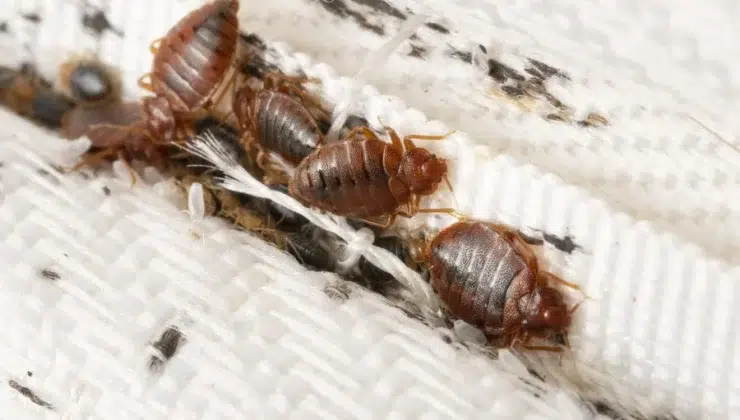
Bed bugs are still a stubborn problem for a lot of American cities in 2025, with some metro areas seeing way more of them than others. Chicago hangs onto its title as the city with the most bed bug activity, trailed by Cleveland, Detroit, and Los Angeles. These cities have the highest numbers of treatments, both in homes and businesses.
Travel seems to play a big role in how bed bugs spread, so it pays for visitors to know what to look for. If you’re staying in a hotel or a rental, it’s smart to give the place a good once-over before settling in. Honestly, learning how to spot the telltale signs of bed bugs in a hotel room can save you a lot of trouble later.
Some places, like Hartford, have had a sharp rise in reports, while others—New York and Philadelphia come to mind—have managed to turn things around a bit thanks to better prevention. Still, staying alert is key if you want to avoid outbreaks in the worst-hit cities.
2025 Bed Bug–Infested Cities Rankings
The list below spotlights the metro areas where pest control companies have been busiest from mid-2024 to mid-2025. Some cities have shuffled around in the rankings, but others are stubbornly stuck at the top. If you’re living in or traveling to these places, it’s worth paying attention to the trends and what’s behind them.
Top 10 Most Bed Bug–Infested Cities
Chicago is still number one for the fifth year running. After that, there’s Cleveland, Detroit, and Los Angeles, all with more cases than before. Indianapolis comes in fifth. Rounding out the top ten: Washington, D.C., Grand Rapids, Columbus, Champaign, and Milwaukee—Milwaukee, in particular, jumped up the list quite a bit.
| Rank | City | Rank Change (from 2024) |
| 1 | Chicago | – |
| 2 | Cleveland | +2 |
| 3 | Detroit | +3 |
| 4 | Los Angeles | +1 |
| 5 | Indianapolis | +3 |
| 6 | Washington, D.C. | +1 |
| 7 | Grand Rapids | +7 |
| 8 | Columbus | +3 |
| 9 | Champaign | +1 |
| 10 | Milwaukee | +15 |
This ranking is based on combined residential and commercial treatments, which really highlights how tough it is to get these infestations under control.
Factors Behind the Rankings
Population density and travel are two big reasons some cities get hit harder. Places with lots of hotels, airports, and bus stations tend to see more cases—people and their stuff are always coming and going, which just helps bed bugs hitch a ride to new places.
Some bed bugs aren’t fazed by certain pest control methods anymore, which makes getting rid of them even trickier. Early spotting and prevention are especially important, particularly in places where people are coming and going all the time, like hotels.
Money matters, too. Cities with fewer resources can end up battling infestations for longer. On the other hand, public awareness campaigns and easy access to professional help seem to make a real difference in how the numbers shift year to year.
Analysis of Regional Bed Bug Hotspots
The Midwest is still a major hotspot—Chicago, Cleveland, and Detroit are all near the top of the treatment charts. The climate and city layouts in this region seem to give bed bugs a leg up.
The Northeast is a mixed bag. Hartford’s had a big spike, but New York and Philadelphia have actually reported fewer cases, maybe thanks to better prevention and more folks knowing what to look for.
Down south and out west, cities like Los Angeles and Washington, D.C. are still up there in the rankings, though their numbers aren’t rising as fast. Travel patterns and busy seasons definitely play a role, so it’s smart to be extra careful during peak travel months.
Understanding and Managing Bed Bug Infestations
Bed bugs are annoyingly tough and spread fast in crowded places. Once they’re in, getting them out isn’t easy. Spotting them early and dealing with them head-on can really limit the mess, whether it’s in your home or a public space.
Why Bed Bugs Thrive in Urban Areas
Honestly, cities are perfect for bed bugs—lots of people packed into apartments, hotels, and buses, with plenty of places to hide. High turnover in housing and a constant stream of visitors just make it easier for them to move around.
Warm weather in many cities speeds up their breeding, and cluttered spaces give them endless spots to lay low. Plus, let’s face it, a lot of people just don’t know much about these pests, which lets infestations get worse before anyone notices.
Recognizing the Signs of Bed Bug Infestation
Catching an infestation early can save you a ton of hassle. Watch for small, reddish bites—often in a line—on your skin. Not everyone reacts the same way, but the itching can be pretty rough.
Other hints: tiny rust-colored stains on your sheets or furniture, shed skins, and a weird, musty smell if things are really bad. Bed bugs are about the size of an apple seed and love to hide in mattress seams, bed frames, or cracks in nearby furniture. If you’re even a little suspicious, it’s worth checking.
Prevention and Bed Bug Control Strategies
Taking some basic precautions can really help keep bed bugs at bay. If you’re traveling, it’s smart to check out the mattress seams and headboard with a flashlight before you get too comfortable. Try to keep your bags zipped up, and don’t just toss them on the bed or floor—it’s just not worth the risk.
When you get home, it’s best to unpack somewhere separate from your main living space. Throw your clothes straight into the dryer on high for half an hour—bed bugs can’t handle the heat. Honestly, if you do find a problem, calling in pest control pros is usually the way to go. They know what they’re doing, and those store-bought sprays rarely cut it.
Staying on top of vacuuming and keeping clutter down makes a difference, too. If you spot anything suspicious, deal with it right away. And whatever you do, don’t move infested stuff into other rooms—that just spreads the headache around.