The Importance of Sealing Ductwork for Energy Efficiency
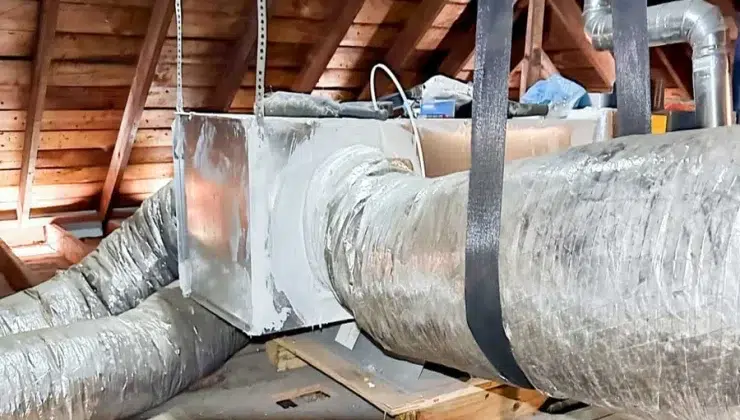
Maintaining energy efficiency in homes and commercial spaces has become a crucial concern for both environmental and financial reasons. One of the most overlooked aspects of achieving an energy-efficient environment is ensuring that the ductwork in heating, ventilation, and air conditioning (HVAC) systems is properly sealed. Leaky ducts can result in significant energy losses, increased utility bills, and uneven heating or cooling throughout a building. We will explore why sealing ductwork is essential, how it impacts energy consumption, and the long-term benefits it provides to homeowners and business owners alike. Properly sealed ducts not only improve comfort but also support sustainability by reducing wasted energy and minimizing the environmental footprint of HVAC systems.
Why Sealing Ductwork Matters for Energy Efficiency
-
Reduction of Energy Losses
Unsealed or poorly sealed ductwork allows air to escape as it travels from the HVAC unit to various rooms in a building. Studies indicate that the average duct system can lose between 20% to 30% of conditioned air due to leaks. This means that your heating or cooling system must work harder to maintain the desired temperature, consuming more electricity or fuel in the process. Over time, these losses accumulate into a substantial increase in energy bills. By working with an HVAC contractor in Las Vegas to seal ducts, you can ensure that the air reaching each room is at the intended temperature, making the system more efficient. Additionally, reducing energy loss contributes to a lower demand on power plants and fossil fuels, supporting broader environmental sustainability goals.
-
Enhanced Comfort Throughout the Building
One of the most noticeable effects of leaky ductwork is inconsistent temperature distribution. Some rooms may become too hot or too cold while others remain unaffected, leading to discomfort for occupants. This issue is particularly common in multi-story homes and large commercial spaces, where duct runs are longer and more complex. When ducts are properly sealed, the HVAC system can distribute air evenly, ensuring that every room maintains a consistent temperature. This not only improves the comfort of residents and employees but also allows for more precise temperature control. Enhanced comfort can indirectly impact productivity and overall satisfaction, especially in work environments where consistent climate control is crucial.
-
Prolonging HVAC System Lifespan
When ducts leak, the HVAC system must work harder to compensate for the lost air. This additional strain increases wear and tear on components such as compressors, fans, and motors. Over time, these parts may fail sooner than expected, leading to costly repairs or even premature replacement of the entire system. Sealing ductwork reduces the workload on the system, allowing it to operate more smoothly and efficiently. A well-maintained system with sealed ducts typically requires less frequent maintenance and enjoys a longer operational lifespan. Investing in duct sealing can therefore save significant costs in repair and replacement while ensuring reliable performance over many years.
-
Improved Indoor Air Quality
Leaky ducts can also impact the quality of the air circulating within a building. Gaps and holes in the ductwork can draw in dust, dirt, allergens, and even mold spores from attics, basements, or crawl spaces. These contaminants then travel through the HVAC system and into living or working spaces, potentially affecting health and well-being. By sealing ducts, you prevent unwanted particles from entering the airflow, creating a cleaner and healthier indoor environment. This benefit is especially important for individuals with allergies, asthma, or other respiratory conditions, as well as for maintaining overall hygiene and comfort in densely occupied spaces.
-
Environmental Benefits and Energy Conservation
Sealing ductwork contributes to energy conservation and environmental protection. When less energy is wasted due to leaks, fewer resources are required to generate electricity or heat, reducing greenhouse gas emissions and the building’s overall carbon footprint. In regions where energy costs are high or where climate change initiatives are in place, efficient ductwork can support both regulatory compliance and eco-friendly practices. Homeowners and businesses that prioritize duct sealing are actively reducing their environmental impact while also enjoying the economic benefits of lower utility expenses. These dual advantages make duct sealing a practical and responsible choice for anyone seeking long-term energy efficiency.
-
Cost Savings and Return on Investment
Although sealing ductwork involves an upfront investment, the long-term financial benefits are substantial. Reduced energy consumption translates directly into lower utility bills, often covering the cost of duct sealing within a few years. Additionally, avoiding the strain on HVAC equipment can prevent expensive repairs or early replacement costs. Energy savings vary depending on the size of the building and the severity of the leaks, but most studies indicate that properly sealed ducts can save homeowners and businesses hundreds of dollars annually. Considering these savings alongside improved comfort and system longevity, duct sealing represents a sound financial decision that provides measurable returns over time.
-
Simplified Maintenance and System Upgrades
Sealed ducts make ongoing maintenance and future upgrades simpler and more efficient. HVAC technicians can more accurately assess airflow, performance, and system efficiency when ducts are intact and leak-free. This clarity helps identify potential issues quickly, reducing the time and cost associated with troubleshooting and repairs. Additionally, if a building owner decides to upgrade their HVAC system, sealed ducts ensure that the new equipment will operate at peak efficiency without being hindered by hidden leaks. Proper ductwork maintenance supports long-term planning and investment in energy-efficient systems, making future improvements more predictable and effective.
Sealing ductwork is a crucial step toward achieving energy efficiency, reducing operational costs, and maintaining a comfortable indoor environment. The benefits extend beyond immediate financial savings, encompassing improved comfort, healthier indoor air, longer HVAC system life, and a reduced environmental impact. By prioritizing duct sealing, buildings can operate more efficiently, consume less energy, and contribute to broader sustainability goals. Investing in ductwork maintenance is not only a practical choice but also a long-term strategy for energy-conscious living and working spaces.