How To Spot Early Signs Of A Sinking Foundation In Your Home
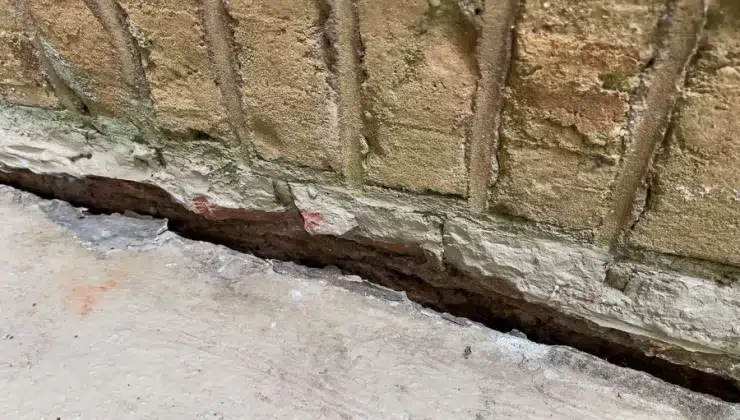
A strong foundation keeps a home stable and safe. Every structure depends on it for balance and strength. When the base weakens, small signs appear across different parts of the house. These signals may seem harmless at first, but they show that the ground beneath the home might be shifting.
A sinking foundation can cause cracks, uneven floors, or misaligned doors. These changes grow slowly, which makes them easy to overlook. Learning to recognize them early helps prevent expensive repairs. Quick action helps protect the structure and keeps the property in good condition for years.
Cracks In Walls And Floors
Cracks are among the first visible signs of trouble. Thin lines near doors or windows might look like surface damage, but diagonal or stair-step cracks often point to movement below the house. When gaps appear in walls or ceilings, it signals uneven pressure in the structure.
Floor cracks, especially those that widen over time, suggest that parts of the foundation are shifting. Homeowners can measure them regularly to see if they expand. Consistent checking helps determine whether the problem is stable or spreading.
Sticking Doors And Windows
Small changes in doors and windows can reveal early foundation shifts. The following points explain what to observe and why these changes matter:
- Tight Frames: Doors or windows that suddenly stick or rub against the frame signal movement in the walls.
- Uneven Gaps: Spaces at the top or bottom of frames suggest that one side has dropped slightly.
- Cracked Paint: Flaking or splitting paint around frames shows that the surface is under pressure.
- Loose Latches: When locks or latches stop fitting properly, it indicates a shift in the structure alignment.
Uneven Or Sloping Floors
A level floor shows balance in a home. When one area feels lower or higher, the foundation may be settling unevenly. It can cause furniture to tilt slightly or small objects to roll across the floor without force.
This situation can result from changes in soil moisture or poor drainage near the base. Regular inspection with a carpenter’s level can help detect shifts early. If the slope becomes more noticeable, it is time for a professional check.
Water Pooling Near The Foundation
Standing water near a house is never a good sign. It weakens the ground and affects the foundation’s balance. Watch for these clues that suggest poor drainage:
- Wet Soil: Damp or muddy areas after light rain indicate that water does not drain away fast enough.
- Gutter Overflow: Clogged gutters cause water to spill near the walls instead of flowing through downspouts.
- Improper Grading: The ground that slopes toward the house directs water to the base instead of away.
- Puddles After Rain: Water collecting close to walls shows that the soil is saturated and may lose strength.
Basement Or Crawl Space Issues
Basements and crawl spaces give early warnings of structural stress. Cracks in the concrete, damp spots, or a musty smell point to shifting pressure under the home. In some cases, a visible gap forms between the floor and walls.
Moisture control in these spaces keeps them safe from further damage. Using a dehumidifier or repairing leaks can reduce stress on the foundation. Keeping these areas dry and clean protects the home’s structure and air quality.
Early detection of foundation movement saves time and cost. Watching for cracks, floor slopes, or water issues helps prevent further damage. When signs of a sinking foundation appear, contacting a professional ensures proper evaluation. Timely care maintains safety, comfort, and value for every home.