Blending Work and Family Life: How A Garden Office Creates Healthy Boundaries
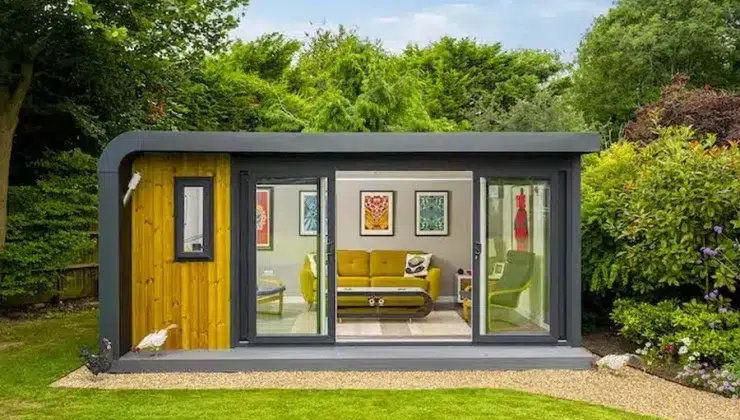
Blending work and family life can be difficult, especially when both happen under the same roof. Creating clear boundaries is essential to help maintain focus during work hours and be present during family time. A garden office offers a dedicated space that separates professional responsibilities from home life, making it easier to switch between work mode and personal time.
Working in shared home spaces often leads to blurred lines that can increase stress and reduce productivity. By having a separate garden office, individuals can physically leave their home environment when starting or ending the workday, supporting better mental health and improved time management. This separation also helps minimize distractions, balancing personal life with remote work demands.
Professionally designed garden offices are available as tailored, all-year-round solutions that fit individual needs while complementing outdoor living spaces. Investing in a purpose-built garden office enhances the work-from-home experience by providing focus and flexibility without sacrificing family connection or convenience. For those interested in exploring options, many customized garden office designs offer both form and function.
Establishing Healthy Work and Family Boundaries With a Garden Office
Creating clear boundaries at home is essential to maintain a healthy separation between work and family life. A garden office offers specific structural and behavioral tools that help manage time, space, and mental shifts to protect well-being and productivity.
How a Dedicated Workspace Enables Work-Life Balance
A garden office provides a designated area solely for work, away from common family spaces. This dedicated workspace supports focus by minimizing domestic distractions that often arise in living rooms or kitchens.
By having a clear location for work activities, individuals can psychologically transition into “work mode” when entering the garden office and switch off when they leave. This separation fosters a better work-life balance by preventing work tasks from encroaching on family time.
The physical presence of a garden office reinforces the importance of separating roles, helping both the individual and their family understand when work begins and ends.
Physical Separation and Visual Cues to Reduce Stress
Physical distance between the home and garden office creates an effective boundary that reduces mental fatigue. Walking to the garden office signals the start of work, while returning home indicates the transition back to family life.
Visual cues, such as a closed door or specific decor, reinforce these boundaries. A neat and functional garden office environment can minimize distractions and help maintain focus, while a different aesthetic in the home reinforces a relaxation space.
This clear division helps reduce the stress caused by blurred lines between work and personal life, supporting mental health by allowing the brain to distinctly process work and rest periods.
Rituals and Practices for Mental Health and Transition
In addition to spatial separation, establishing routines helps mentally prepare for work and transition back to family life. For example, a brief walk before entering the garden office or a meditation session can signal the start of a focused work period.
At the end of the day, closing the door behind and engaging in specific activities such as changing clothes or transitioning to leisure hobbies offers a psychological break from work responsibilities.
Integrating such rituals reinforces healthy boundaries and protects mental health by reducing the risk of burnout and improving presence in both work and family roles.
Defining Clear Work Hours for Family Harmony
Setting and communicating explicit work hours helps manage expectations for availability. A garden office supports this by encouraging defined start and end times rather than flexible, ambiguous schedules.
Establishing these hours prevents work from invading family time and reduces conflict arising from unclear boundaries. It also allows family members to plan their interactions around predictable work periods.
Consistency in work hours, combined with the use of a dedicated workspace, enhances respect for personal time and nurtures healthier relationships at home.
Maximizing Productivity and Collaboration in Your Garden Office
A garden office offers distinct advantages that enhance focus, support family needs during remote work, and encourage creative teamwork. By optimizing space and environment, it becomes easier to set clear boundaries and facilitate effective communication.
Boosting Productivity and Focus While Working From Home
A garden office reduces typical home distractions by creating a dedicated, quiet workspace separate from daily family activities. Natural light and fresh air contribute to mental clarity and energy levels, which directly improve productivity.
Ergonomic furniture and organized layouts allow for comfortable, sustained focus. Incorporating noise-reducing elements, like insulation or plants, further minimizes interruptions. Consistent routines and clear signals, such as closing doors or specific office hours, reinforce work discipline.
Clear physical separation in the garden office helps establish a stronger mindset for work, making task completion more efficient than multitasking in common home areas.
Supporting Remote Work and Family Dynamics
The garden office provides a distinct boundary between professional responsibilities and family life, which is essential for mental well-being. This separation helps individuals switch roles without overlap, reducing stress caused by simultaneous work and personal demands.
Family members benefit when the office space signals work time, minimizing accidental interruptions. It also allows remote workers to remain close enough for quick family interactions without compromising productivity.
Having a separate space supports flexible scheduling and clearer communication about availability, improving household harmony while enabling sustained remote work productivity.
Fostering Creativity and Collaboration in a Separate Space
A garden office designed for remote work can include areas encouraging brainstorming and virtual collaboration. Ample natural light and access to nature can stimulate creative thinking and problem-solving.
Technology integration, such as high-speed internet, video conferencing tools, and whiteboards, can support seamless teamwork, even at a distance. The physical separation from the main house limits distractions, allowing focused collaboration sessions.