10 Must-Ask Questions Before Ordering Custom Cabinets
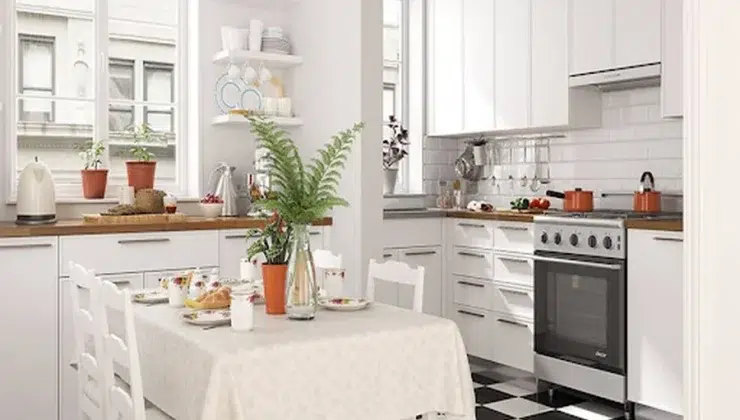
Investing in custom cabinets isn’t just about beautifying your space—it’s a significant financial commitment that will impact your daily life for years, possibly decades. After helping countless clients navigate this process (and making a few painful mistakes of my own early in my career), I’ve compiled the essential questions you absolutely must ask before signing on that dotted line.
1. What materials are used for the cabinet boxes and doors?
This might seem obvious, but what often surprises people is how many “custom” cabinet companies use prefabricated boxes with custom doors attached. There’s nothing inherently wrong with this approach, but you should know exactly what you’re paying for.
The material hierarchy typically runs from particle board (least expensive, least durable) to MDF, plywood, and finally solid wood (most expensive, most durable). Each has appropriate applications—I’ve specified high-grade plywood in plenty of high-end kitchens because of its dimensional stability—but the key is understanding what you’re getting.
Ask specifically about:
- Box construction material
- Door and drawer front material
- Shelf material (and thickness—3/4″ minimum for spans over 30″)
- Back panel construction (flimsy 1/8″ backs are a red flag)
2. How are the drawers constructed?
Drawer construction separates the truly premium cabinets from the merely good ones. The best custom cabinets feature dovetail joinery, solid wood drawer sides (at least 1/2″ thick), and full-extension undermount glides rated for at least 75 pounds.
I once had a client who insisted on saving money by downgrading the drawer construction. Three years later, I was back helping her replace drawers that had quite literally fallen apart. Sometimes the upgrade cost is worth every penny.
3. What’s included in the quoted price—and what isn’t?
This is where things get tricky. Some cabinet quotes include everything from design to installation, while others are just for the cabinets themselves. Before comparing quotes, clarify whether these elements are included:
- Design services and revisions
- Hardware (pulls and knobs)
- Interior organizers and specialty inserts
- Delivery
- Installation
- Removal of existing cabinetry
- Adjustments after installation
I’ve seen quotes that appeared dramatically different at first glance become nearly identical once all these factors were accounted for. Don’t be dazzled by a seemingly low initial number.
4. What is the timeline from order to installation?
Custom cabinets aren’t Amazon Prime—they take time. But how much time varies dramatically between manufacturers.
A realistic timeline for truly custom cabinets is typically 8-16 weeks from order to delivery, plus installation time. Be very wary of promises that sound too good to be true. Companies like OPPEIN have refined their manufacturing processes to deliver semi-custom options more quickly, but even the most efficient operations need adequate time for quality work.
And don’t forget to ask about the design phase timeline, which happens before the order is even placed. This can add weeks or even months to your overall project timeline.
5. How will the cabinets be finished?
Cabinet finishes aren’t just about color—they’re about durability and application methods. Factory-applied finishes typically offer superior durability compared to site-finished cabinetry because they’re applied and cured in controlled environments.
Ask specifically about:
- Number of finish coats applied
- Type of finish (catalyzed lacquer, conversion varnish, etc.)
- UV resistance (especially important for natural wood in sunny rooms)
- Inside cabinet finishing (some companies leave interior surfaces unfinished)
Come to think of it, the finish is where many cabinet companies cut corners, figuring consumers won’t know the difference. But trust me, you’ll notice the difference when your cabinets start showing wear patterns after just a couple years.
6. What is the warranty coverage?
Warranty terms tell you volumes about how much faith a manufacturer has in their own product. Premium custom cabinetry should come with at least a limited lifetime warranty on construction and 5+ years on finishes.
But the warranty is only as good as the company behind it. A lifetime warranty from a company that’s been in business for six months doesn’t inspire confidence. Ask how long they’ve been in operation and whether the warranty transfers if you sell your home.
7. How are adjustments and issues handled after installation?
Even the finest cabinetry sometimes needs adjustments after installation. Wood moves with seasonal humidity changes, and houses settle. What’s the process if a door needs realignment or a drawer starts sticking?
The best companies have clear post-installation service protocols. Will they send the original installer? Is there a service charge for adjustments? How quickly can you expect someone to address issues?
This is where visiting a kitchen cabinet showroom becomes invaluable—you can often meet the actual service team and gauge their commitment to customer satisfaction firsthand.
8. What are the payment terms?
Custom cabinet payment structures typically involve a deposit (often 50%), with the balance due either before delivery or after installation. Be crystal clear about when payments are due and what triggers those payment points.
And a word of caution: never pay the final balance until you’re fully satisfied with the installation. Once you’ve paid in full, your leverage for getting small issues resolved drops dramatically.
9. How are measurements handled?
This detail trips up so many projects. Will the cabinet company do field measurements themselves, or do they work from your contractor’s or architect’s dimensions? If the latter, what happens if there’s a discrepancy that affects the fit?
I had a nightmare situation years ago where a client’s architect provided measurements, the cabinet company built to those specs, and then we discovered that a structural beam was 3″ lower than shown on plans. Nobody wanted to take responsibility, and the client got stuck in the middle. Don’t let this be you.
10. Can I see examples of your work that are at least 5 years old?
Any cabinet can look great on installation day. The true test is how it performs years later. Ask to see and possibly visit installations that have been in use for several years.
But seeing older installations requires companies to maintain relationships with past clients. If a company can quickly connect you with happy customers from years ago, that’s a powerful indicator of their long-term quality and service.
Final Thoughts
Ordering custom cabinets should be exciting, not anxiety-inducing. Armed with these questions, you’ll not only get better cabinets—you’ll also quickly identify which cabinet makers are truly professional operations worthy of your business.
And remember, the lowest bid rarely delivers the best value over the lifetime of your cabinets. Quality custom cabinetry is an investment that pays dividends in daily enjoyment and home value for decades to come.