Changes in Male Hair: What They Might Mean for You
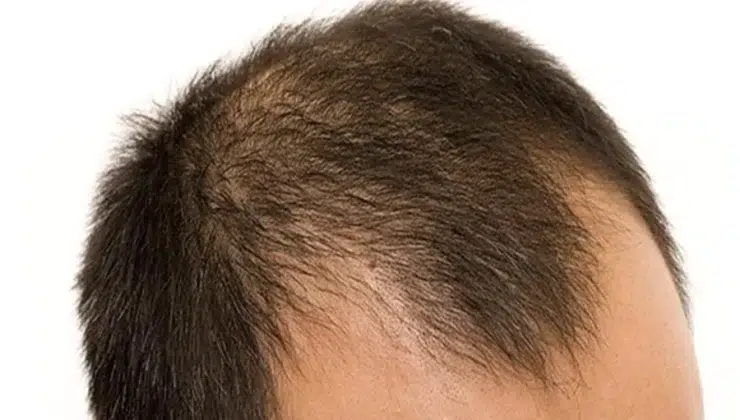
Hair changes are one of the most visible signs of aging in men. From thinning strands to changes in texture, your hair often reflects what’s happening inside your body.
Hair Loss and Hormones
One of the most common changes men notice is thinning hair or bald spots. This is often linked to dihydrotestosterone, a byproduct of testosterone, which can shrink hair follicles over time. However, other hormones like thyroid hormones and HGH also play a role in maintaining healthy hair growth.
Slower Growth and Thinning Texture
As men get older, hair may not only thin but also grow more slowly. Low HGH levels can reduce the body’s ability to regenerate tissues, including hair follicles. This can lead to hair that feels weaker, drier and less resilient.
What Hair Changes Might Signal
Thinning at the Crown or Temples – This may be related to genetic factors and testosterone conversion.
When a man’s hair begins to thin at the crown and temples, it is known as “androgenetic alopecia.” It also goes by the name “male-pattern baldness.” This is a genetic condition that occurs in both men and women and is the most common cause of hair loss. In most cases, this medical condition causes a man’s hair to fall out as he grows older, but it can begin at any time after a boy enters puberty. Hormones, aging and genetics all contribute to this condition.
A form of testosterone is responsible for the onset of male-pattern baldness. When this form of testosterone becomes active, the hair growth cycle begins to produce shorter and thinner hair. After some time passes, a man begins to experience hair loss in these areas, and it is a result of the genes he inherited from both his mother and father.
Overall Hair Thinning – This may point to broader hormonal shifts, such as thyroid or HGH decline.
The body needs sufficient amounts of thyroid hormones to maintain its hair follicles. When the thyroid gland produces too many thyroid hormones, it is known as “hyperthyroidism.” The thyroid gland can also produce too few thyroid hormones, and this is known as “hypothyroidism.” With either condition, hair loss can occur.
Hair growth requires cell regeneration, but this process slows down when HGH levels begin to decline. HGH works together with insulin-like Growth Factor 1 or IGF-1 to encourage the cells to proliferate and grow. If HGH levels are low, there are not enough to support sufficient cell regeneration, and the hair becomes thinner.
Dry, Brittle Hair – This can indicate nutritional deficiencies or lower growth hormone levels.
Deficiencies in several nutrients lead to hair loss. This includes protein. A protein deficiency causes breakage and thinning. Without sufficient levels of vitamin B12, the body cannot produce as many red blood cells. Without sufficient numbers of red blood cells, the hair follicles do not receive enough oxygen. Hair follicles are the many tubes that exist in your skin and scalp, and each one holds an individual hair while it grows. When these follicles do not receive enough oxygen, it leads to thinning or shedding.
A deficiency in omega-3 fatty acids leads to drier hair, and vitamin D and vitamin B7 deficiencies lead to breakage and thinning hair. The body needs zinc to maintain follicle health, but when it is deficient, it causes increased shedding and also leads to a dry scalp.
Adequate growth hormone levels maintain the hair’s growth cycles. For example, the anagen growth phase is the phase in which the hair is physically growing. Growth hormones need to be at healthy levels to ensure that the anagen phase lasts for as long as possible. Lower levels shorten this phase so that the hair follicles enter the telogen phase and spend more time there. This is when the hair is not growing, and it causes more hair to fall out.
Supporting Hair Health from Within
Healthy hair isn’t just about shampoos and treatments. It starts with overall wellness. Balanced nutrition, good sleep and hormone health all play a role. For men experiencing more significant changes, medically guided hormone support, such as HGH for men, may help improve tissue repair, energy levels and even hair vitality when deficiencies are present.