A Complete Guide to Advanced Life Support Certification
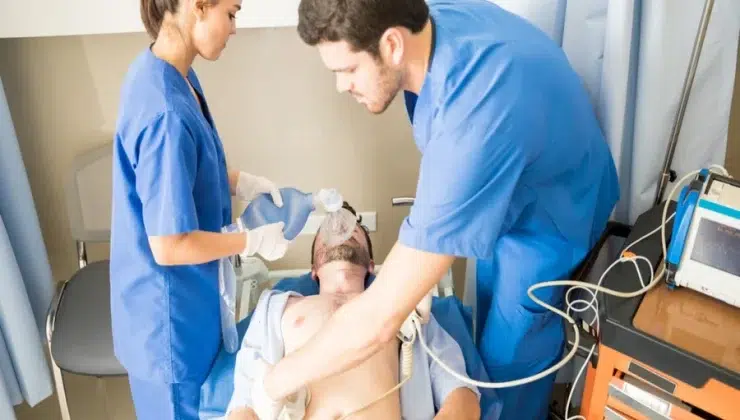
Emergencies in healthcare settings can happen without warning, and lives usually depend on quick, skilled action. That’s where advanced training steps in, giving professionals the confidence and ability to handle critical moments. More than a credential, this certification stands as a sign of true preparedness to save lives. From airway management to cardiac care, the journey prepares providers to deliver calm, structured responses when seconds matter most. If you’re considering this step, understanding the process can make the path much clearer.
Why Advanced Life Support Matters
Advanced life support courses are designed to teach healthcare staff how to manage serious emergencies. These programs cover a wide range of skills, from reading ECG rhythms to performing effective resuscitation techniques. The training helps participants move beyond basic first aid, offering structured methods that reduce errors under pressure.
With these skills in place, medical teams respond more efficiently and stay coordinated in the toughest moments. Quick access to proven protocols can mean the difference between recovery and loss. Hospitals and clinics view certification as a sign of preparedness, which usually enhances both professional credibility and patient trust.
What the Training Involves
The course itself blends theory with practical exercises. Participants learn to assess patients, stabilize airways, and use life-saving equipment with precision. Case-based simulations add realism, allowing learners to practice in scenarios that mirror real emergencies.
Hands-On Simulations
Learners work in realistic settings that replicate hospital or field conditions. This builds confidence and practical skills.
Guided Teamwork
Instructors encourage collaboration within small groups, ensuring each participant understands how to function as part of a coordinated response team.
By the end, trainees leave with the ability to apply standardized protocols while still making informed, situation-specific decisions.
Who Should Enroll in Certification
Certification isn’t limited to doctors. Nurses, paramedics, and other allied health professionals also benefit greatly. Anyone involved in direct patient care can gain valuable skills that support their role in emergencies.
- New clinicians build a strong foundation for managing critical cases.
- Experienced professionals continually refresh their knowledge and stay aligned with the latest guidelines.
- Healthcare organizations encourage staff to enroll, ensuring consistent care standards across teams.
For both individuals and institutions, certification represents an investment in safety and competence.
Benefits Beyond the Classroom
While the primary goal is to improve patient outcomes, the benefits of certification extend beyond this. Professionals gain confidence that empowers them during chaotic moments. They also earn credentials that can support career growth, making them stronger candidates for advanced roles.
Stronger Teamwork
Healthcare providers who train together communicate better in emergencies, leading to faster and more effective care.
Greater Efficiency
- Hospitals see fewer delays in delivering treatment, as certified staff respond with clear protocols and confidence.
- Shared knowledge from the training fosters unity within medical teams, leading to smoother patient care overall.
How to Select the Right Certification Path
Certification programs vary in quality, so it’s essential to select one that aligns with your specific needs. Look for options accredited by recognized medical bodies to ensure quality and reliability. Some providers, like those offering face-to-face sessions in clinical settings, combine lectures with realistic simulations.
When comparing options, consider:
- Accreditation to ensure the program meets global standards.
- Format that fits your schedule, such as blended or in-person learning.
- Flexibility to balance professional duties with training time.
By reviewing these details, you’ll find a program that suits both your career goals and learning style.
Certification in advanced life support courses represents more than professional development. It equips healthcare workers with the skills and confidence to act swiftly when lives are at stake. A trusted program, steady commitment, and consistent practice prepare you to respond with calm and confidence in real emergencies. For patients, this preparation can mean the world. For professionals, it becomes a lasting mark of dedication to quality care.