Understanding Pico Laser: Why Shorter Pulses Deliver Better Skin Results

Laser treatments have come a long way over the last decade — evolving from traditional heat-based systems to more precise technologies that work faster, with less skin trauma. Among these innovations, Pico Laser stands out for its unique use of ultra-short energy pulses. But what exactly does that mean, and why does it matter for your skin?
Pico Laser refers to a class of laser technology that delivers energy in picoseconds — one trillionth of a second. These incredibly short bursts allow the laser to target pigmentation, acne scars, and uneven skin tone more precisely than older systems. The result? Better outcomes, less irritation, and faster recovery.
Whether you’re new to laser treatments or considering switching from traditional options, understanding how Pico technology works can help you make more informed decisions about your skin care.
What Does “Picosecond” Really Mean?
In laser dermatology, the pulse duration — how long the laser energy stays in contact with the skin — plays a major role in treatment effectiveness and safety.
- Traditional lasers (such as Q-switched lasers) deliver energy in nanoseconds — one billionth of a second
- Pico Lasers deliver energy in picoseconds — one trillionth of a second
This timing difference may seem minimal, but in dermatology, it creates a significant impact. Shorter pulses allow the laser to shatter pigment particles more finely and efficiently, reducing the energy needed per pulse. This means less heat generation, lower risk of side effects, and a gentler overall experience.
According to a comprehensive systematic review published in Lasers in Surgery and Medicine, picosecond lasers demonstrate enhanced results for pigmentation and scar treatments due to the mechanical, rather than thermal, effect they produce.
How Pico Laser Breaks Down Pigment More Effectively
One of the primary applications of Pico Laser is treating unwanted pigmentation, including sunspots, freckles, melasma, and post-acne marks. The laser works by delivering highly focused energy into the skin, breaking down pigment into microscopic particles.
Because the pulses are so brief, the laser energy doesn’t linger long enough to generate excessive heat. Instead, it uses a photoacoustic effect — essentially a controlled shockwave — to shatter pigment with remarkable precision.
This ultra-fine fragmentation allows your body’s lymphatic system to clear the particles more efficiently, leading to faster fading of dark spots with fewer treatment sessions. Recent research in Lasers in Medical Science confirms that this approach significantly reduces treatment time and improves patient outcomes.
For patients with melasma specifically, a 2023 systematic review and meta-analysis found that picosecond lasers showed superior efficacy compared to traditional nanosecond systems, with reduced risk of post-inflammatory complications.
Stimulating Collagen Without Surface Damage
Pico Laser doesn’t just break down pigment — it also encourages your skin to produce more collagen and elastin, essential proteins for smooth, youthful-looking skin. Unlike ablative lasers that physically remove skin layers to trigger healing, Pico Laser works beneath the surface while keeping the outer layer intact.
This makes it an excellent option for treating:
- Acne scars
- Fine lines
- Textural irregularities
- Enlarged pores
Because the treatment bypasses the skin’s surface, downtime is minimal. You might experience mild redness or warmth immediately after treatment, but you can usually resume normal activities the same day.
Current research in fractional picosecond treatments shows that these lasers effectively stimulate dermal remodelling with significantly less discomfort and faster recovery than conventional laser systems.
Why Shorter Pulses Mean a Safer Experience
Many patients worry about side effects from laser treatments — particularly post-inflammatory hyperpigmentation (PIH), burns, or long recovery times. This is especially true for those with darker skin tones, who are more sensitive to heat-based procedures.
Pico Laser reduces these risks in several ways:
- Minimal thermal energy: Less heat means less inflammation and a lower chance of pigmentation issues.
- Selective targeting: The laser focuses only on the treatment area, sparing surrounding healthy skin.
- Suitable for a broader range of skin types: Because of the reduced heat damage, Pico Laser is more adaptable across skin tones.
These factors contribute to a more comfortable and consistent treatment experience, with fewer complications compared to older laser systems.
What You Can Expect from a Pico Laser Session
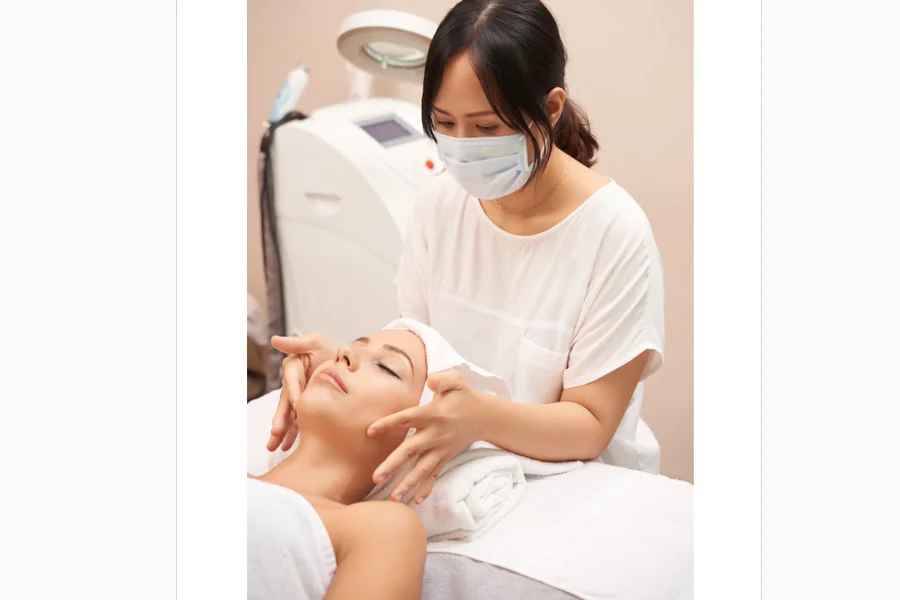
Each session typically lasts 15 to 30 minutes, depending on the size of the area being treated. A mild stinging sensation may be felt during the procedure, often compared to the snap of a rubber band.
You may notice:
- Light redness for a few hours
- Slight darkening of pigment spots before they flake off
- Gradual fading of pigmentation over several weeks
For best results, most people require 3 to 6 sessions, spaced about 4 to 6 weeks apart. Improvements continue even after your final session, as collagen remodelling can take several months.
Pico Laser vs. Traditional Lasers: A Quick Comparison
| Feature | Pico Laser | Traditional Lasers (Q-switched, fractional) |
| Pulse Duration | Picoseconds (1 trillionth/sec) | Nanoseconds or longer |
| Energy Delivery | Photoacoustic | Heat-based |
| Skin Recovery | Fast (minimal downtime) | Slower (may involve peeling/redness) |
| Pigment Breakdown | More precise, finer particles | Larger fragments |
| Collagen Stimulation | Yes, with minimal surface damage | Yes, may involve surface trauma |
| Suitable for Darker Skin | Generally safer | May carry higher risk of PIH |
Conclusion
If you’re looking for a skin treatment that delivers visible results with less discomfort and downtime, Pico Laser offers a thoughtful blend of science and precision. Its ultra-short pulse duration allows for effective pigmentation removal, acne scar treatment, and collagen stimulation — all while keeping your skin’s surface intact.
By understanding the technology behind Pico Laser, you can feel more confident in choosing a treatment that suits your skin type, lifestyle, and long-term goals. For the best outcomes, consult with a qualified provider who uses modern laser systems tailored to your specific needs.