Understanding IMMEX’s Tax-Efficient Framework: A Complete Beginner’s Guide
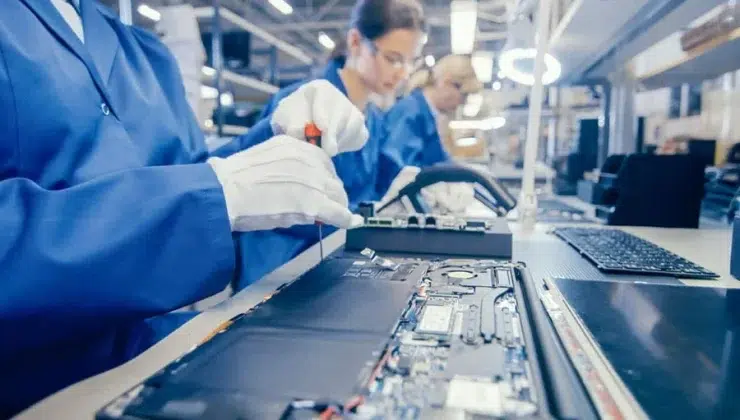
Mexico’s economic growth has been closely tied to its manufacturing sector, which continues to draw global attention due to its cost advantages, trade opportunities, and strategic location. One of the driving forces behind this growth is the IMMEX program, a government initiative aimed at promoting exports and attracting foreign investment. While the framework may seem complex at first, it serves as a crucial tool for companies seeking to operate efficiently in Mexico while leveraging various tax incentives. We will explore how IMMEX provides opportunities for businesses, why it matters in the global supply chain, and how beginners can begin to understand its impact on operations, tax efficiency, and international trade.
Breaking Down IMMEX’s Framework for Beginners
-
What IMMEX Is and Why It Exists
The IMMEX program, also known as the Maquiladora program, was created by the Mexican government to strengthen the country’s position in international trade. At its core, IMMEX enables foreign companies to temporarily import goods and materials into Mexico without incurring general import taxes or value-added tax (IVA), provided that these goods are used in the manufacturing process for export. Understanding IMMEX’s tax-efficient framework and compliance requirements is key to maximizing its advantages, since companies that properly align with these regulations can achieve smoother operations, lower costs, and stronger integration into Mexico’s export-driven economy.
For beginners, this means companies can bring in raw materials, components, or machinery, use them for production in Mexico, and then export finished goods without being taxed multiple times. The program aims to make Mexico a more competitive manufacturing hub, attracting companies from industries such as automotive, electronics, aerospace, and textiles. Without IMMEX, many businesses would face higher costs and more complex tax obligations, which could discourage investment in the region.
-
Tax Efficiency at the Heart of IMMEX
One of the most appealing aspects of IMMEX is its tax framework. Companies enrolled in the program can avoid paying the 16% value-added tax on temporarily imported goods, which creates significant cost savings for businesses operating in Mexico. Additionally, IMMEX supports smoother cash flow, as businesses are not required to wait for tax refunds or deal with cumbersome reimbursement processes.
From a beginner’s perspective, the idea is simple: IMMEX lowers upfront costs and reduces barriers to trade, making it easier for companies to operate and grow. This tax efficiency is not just about immediate savings, but also about providing companies with predictability in their financial planning. By minimizing tax exposure, companies gain stability, which is critical in long-term strategic decision-making. For international businesses, this efficiency can determine whether Mexico is chosen over other countries as a manufacturing base.
-
Operational Benefits Beyond Taxes
While IMMEX is primarily known for tax relief, its advantages extend into operational areas. Participating companies benefit from simplified customs procedures, allowing them to import and export with fewer delays. This means faster supply chains and better responsiveness to global market demands. For example, in industries where timing is critical—such as electronics manufacturing—IMMEX enables the timely meeting of production deadlines without being hindered by bureaucratic processes.
Additionally, IMMEX-certified companies often gain credibility with suppliers and trade partners because the program demonstrates compliance with Mexican trade laws. For beginners, this highlights that IMMEX is not just a tax advantage but a framework that fosters efficiency throughout the business cycle. The program also opens doors for partnerships with local suppliers, further strengthening the integration of businesses into Mexico’s growing industrial landscape.
-
Eligibility and Participation Requirements
To access the benefits of IMMEX, companies must meet specific requirements, including registering with Mexico’s Ministry of Economy and fulfilling reporting obligations. A company must demonstrate that it exports goods or services and that its operations contribute to Mexico’s trade goals. For beginners, understanding eligibility is crucial because IMMEX is not automatically granted; it requires proper documentation, legal compliance, and ongoing monitoring to ensure businesses follow the rules.
Participants must keep precise records of imports, exports, and production processes, which ensures that tax benefits are granted only to businesses actively engaged in export-oriented activities. While this may seem complex, the requirements are structured to strike a balance between opportunity and accountability, ensuring that IMMEX remains a sustainable tool for Mexico’s economy. For many new investors, learning these requirements is the first step to successfully entering the Mexican market.
-
How IMMEX Shapes Global Trade Decisions
On a larger scale, IMMEX plays an important role in shaping how companies make global trade decisions. For multinational corporations, choosing where to establish production facilities involves balancing costs, logistics, and trade advantages. IMMEX directly influences this decision by positioning Mexico as a competitive alternative to other manufacturing hubs, such as China or Eastern Europe. The program’s tax savings, combined with Mexico’s proximity to the United States and access to international trade agreements, make it highly attractive for companies seeking efficiency and reduced risk.
For beginners, the takeaway is that IMMEX is not just a local incentive; it is a global strategy tool. By understanding its impact, businesses can align production with international market needs while maintaining financial advantages. The program is a key reason why Mexico continues to expand its role in global supply chains and why foreign investors view it as an appealing destination for long-term growth.
Understanding IMMEX’s tax-efficient framework is essential for businesses considering Mexico as a production hub. By allowing temporary imports without taxes, streamlining customs procedures, and ensuring compliance, IMMEX creates a pathway for companies to save money, enhance their operations, and compete effectively in global markets. For beginners, learning its requirements and advantages is the first step to making informed decisions in international trade. As Mexico continues to play a key role in global manufacturing, IMMEX remains one of the most powerful tools available for companies seeking sustainable growth and efficiency.