Rethinking Kitchen Accessibility: Why A Kitchen Chair With Wheels For Disabled Users Can Transform Daily Life
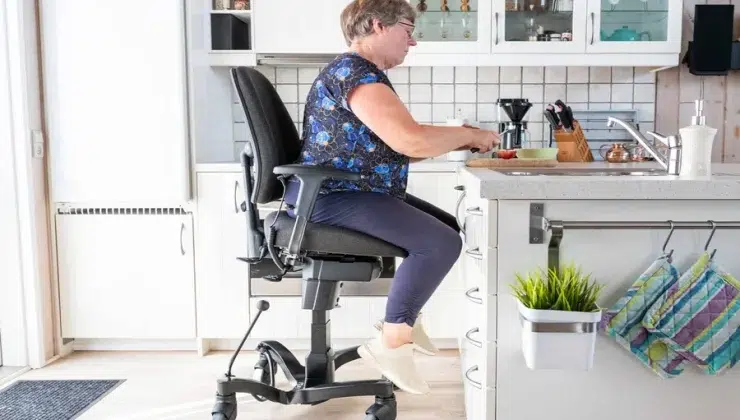
Accessibility isn’t just a design trend — it’s a fundamental part of living with dignity, independence, and comfort. Whether someone experiences mobility challenges due to disability, chronic illness, injury, or aging, the home environment plays a powerful role in shaping daily routines. And while we often think about ramps, bathroom aids, or adjustable beds, there’s one overlooked hero of independence: a kitchen chair with wheels for disabled users.
In many households, the kitchen is the hub of life — a place to cook, connect, create, and share experiences. But for people with mobility limitations, it can also become one of the most physically demanding rooms. Standing for long periods, moving between counters, or navigating tight spaces can quickly drain energy or pose safety risks.
This is where adaptive seating steps in, offering both support and renewed freedom.
The Kitchen: A Space Full of Barriers — and Opportunities
For many disabled individuals, the kitchen isn’t inaccessible because of food or tools — it’s the movement required. Reaching storage, transitioning between tasks, or simply getting comfortable at the table can require significant effort.
Common challenges include:
- Fatigue from standing while prepping food or washing dishes
- Balance difficulties that make reaching or multitasking risky
- Joint or muscle pain from repetitive motions
- Limited mobility that makes moving around the kitchen slow or unsafe
- Difficulty transferring to low or non-supportive chairs
A well-designed mobility chair doesn’t just reduce these challenges — it transforms them into manageable, even enjoyable, everyday tasks.
Why Wheeled Seating Belongs in Every Accessible Kitchen
Adding wheels to a kitchen chair might seem like a small change, but for disabled users, it can be life-changing.
1. Move Smoothly Between Work Areas
Instead of repeatedly standing up, pivoting, and adjusting, users can simply glide from stove to counter to sink. This saves energy and reduces strain on joints and muscles.
2. Reduce the Risk of Slips, Trips, and Falls
A stable rolling chair with an effective braking system allows users to move freely while staying secure once positioned. Locking wheels provide the confidence needed for tasks that require precision, like chopping or mixing.
3. Support for Fatigue and Chronic Pain
Many disabled individuals deal with fluctuating energy levels. Rolling chairs allow for seated cooking and cleaning, preventing overexertion and making the kitchen more inclusive for varying abilities.
4. Encourages Independence and Autonomy
For someone who relies on others for mobility, being able to navigate the kitchen independently is a huge emotional boost. It restores a sense of self-sufficiency and control.
A Modern Example: Mobility-Enhanced Kitchen Chairs
Today’s assistive furniture blends function with thoughtful design. A strong example is the kitchen mobility seating developed by VELA, known for combining Scandinavian aesthetics with clinical-level support.
Their kitchen chair with wheels for disabled users is engineered to empower safe, efficient, and comfortable movement around the kitchen. Key features include:
- Smooth, quiet wheels that glide across kitchen floors
- A central braking system for stability during cooking or cleaning
- Height adjustment to reach countertops or tables comfortably
- Supportive, ergonomic cushioning for long sitting periods
- Optional armrests and accessories for personalized comfort
The result is not a “medical chair,” but a piece of furniture that feels modern, tasteful, and empowering — fitting naturally into home life rather than standing out as equipment.
For many disabled users, this kind of chair becomes more than a seat — it becomes a daily mobility tool, a reliable companion for autonomy, and a core part of a safe, accessible home.
Real-Life Impact: Accessibility That Brings Joy Back Into Daily Routines
Picture this:
You’re preparing a meal you love, but instead of standing until your legs ache or asking someone to help at every step, you’re comfortably seated. You glide to the fridge, then to the counter, then to the stove. You lock the chair in place, chop ingredients securely, then roll to the table to set your plate.
This isn’t just convenience — it’s empowerment.
A wheeled kitchen chair lets disabled users rediscover the joy of cooking, creating, and participating fully in household life. It supports independence, saves energy for the moments that matter, and turns the kitchen back into a welcoming, functional space.
Accessibility Should Feel Normal — Not Clinical
One of the biggest shifts in modern accessibility design is the move away from sterile, medical-looking equipment. Today’s mobility-support solutions are subtle, stylish, and built to blend into everyday home aesthetics.
Adaptive furniture like VELA’s wheeled kitchen chairs is part of this movement. They reflect a new understanding: accessibility isn’t about limitation — it’s about liberation.
Creating a Kitchen That Works for Everyone
Whether you’re designing an accessible space for yourself, a family member, or a client, consider starting with small, high-impact changes:
- Ensure clear pathways
- Improve lighting
- Organize tools within easy reach
- Use anti-slip flooring or mats
- Introduce mobility-support seating like a wheeled kitchen chair
These simple adjustments can dramatically increase comfort and confidence in the kitchen.
Welcome to Inclusive Living
Accessibility doesn’t have to feel like a compromise. When thoughtfully designed, accessible furniture can enhance both the look and function of a home.
A kitchen chair with wheels for disabled users does more than support movement — it supports dignity, freedom, and a life lived on one’s own terms. For anyone seeking a smarter, safer, more empowering kitchen setup, adaptive seating is a deeply meaningful place to start.
Explore innovative mobility-focused kitchen seating options here: