How to Protect Your Deck or Patio While Still Enjoying a Garden
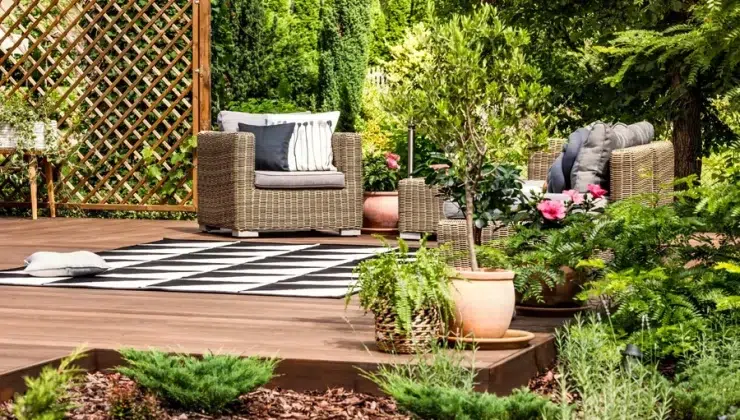
There’s something frustrating about finally getting your patio or deck looking exactly how you want it, filling it with beautiful plants in heavy ceramic pots, only to discover a few months later that you’ve got water stains, scratches, or worse – actual structural damage from all that weight sitting in one spot.
Most people don’t think about this stuff until it’s too late. You see a gorgeous planter at the garden center, bring it home, fill it with soil and plants, and set it down wherever it looks best. The problem is, that “wherever it looks best” might be slowly destroying the surface underneath it.
The Damage You Don’t See Coming
Decking and patio surfaces seem tough enough. They’re designed for outdoor use, they handle weather and foot traffic, so a few pots shouldn’t be a big deal, right? Here’s the thing though – constant moisture is different from rain that dries out. When you’ve got a large pot sitting directly on wood or composite decking, that drainage water pools underneath. Even with drainage holes (and some people forget those entirely), you’re creating a perfect environment for rot, mold, and discoloration.
Concrete and stone pavers handle moisture better, but they’ve got their own issues. Heavy pots create pressure points. If your patio isn’t perfectly level or the base wasn’t properly compacted, those pressure points can cause settling or cracking over time. And dragging a 50-pound pot across pavers to adjust its position? You’re basically using it as sandpaper against your surface.
Composite decking costs a fortune to install. Regular wood decking needs maintenance but at least you can refinish it. Once you’ve stained or scratched composite materials, you’re often looking at board replacement. Not exactly the relaxing garden experience you were going for.
Weight Distribution Matters More Than You Think
Garden soil is heavy. Really heavy. A large pot filled with quality potting mix can easily weigh 80 to 100 pounds before you even add the plant. Now multiply that by however many containers you’ve got out there, and you’re putting serious strain on your deck or patio structure.
Decks have weight limits. Those limits account for furniture, people, maybe a grill – but when you start adding multiple heavy planters that never move, you’re changing the load distribution in ways the original design might not have planned for. Spreading that weight out makes sense, but most people cluster their plants in the areas that get the best light or look most attractive.
This is where mobility becomes your friend. If you can easily move your larger pots around, even just occasionally, you avoid creating permanent stress points. You also avoid those tell-tale squares of discoloration where a pot has been sitting for an entire season. Using Plant Trolleys under your heavier containers lets you shift things around without the wrestling match, and the wheels distribute weight more evenly than a pot sitting flat on a surface.
The Water Problem Nobody Talks About Enough
Drainage trays seem like the obvious solution. You put them under your pots, they catch the excess water, problem solved. Except most people forget to empty them. Or they don’t realize that on hot days, that standing water can actually create more humidity and heat damage to the surface underneath than just letting it drain away would have.
Wooden decking especially suffers from this. You think you’re protecting it by catching all the water, but you’re actually keeping the wood in constant contact with moisture. Wood needs to dry out between waterings. Those drainage trays can trap moisture against the deck boards, leading to soft spots, warping, or accelerated deterioration of any sealant you’ve applied.
Better drainage solutions involve creating airflow underneath your pots. Raising them even slightly off the surface lets air circulate and lets water actually drain away instead of sitting in a puddle. Some people use pot feet, which work fine for smaller containers. For larger, heavier pots though, you need something more substantial that can handle the weight without sinking into softer decking materials or tipping over.
Seasonal Movement Is Harder Than It Sounds
If you live anywhere with actual seasons, you know that some plants need protection when temperatures drop. That beautiful citrus tree in its massive terracotta pot? It needs to come inside or at least move to a sheltered spot before the first frost. That ornamental grass that looked perfect in full sun all summer? It might need shade protection during the hottest weeks.
The reality is that most people just… don’t move their plants. It’s too much work. Too heavy. Too awkward. So plants either suffer in less-than-ideal conditions, or they get left in one spot year-round, which brings us back to the damage problem.
Being able to actually move your containers when you need to isn’t just about plant health – it’s about maintaining flexibility in how you use your outdoor space. Maybe you want to rearrange for a party. Maybe you need to access a storage area. Maybe you’re finally getting around to power washing the deck and need everything out of the way.
Materials That Hold Up Better
Not all surfaces are equally vulnerable, but all of them can be damaged with enough time and carelessness. Pressure-treated wood is more rot-resistant than regular lumber, but it’s not invincible. Composite decking resists moisture damage better but scratches more easily. Natural stone is incredibly durable but can stain from tannins in potting soil or fertilizer runoff.
If you’re planning a new patio or deck and you know you want a serious container garden, factor that into your material choices from the start. Thicker pavers can handle weight better. Properly sealed wood gives you more time before moisture damage sets in. But even with the best materials, protection and mobility make a huge difference in how long your surfaces stay looking good.
The Rental Property Consideration
If you’re renting, surface damage becomes an even bigger concern. You want to enjoy your outdoor space, but you also don’t want to lose your security deposit because you’ve left stains, scratches, or structural damage on a deck or patio that isn’t yours.
This is where removable, non-damaging solutions become essential. You need to be able to have your garden but also restore the space to its original condition when you move out. Anything that creates airflow, prevents direct contact with surfaces, and makes plants easy to relocate works in your favor.
Making It Actually Work Long-Term
The goal isn’t to avoid having plants on your deck or patio – that defeats the entire purpose of having outdoor space. The goal is setting things up so you can enjoy your garden without the constant worry about what’s happening underneath those pots.
Start by being realistic about what you can physically manage. If moving a pot requires two people and a lot of swearing, you’re probably not going to move it when you should. If checking for moisture damage means moving furniture and heavy containers, you’re not going to check regularly.
Think about your space as something dynamic rather than static. The best outdoor gardens aren’t the ones where everything gets placed once and never moves – they’re the ones where you can adapt to the seasons, the weather, and your own changing needs without it being a major production every time.
Your deck or patio represents a significant investment. Your plants represent time, money, and effort. Protecting both doesn’t require elaborate systems or expensive solutions – it just requires thinking ahead about how weight, water, and mobility factor into your setup from the start.