Minimalism and Emotion: Redefining Modern Architecture
Minimalism has always carried a quiet strength. It is not about the absence of design, but about creating meaning through restraint, letting every line, material, and light source tell its own story. In architecture, this philosophy is not just aesthetic; it’s emotional. Clean spaces invite calm, open areas inspire clarity, and the balance between light and shadow has the power to influence how we feel within a room.
Over the past decade, minimalism has evolved from a trend into a lifestyle. It speaks to our collective desire to slow down and rediscover what truly matters. Today’s architects don’t just build walls, they craft moods. A minimalist home, office, or public space can be both visually soothing and deeply human if the design resonates with emotion.
Where Art and Architecture Intersect
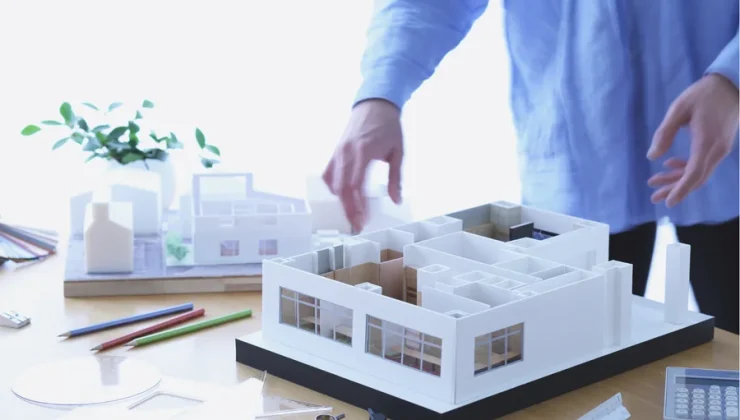
Modern architects are rethinking how emotion fits into functionality. A growing number of architectural studio teams are blurring the boundaries between art and engineering, creating spaces that feel alive rather than static. These studios often start with a simple question: How should people feel here?
This shift marks a new era where design becomes experiential. The tactile warmth of wood, the echo of footsteps on concrete, the way sunlight softens a sharp edge, these subtle interactions define how we connect with our surroundings. An architectural studio today is less about drawing perfect plans and more about orchestrating sensory harmony. The result is architecture that doesn’t just look modern, but feels human.
Materials with Meaning
In the minimalist world, materials speak louder than decoration. Architects choose elements that tell a story, raw concrete for honesty, soft linen for comfort, recycled wood for memory. These materials invite touch and interaction rather than visual clutter. The texture of a wall or the grain of a table can evoke warmth and familiarity in a space that otherwise celebrates simplicity.
This design philosophy aligns with sustainability too. Minimalist architecture often embraces natural, long-lasting materials that age gracefully over time. A building designed with emotional minimalism isn’t meant to impress instantly, but to grow on us — to feel better each time we return.
The Emotional Minimalist Home
The modern minimalist home is not cold or impersonal. On the contrary, it’s filled with intention. Every object serves a purpose, every color has a reason to exist. It’s a visual symphony of light, texture, and balance that quietly supports daily life rather than overwhelming it.
Large windows blur the boundary between indoors and outdoors, allowing nature to become part of the design. Hidden storage keeps visual noise to a minimum, while soft textiles and warm lighting add depth and warmth. The result is a space that doesn’t demand attention but offers peace — a refuge from overstimulation.
The Future of Feeling
As cities grow louder and digital life becomes faster, minimalism is no longer just a visual preference — it’s an emotional necessity. The new generation of architects understands that well-being starts with space. A thoughtfully designed environment can help us think better, rest deeper, and live more fully.
Emotionally intelligent architecture reminds us that design is not only about how a place looks, but how it makes us feel. The minimalist future isn’t empty; it’s mindful. It leaves room — literally and metaphorically — for what matters most: connection, clarity, and calm.