Why Do Women Choose to Donate Their Eggs?
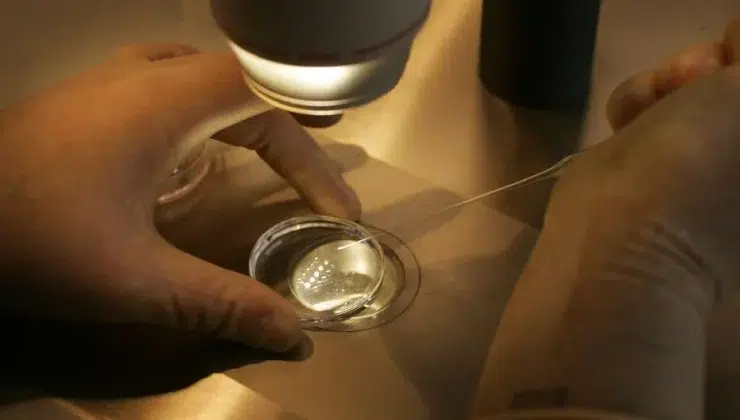
Choosing to donate one’s eggs is a decision that many women take, almost every year. It’s a deeply personal and altruistic choice that stems from the commitment to helping others in their times of need. But beyond compassion, what exactly drives so many women to take this remarkable step?
The motivation behind egg donation in London and throughout the UK is born from the interplay of many factors – from generosity to personal circumstances. So, keeping that as the target for this guide, let us go over potential factors that could lead a woman to this life-altering choice.
What does the donation process look like?
Understanding what the egg donation process involves, is the first step in decoding the donor’s reasons for donation. At the start of this process, the potential donors are first asked to undergo a series of tests such as blood-work, genetic screening, and a detailed review of health history. If they receive the green light, they are then redirected to receive counselling which ensures them to understand the implications of their choice. Here, the donor is asked to consider both the short and long term effects of donating their eggs, before going any further.
Once the process is complete, the treatment itself begins. It first involves a series of hormone injections that stimulate the ovaries to produce multiple eggs. When these eggs are ready, they are collected through a small surgery under sedation.
It should be clear at this point that throughout this process, donors make some real sacrifices to give back to someone else. They adjust their entire lives, manage the side effects of medications, work through the physical demands of the process – just to help another create a family. To put it simply: It’s a noble cause that makes every challenge feel worthwhile.
What are the altruistic factors behind egg donation?
For most egg donors, the main factor driving their decision is helping a couple that can’t get pregnant naturally. But even in this case of altruism, the exact reason for donating their eggs can vary across individuals.
Reason 1: Helping families with no children
The heartbreaking reality is that many women find themselves unable to conceive with their own eggs. It could be that they have undergone a treatment that left their ovaries damaged. Or they were born with premature ovarian failure. Perhaps, they are a same-sex couple or an individual parent with the desire to raise a child.
Whatever the case may be – these people find becoming a biological parent to be an impossibility without external help. That is precisely where many egg donors step in – they understand that this one act can change someone’s life forever, and are willing to help people achieve the dream of parenthood.
Reason 2: Giving back to humanity
There are donors out there who may have witnessed friends or family members struggle with infertility. There are also those who may have simply reflected on what a gift it is to bring a new life into this world. When faced with such intensely powerful experiences, does it not make perfect sense to offer life’s biggest gift to those who seek it?
A lot of the time, women who have completed their own families are the ones drawn to the prospect of donation. Having firsthand knowledge of giving birth and the joy of raising their own child, they donate their eggs to make experiencing the same joy possible for the less fortunate.
Reason 3: Empathy
When you can place yourself in another’s shoes, feel their pain, and understand their longing, it can be difficult to simply stand by and do nothing. If you ever speak to egg donors, you’ll often hear them coming across stories of couples struggling with infertility and, as a result, feeling a mix of sadness and sympathy for them.
These emotions are often the catalyst that pushes women to donate their eggs. It’s a recognition of shared humanity – to help people who dream of bedtime stories, scraped knees, school plays, and all the beauty that comes with raising children.
Reason 4: Contributing to research
Though not as common as the reasons discussed so far, some women choose to donate their eggs specifically for research purposes. Over the years, thanks to such donors, many of the groundbreaking techniques and treatments of modern medicine have developed – contributing to a legacy that goes far beyond helping an individual family.
What are the financial and personal factors driving egg donations?
Of course, beyond the altruistic drivers, there are a couple of practical reasons that also influence some women’s decisions.
Reason 5: Financial compensation
While egg donation operates under strict altruistic principles, donors can receive a compensation of up to £750 to cover for their travel, accommodation, childcare, and time away from work – more on this in the next section.
Reason 6: Sense of achievement
Perhaps the simplest reason of all is how most donors simply feel proud of this act and want to take part in this process themselves. Donating your eggs is not an easy process to undergo, after all – it requires commitment, medical appointments, hormonal injections, and a minor surgical procedure. If someone decides to go through with the donation, they have every right to feel proud of their decision.
How much does a donor egg cost in the UK?
Let’s dive a little deeper into the financial side of things, both from the donor and the recipient’s perspectives. As mentioned previously, there is a compensation of up to £750 for women who choose to donate their eggs. The reason why this compensation level is deliberately set low is that financial need alone must never drive egg donations. Not to mention that it is illegal to pay for eggs themselves – this money is simply an acknowledgement of the donors’ time and expenses.
For the recipients, egg donation involves a choice between fresh or frozen eggs. Fresh egg donation cycles typically cost more, but may yield more eggs. It also requires a bit of careful coordination between the two parties, as the donor’s ovarian stimulation must align with the recipient’s womb preparation.
On the other hand, frozen egg donation cycles offer more flexibility, are a little less expensive, and the recipient is allowed to get started immediately. The only downside is that not all frozen eggs may survive the thawing process. One thing worth noting is that doctors always recommend budgeting for the possibility of additional cycles, as success is not guaranteed on the first attempt. So keep that in mind as you make a choice between the two treatments.
On their part, good fertility clinics will always remain transparent in pricing and will break down every aspect of the treatment for your convenience. These include screening tests, medications, monitoring appointments, the egg collection procedure, fertilisation, and embryo transfer.
A decision deserving of endless praise
The common thread tying these reasons together is that they are all very human by nature. Yes – there are non-emotional reasons that may play a role in this decision, but in the end, the heart of an egg donation is composed mainly of generosity and compassion.
These women are nothing less than superheroes deserving of recognition and gratitude. They go through the tribulations of this process to help what is almost always a stranger. In doing so, they embody the best of human nature: our capacity to care for one another, to ease suffering, and to create hope where none previously existed.
If you’re someone considering an egg donation, remember that your choice to even explore this path is a reflection of your kindness and courage. For those of you who may be waiting for donor eggs – never forget that somewhere out there, a generous soul will always be ready to make your dreams come true.