Common Pediatric Dental Emergencies and How to Respond
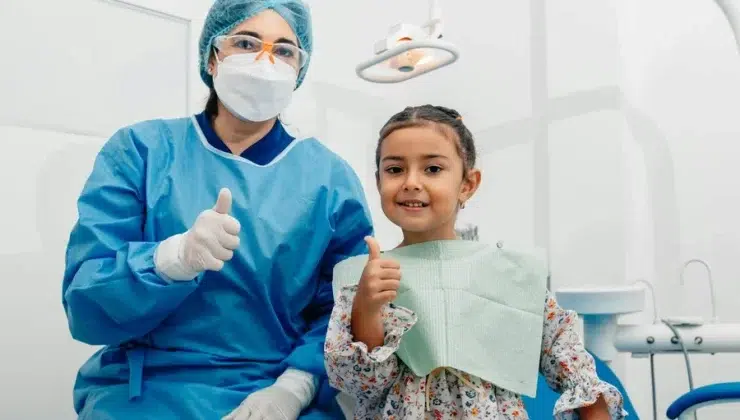
Parents often face sudden dental issues in children, from knocked-out teeth to severe toothaches. Knowing what is urgent and what can wait prevents complications and eases stress. Evidence-based steps—like when to reinsert a tooth, how to control bleeding, and which pain relievers are safe—can protect a child’s smile. With clear signs to watch for and simple tools to keep at home, caregivers can act confidently when minutes matter. Here’s what to do next.
Recognizing True Dental Emergencies in Children
For many pediatric dental issues, time and calm examination make a critical difference. Parents benefit from clear recognition of dental problems to decide when urgent care is needed. True emergencies typically involve uncontrolled bleeding, rapidly worsening facial swelling, fever with oral swelling, inability to open the mouth, trauma causing severe pain, or a tooth pushed out of position. Subtle signs of dental pain—night waking, avoiding cold or sweet foods, cheek rubbing, or sensitivity to chewing—warrant prompt but not panicked evaluation, with guidance available through urgent care for pediatric dental care.
Evidence supports evaluating airway, breathing, and swelling first; facial swelling that spreads or affects swallowing requires same-day attention. Persistent toothache with swelling or fever suggests infection. A broken tooth with sharp edges or deep fracture deserves urgent care to prevent infection and relieve pain. Mild sensitivity without swelling can often wait for the dentist’s next available visit. When in doubt, parents should call the child’s dentist for guidance and appropriate timing.
Knocked-Out Permanent Tooth: Immediate Steps to Save It
Even in the shock of a knocked-out permanent tooth (avulsion), swift, calm action can make the difference between saving and losing it. Evidence shows the best outcomes occur when the tooth is replaced within 30–60 minutes. Locate the tooth, pick it up by the white crown—avoid touching the root to preserve condition of delicate cells. If visibly dirty, gently rinse for a few seconds with cold running water; do not scrub or use soap. If the child is cooperative, orient the tooth correctly and reinsert it into the socket with gentle pressure, then have the child bite on clean gauze.
If reinsertion is not possible, place the tooth in cold milk, saliva (inside the cheek for older children who won’t swallow it), or an emergency tooth preservation kit—never plain water. Control bleeding with gentle pressure. Seek urgent dental care or go to an emergency department immediately, bringing the tooth along.
Knocked-Out Baby Tooth: What to Do and What to Avoid
When a baby tooth is knocked out, parents are advised to focus on gentle first aid: control bleeding with light pressure, clean the area with water, and avoid replanting the tooth. Evidence-based guidance emphasizes keeping the child comfortable and checking for signs of injury to lips or gums. Parents should call a pediatric dentist promptly to confirm next steps and rule out damage to the underlying permanent tooth.
Immediate First Aid Steps
Two clear priorities guide parents after a baby tooth is knocked out: protect the child’s comfort and prevent further injury. Immediate steps are simple and safe. First, reassure the child and check for other injuries. Control bleeding by placing a clean gauze or soft cloth over the socket and gently applying pressure for 10–15 minutes. Have the child bite down if possible.
Do not attempt to reinsert a baby tooth. Instead, focus on cleaning wound edges: wipe away visible debris with saline or clean water; avoid scrubbing the socket. If lips or cheeks are cut, rinse lightly and continue gentle pressure. Apply a cold compress outside the mouth to reduce swelling. Offer age-appropriate pain relief as previously advised by a pediatrician. Keep any dislodged tooth for reference.
When to Call Dentist
After immediate first aid is complete, the next step is deciding if professional care is needed. For a knocked-out baby tooth, reimplantation is not recommended, but a prompt call to the pediatric dentist is. Identifying emergency needs includes checking for uncontrolled bleeding, tooth fragments possibly embedded in the gums or lips, severe pain, suspected jaw fracture, or a tooth that was not the only injury. Determining consultation necessity also includes changes in bite, tooth displacement of neighboring teeth, swelling, fever, or signs of aspiration (coughing, choking).
Parents should save the tooth for the dentist to assess root integrity and injury pattern. If the child is up to date on tetanus, systemic antibiotics are usually unnecessary. Seek same-day evaluation; visit urgent care or ER for heavy bleeding or head trauma.
Chipped or Fractured Tooth: First Aid and When to Call
A small chip or a deeper crack in a child’s tooth can look alarming, but prompt, calm steps reduce pain and protect the tooth. First, rinse the mouth gently with warm water to clear debris. If there is bleeding from the gum or lip, apply gentle pressure with clean gauze. A quick tooth crack assessment helps decide urgency: sensitivity to air or cold, a sharp edge, or visible yellow dentin suggests a same-day dental visit; a pink or red spot inside the tooth warrants urgent care.
Retrieve any broken fragment and store it in milk or saline. To prevent cuts and sensitivity, place a temporary tooth covering—dental wax, sugar-free gum, or orthodontic wax—over sharp edges. Offer cold compresses to limit swelling and use age-appropriate acetaminophen if needed. Avoid hard foods. Call the child’s dentist promptly; seek immediate care if the fracture is deep, the tooth is loose, or there was head trauma.
Severe Toothache: Pain Relief and Red Flags
Severe tooth pain in a child often signals inflammation or infection inside the tooth or gum, and timely action can prevent complications. Parents can begin with gentle pain management techniques: rinse with warm saltwater, floss to remove trapped debris, and apply a cold compress externally for 10–15 minutes. Over-the-counter analgesics (acetaminophen or ibuprofen, not aspirin) may be used according to weight-based dosing; topical numbing gels are generally not recommended for young children. Avoid heat and avoid placing aspirin on the tooth.
Red flags that warrant same-day dental evaluation include persistent, throbbing pain disrupting sleep, sensitivity to biting or temperature lasting more than 24 hours, visible deep cavity or broken filling, foul taste or bad breath localized to one tooth, gum tenderness or bleeding at one site, and pain following recent dental trauma. Identifying infection risk relies on monitoring escalating pain, fever without another source, reduced oral intake, or lethargy. Arrange prompt dental assessment to address the cause.
Dental Abscess and Facial Swelling: Urgent Care Guidelines
Swelling of the face or gum in a child, especially with a tender, pimple-like bump on the gum or a tooth that hurts to bite, often indicates a dental abscess that requires prompt dental care. Parents can stay calm: most cases improve quickly with timely evaluation, drainage, and appropriate antibiotics when indicated. Immediate same-day dental contact is advised; seek emergency care sooner if fever, spreading facial swelling, difficulty swallowing, or reduced alertness appears.
For a home dental emergency before the visit, offer weight‑appropriate acetaminophen or ibuprofen, keep the child hydrated, avoid heat to the face, and apply a cold compress intermittently. Do not pop the bump or start leftover antibiotics.
Dentists will confirm infection, relieve pressure, and address the source—pulp therapy or extraction for primary teeth, or root canal options for permanents. Treatment planning considerations include age, tooth restorability, cooperation, medical history, and anesthesia needs. Follow-up guarantees resolution and prevents recurrence through caries control and oral hygiene support.
Soft-Tissue Injuries: Bitten Tongue, Lip, or Cheek
Soft-tissue bites to the tongue, lip, or cheek are common in children and usually respond well to simple first aid: apply gentle pressure with clean gauze to stop bleeding, use a cool compress to limit swelling, and rinse with saline or clean water. Evidence supports seeking urgent dental or medical care if bleeding persists beyond 10–15 minutes, the wound is gaping or through-and-through, a tooth fragment may be embedded, or signs of infection or breathing difficulty appear. Parents can expect most minor injuries to heal quickly, with pain managed by weight-appropriate acetaminophen or ibuprofen unless otherwise advised.
Immediate First Aid Steps
When a child bites a tongue, lip, or cheek, prompt, calm care can limit bleeding, pain, and infection risk. Proper handling starts with clean hands. Immediate cleansing follows: gently rinse the mouth with cool water or saline to remove debris. For bleeding, apply firm, steady pressure with a clean gauze or cloth for 10 minutes without peeking. If the child tolerates it, use a cold compress on the outside of the cheek or lip in short intervals to reduce swelling. Encourage the child to spit, not swallow blood. For tongue injuries, position the child forward to prevent choking and use gauze to hold the tongue gently while applying pressure. Avoid irritants: hot, spicy, acidic foods, and mouthwashes containing alcohol. Keep the area clean.
When to Seek Care
After first aid has been started at home, parents can watch for signs that professional care is warranted. Seek urgent evaluation if bleeding persists beyond 10–15 minutes of firm pressure, the child cannot close the mouth, or there is a deep gash, tissue flap, or possible foreign debris. Fever, spreading swelling, foul odor, or pus suggests infection and requires prompt care. Difficulty breathing, drooling with inability to swallow, or worsening pain are emergency signs.
For Dental appointment timing, same-day assessment is advised for large tears, through-and-through lip wounds, or suspected nerve or duct involvement. Parental responsibilities include keeping the child calm, preventing chewing of the injury, maintaining gentle cleanliness with saline, and documenting the incident. Confirm tetanus status and use cold compresses while arranging care.
Orthodontic Emergencies: Loose Brackets and Poking Wires
Although orthodontic appliances can look alarming when something shifts, most loose brackets and poking wires are minor issues that can be safely managed at home until a dental visit. Parents benefit from a calm, stepwise approach: Troubleshooting loose brackets begins with checking if the bracket is still on the wire. If attached, leave it in place and cover with orthodontic wax to reduce irritation. If a bracket detaches and slides, gently guide it to a comfortable spot and secure with wax; avoid removing parts.
When managing protruding wires, use clean tweezers to nudge a wire end flat against the tooth. If it continues to poke, place wax over the tip; a small piece of sugarless gum can be a temporary substitute. For mouth soreness, offer saltwater rinses and age-appropriate acetaminophen or ibuprofen. Seek urgent care only for uncontrolled pain, swelling, infection signs, or if a wire punctures tissue. Otherwise, schedule a prompt orthodontic repair.
Preventing Dental Injuries: Safety Tips and Home Kits
Orthodontic hiccups are often manageable at home, and the same calm planning helps families prevent many dental injuries before they happen. Evidence supports simple steps: supervise play, use mouthguards for contact sports, and guarantee helmets fit correctly for biking and skating. Indoors, childproofing home reduces risks—pad sharp furniture edges, secure rugs, install stair gates, and keep hard toys off high-traffic floors. In bathrooms and kitchens, store slippery cleaners, glass, and heavy cookware out of reach.
Prepared households keep dental safety kits accessible. Essentials include: clean gauze, a small container with lid, saline or milk for knocked-out permanent teeth, a cold pack, a flashlight, gloves, dental wax, over-the-counter pain reliever appropriate for age, and the dentist’s emergency number. Parents practice calm response: control bleeding with pressure, place a dislodged permanent tooth in milk, and seek prompt care. Regular checkups and fluoride strengthen enamel, further lowering injury severity.
Frequently Asked Questions
What Dental Emergency Items Should Be in a School Nurse’s Kit?
A school nurse’s kit should include gloves, gauze, bandage supplies, cold packs, saline, a small container with lid, dental wax, cotton rolls, flashlight, tweezers, masks, pain medication per policy, emergency contacts, and referral forms—calm, evidence-guided essentials reassuring parents.
How Do I Find an Emergency Pediatric Dentist After Hours?
They should search their insurer’s directory for after hours appointments, check hospital dental departments, and review emergency dental clinic locations online. Calling the child’s dentist’s voicemail, local dental society, or pediatrician often yields on-call referrals and practical triage guidance.
Can Teething Ever Mimic a True Dental Emergency?
Yes, teething can mimic emergencies. Mild fever, irritability, and swollen gums are typical; however, excessive gum inflammation, high fever, facial swelling, or prolonged teething pain suggests infection or trauma. Parents should monitor hydration, offer analgesics, and seek prompt dental evaluation.
Are Dental Emergencies Covered by Typical Pediatric Insurance Plans?
Yes, many pediatric plans cover emergencies, though specifics vary. Parents should confirm Annual coverage limits, copays, and deductibles, and verify In network provider requirements. Evidence-based guidance suggests documenting the event, seeking urgent care promptly, and submitting itemized claims.
How Do I Prepare My Child for an Emergency Dental Visit?
They should calmly explain what will happen, schedule a familiar pediatric dentist, and practice deep breathing together. To prepare child for dental checkup and alleviate child’s dental anxiety, bring comfort items, use positive language, rehearse role-play, and confirm after-hours logistics.