Uncommon Symptoms Of Endometriosis That You Should Discuss With Your Doctor
Endometriosis is a condition where tissues resembling the uterine lining develop outside the uterus; this may cause pain and fertility problems. Testing for endometriosis helps in early detection and diagnosis, better treatment planning, and enhancing fertility. Here are some uncommon symptoms of endometriosis that women should discuss with their doctor:
Pelvic and Back Discomfort
Some women experience lower back and pelvic pain inconsistent with normal menstrual cramps; this pain may occur before, during, or after menstruation and has varying magnitudes. Unlike the normal cramping, chronic pelvic or back pain caused by endometriosis is a result of inflammation and cell proliferation outside the uterus. Understanding the pathology of pain distribution in the lower back and pelvic area indicates further development of endometriosis, requiring medical intervention. The pain may spread to the hips or thighs, and it is difficult to know when it is musculoskeletal-related. Inflammation caused by misplaced tissue also irritates the nerves, resulting in discomfort, different from the regular menstrual pain.
Gastrointestinal Changes
Endometriosis can cause gastrointestinal upsets similar to those of other digestive disorders. Symptoms include bloating, constipation, and alternating bowel movements that coincide with the menstrual cycle. These uncommon symptoms of endometriosis are sometimes mistaken for issues unassociated with reproductive health problems, but the periodic nature of the discomfort helps distinguish them.
The formation of lesions along the bowel or areas that influence the digestion may cause gastrointestinal alterations. These lesions cause inflammation, resulting in irregular bowel movements or swellings in the abdomen, unlike normal indigestion. The symptoms can increase during menstruation and decrease after the cycle. These structural variations justify the gastrointestinal problems being one of the disruptive symptoms of endometriosis.
Urinary Tract Symptoms
Changes in the bladder or urinary tract health are possible warning signs of infection; the symptoms manifest as pain during urination or a need to urinate frequently. Since these issues resemble urinary tract infections, they are sometimes treated without a proper diagnosis of endometriosis. The occurrence of the symptoms during the menstrual cycle is a preliminary sign that the endometrial tissue might be influencing the urinary system.
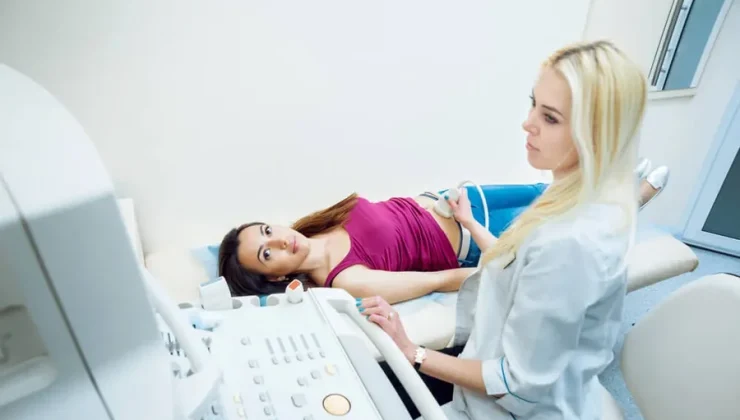
Imaging, such as ultrasound or MRI, is used to ascertain whether lesions are touching the bladder or other organs in the urinary tract. Laparoscopy provides a clear image of the tissue proliferation that routine imaging may not be able to detect. A full physical examination and outlining a history of pain help doctors determine if the bladder has endometriosis.
Respiratory Challenges
Breathing complications are rare and occur when endometrial tissue develops around the diaphragm or chest cavity. Symptoms include shortness of breath or pain in the upper abdomen and shoulders. Some women experience symptoms before a menstrual cycle or during intercourse. As these problems are similar to respiratory or musculoskeletal issues, they could be ascribed to other health conditions.
Through chest imaging or laparoscopic diagnostics, lesions in other parts of the body that are not related to reproductive health are able to be detected. Clinicians assess breathing symptoms and cycle patterns to determine whether they align with the altered hormones or are linked to endometriosis. Observing these symptom manifestations shows that the health care provider incorporates extra-pelvic and chest examinations of endometriosis.
Reduced Energy
Fatigue can be a rare symptom of endometriosis that develops in reaction to chronic inflammation, caused by tissue proliferation beyond the uterus. The immune response uses more energy to handle the infection, leaving women exhausted even with sufficient sleep. The extent of endometrial fatigue sometimes increases during menstruation, but it can carry on to other menstrual cycles.
Professionals may evaluate fatigue symptoms based on their associations with hormonal shifts and inflammatory indicators. Doctors also analyze cycle variations, nutrient levels, and immune reactions to determine if low energy does not result from an unhealthy lifestyle or sleep quality, but instead from poor reproductive health.
Get Testing for Uncommon Symptoms of Endometriosis
Endometriosis can cause uncommon symptoms affecting non-reproductive parts of the body, such as the gastrointestinal, urinary, musculoskeletal, and diaphragm systems. Unexplained symptoms could indicate a potential underlying tissue proliferation in areas other than the uterus. Diagnostic tests that identify endometrial activity outside the uterus are used to diagnose these symptoms. Work with professional reproductive specialists today and schedule a diagnosis for uncommon symptoms of endometriosis.