Does a Nebulizer Help with Shortness of Breath?
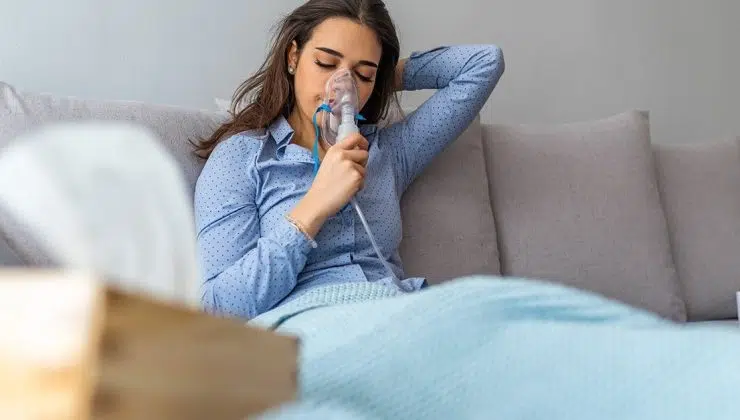
Shortness of breath can feel scary, sudden, and limiting. You might notice tightness in your chest, a struggle to take a deep breath, or a need to pause while speaking or walking.
In those moments, getting medicine or soothing mist directly into your airways can make a meaningful difference.
That’s exactly what a nebulizer does.
It turns liquid medicine (or sterile saline) into a fine mist you inhale through a mouthpiece or mask.
For many people, especially those with asthma, COPD, allergies, or frequent chest colds, a portable nebulizer becomes a practical, daily-life breathing tool.It fits in a bag, works quietly, and helps you treat symptoms wherever they show up.
How Nebulizers Help When You’re Short of Breath
When breathing feels tight, getting medicine directly where it works – your lungs – matters most. Nebulizers turn liquid medication (or sterile saline) into a fine mist that you breathe in normally, so relief doesn’t depend on perfect timing or strong inhalation effort.
That lung-targeted route can relax airway muscles, reduce irritation, and help mobilize mucus – key reasons clinicians use bronchodilators and other inhaled therapies during flare-ups of asthma or COPD.
Major guidelines emphasize inhaled therapy for symptom relief, while reminding clinicians to match the device to the patient’s ability to use it correctly.Particle size also matters for deposition: aerosols in roughly the 1–5 µm range reach lower airways efficiently, which is the therapeutic target in tight-breathing episodes.
Smaller particles generally penetrate deeper – one classic deposition study showed higher lung deposition with 1.5–3 µm vs 6 µm particles.
At the moment, the advantage is simplicity: during shortness of breath, tidal (normal) breathing through a nebulizer can be easier than coordinating a breath with an inhaler.
That’s especially true if you’re anxious, fatigued, or dealing with low inspiratory flow.
Nebulizer vs. Inhaler: What’s the Difference?
Effectiveness: For many acute asthma situations, a pressurized metered – dose inhaler with a spacer (pMDI+spacer) can work as well as a nebulizer for delivering short-acting bronchodilators in the emergency setting.Multiple systematic reviews and trials (adults and children) found no significant advantage of nebulizers over pMDI+spacer when doses are appropriately titrated.
Technique dependence: Inhalers require correct steps (exhale, actuate, inhale at the right speed, seal, hold breath).Real-world studies consistently show frequent “critical errors” that blunt benefit – even after teaching, a meaningful fraction of users still err.Nebulizers, by contrast, demand less coordination and inspiratory force.
Who might favor a nebulizer: People with shaky hands, arthritis, or low inspiratory flow; children or older adults struggling with technique; anyone who needs longer, steady aerosol delivery during a bad flare.COPD guidance also stresses individualizing device choice and checking technique regularly – switching devices (including to a nebulizer) can be appropriate if technique limits results.
Real-life snapshot: A 67-year-old with COPD and hand tremor keeps missing steps with a pMDI. After moving to a portable nebulizer for rescue therapy – and reviewing maintenance meds – her breathlessness episodes become easier to control because consistent dosing finally reaches the lungs.
Mesh Nebulizers vs. Traditional Jet Nebulizers
Jet nebulizers use compressed air, are bulkier/noisier, and can waste medication in tubing with longer treatment times (often 10–15+ minutes).
Vibrating-mesh nebulizers push liquid through a micro-perforated vibrating plate to produce a fine, consistent aerosol – typically quieter, smaller, and faster.
Read More: What You Should Know Before Buying an Ultrasonic Nebulizer
Efficiency & dose delivery:
A 2024 meta-analysis in COPD found vibrating-mesh devices delivered a greater emitted dose than jet nebulizers; newer reviews consistently report shorter treatments and lower residual volume with mesh.
Clinical outcomes can be similar, but mesh units often improve practicality and user satisfaction.
Treatment time & portability:
Tabled summaries show mesh treatments commonly finishing in <1–5 minutes vs 15–20 minutes for many jet models – helpful when you’re at work, traveling, or managing a child’s routine.
Caveats:
Mesh plates need regular cleaning to avoid clogging; suspensions (e.g., some steroids) may require specific device compatibility.
Follow your device’s instructions for cleaning and your clinician’s guidance for what solutions are safe to nebulize.
When a Nebulizer Can Help – And When to Call for Help
A nebulizer can support relief from wheezing, chest tightness, and cough with mucus. It’s often part of a plan for asthma, COPD, post-viral cough, or allergy-related chest symptoms. But if you have blue lips or fingertips, severe chest pain, confusion, or rapidly worsening breathing, call emergency services immediately. If your symptoms frequently require rescue medication, talk to your clinician about adjusting your long-term plan.
From Concept to Daily Life: Making Portable Nebulizing Work for You
Shortness of breath rarely arrives on your schedule.A portable unit lets you treat symptoms on your schedule.Carry it in your backpack, keep it by your bedside, or store it at your desk for fast access.Because sessions are quiet and quick, you can often treat discreetly – without disrupting your day.
Everyday Scenarios Where a Portable Nebulizer Shines
Morning chest tightness that needs gentle opening before you head out.Afternoon allergy flares from dust, pets, or seasonal triggers.After-work gym sessions when cold air or exertion nudges symptoms.Travel days when dry airplane air and schedule changes make breathing feel off.
What You Can Nebulize
Bronchodilators can relax airway muscles and ease tightness—usually prescribed by your clinician.
Sterile saline can add moisture and help loosen mucus—many people use isotonic or hypertonic saline as advised.
Anti-inflammatory medications are sometimes prescribed for specific conditions—use only as directed.
Note: Never nebulize oils, non-sterile solutions, or anything your clinician hasn’t approved.
How to Use a Portable Nebulizer for Shortness of Breath
Wash your hands and sit upright to help your lungs expand.Measure your medication or saline exactly as directed by your clinician or the label.Attach the medicine cup, mouthpiece or mask, and power on the device.
Seal lips around the mouthpiece (or fit the mask snugly) and breathe normally.Hold each inhale for a second or two before exhaling to improve lung deposition.
Continue until you no longer see mist or the session ends per your device’s instructions.Rinse and air-dry the mouthpiece/mask and cup after each use to prevent buildup.Follow your device’s cleaning schedule for the mesh plate and internals.
Safety, Side Effects, and Smart Habits
Some medicines may cause jitteriness, dry mouth, or a mild fast heartbeat – ask your clinician what to expect.
Track how often you need your rescue sessions; frequent use may signal a plan that needs updating.
Replace filters and parts on schedule to keep performance strong.Store sterile solutions properly and check expiration dates.Bring your device and meds to checkups so your care team can confirm your technique.
The Case for a Portable Mesh Unit in Daily Life
Portability turns treatment from a chore into a routine you’ll actually follow.Quiet operation means you can use it without drawing attention.Mesh technology delivers a consistent, fine mist for efficient sessions.Battery power lets you treat anywhere – no wall plug or compressor needed.If you’re looking for a dependable breathing treatment machine for everyday relief, a portable mesh nebulizer is a strong choice.
Do I need a prescription for a breathing treatment machine?
In many places, the device itself can be purchased without a prescription. However, many medications used in a nebulizer do require a prescription. Sterile saline is often available over the counter, but always confirmed locally.Check your country’s rules and follow your clinician’s advice on what to use.
Where can I buy a breathing treatment machine?
You can purchase directly from TruNeb for a portable mesh unit built for daily, on-the-go use.For product details, features, and ordering, see the TruNeb™ breathing treatment machine page.
Can a nebulizer replace my inhaler?
Not always – each tool has a role.Some people use both, depending on their plan and symptoms.Your clinician can advise when to use an inhaler vs. a nebulizer for best results.
How fast will I feel relief?
Many people feel improvement during or shortly after a session.The exact timing depends on the medication, dose, and your condition.If you’re not improving as expected, seek medical guidance promptly.
Is a portable nebulizer safe for kids?
Portable mesh nebulizers are often used for children with clinician guidance.Doses, masks, and technique should be tailored by a pediatric professional.Never start or change a child’s therapy without medical advice.
The Bottom Line
Yes – a nebulizer can help shortness of breath by delivering soothing mist and lung-targeted medication.A portable mesh nebulizer makes that help available anywhere your day takes you.Build it into your routine so relief is never out of reach.And if you’re ready to keep a reliable device on hand, explore the TruNeb™ breathing treatment machine and breathe easier with confidence.