How To Get Ready For An Oregon Vacation
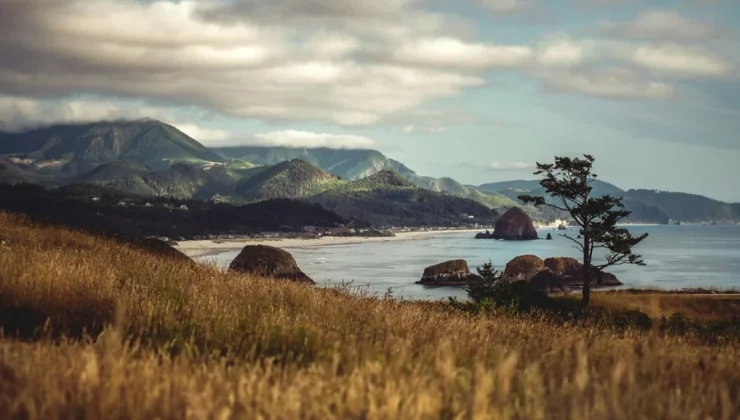
Ever paused mid-complaint about humidity or traffic and thought, “I’ll just escape to Oregon,” only to freeze when the planning begins? You’re picturing lush forests, dramatic coastline, and that quiet luxury of a not-too-crowded trail. But getting there without the usual travel stress means preparing ahead. In this blog, we will share what you need to know before you pack.
Gear Up for Oregon’s Natural Classroom
Oregon isn’t just another vacation spot. It’s a living, breathing classroom where weather, terrain, and light shift every hour. Planning means more than a checklist. It means paying attention to timing, logistics, and local flow.
Tourism across the state has stayed strong, even as international travel shifts. The coastline, in particular, continues to draw in road trippers, hikers, and families looking to unplug. If you want something quieter than downtown Portland or tourist-heavy routes, it’s smart to plan around less-traveled stretches. When classic lodging near the big landmarks fills up months in advance, having backup locations or flexible routes can be the difference between a dream trip and logistical burnout.
Beach towns and nature spots are rarely as sleepy as they look in Instagram photos. Early check-ins, park reservations, and smart route planning all matter. You’re not just visiting Oregon—you’re learning how it breathes.
Pack for the Coast: Beach Options That Surprise
People don’t always expect variety when they think of beaches in Oregon, but they should. The coast delivers not just visual drama, but an incredible range of activities, sights, and experiences—some hidden, some proudly iconic.
Seaside stands out as the state’s original resort beach town. Even today, it’s packed with options: kayaking, hiking trails, razor clamming, and yes, plenty of kite flying when the wind cooperates. Once you’re off the sand, Broadway Street makes a strong case for sticking around, with walkable access to restaurants, coffee shops, and lowkey pubs.
A bit farther down the coast, Cannon Beach delivers that movie-scene backdrop: Haystack Rock rising above the surf, seabirds working the tide, and the occasional whale making an appearance if the timing is right. What makes this stretch special is how much of the coast is walkable. It’s not just about standing still and admiring—it’s a place that invites movement.
Pacific City might be the most unexpected of the bunch. The Big Nestucca and Little Nestucca rivers form a unique estuary that brings wildlife and color right up to the beach. You’ve got great fishing access here—from the estuary, a nearby trout lake, or even the drivable stretch of beach where anglers post up right from their vehicles. It’s wild without being remote.
Each of these coastal towns feels distinct. And each one makes a strong argument for building your trip around more than one beach visit.
Plan for Climate, Not Just Comfort
Oregon’s weather is unpredictable, but not unknowable. Summer might mean 75 degrees and sunny in the valley, but coastal fog still rolls in. Mountain hikes can swing between sunburn and sleet depending on elevation. That’s why Oregon travel gear isn’t about looking good on Instagram—it’s about staying dry, warm, and mobile.
Layers win. Lightweight waterproof jackets, proper footwear, and clothing that dries quickly should go into every suitcase, regardless of season. If you’re traveling between regions—say from Eugene to the Coast, or up into the Cascades—expect different conditions entirely. Oregon is compact on a map but changes fast on the ground.
Planning around shoulder seasons has become more popular lately. Spring and early fall offer cooler temps, fewer crowds, and often better prices on lodging. You just have to adjust your mindset: fewer patio meals, more flexibility, and a bit more gear.
Prep With Practical Logistics in Mind
People underestimate how much of Oregon’s appeal lives off the grid. Once you leave major highways, you might lose cell service. Navigation apps may not work deep in the forest. And if you’re planning to hit several different spots—like waterfalls one day, coastal dunes the next—you’ll want to download maps, bring chargers, and understand drive times.
Gas stations can be sparse. Some trailheads require passes or fees. Parking near major beaches or state parks is often limited, and early arrival can make or break your experience. Even with great infrastructure, timing still shapes access.
Lodging diversity helps. Oregon has it all—cabins, tiny homes, vintage motels, yurts, and campsites with incredible views. But high demand means you can’t assume you’ll find something last-minute. Booking ahead is just smart planning, especially during holidays and summer weekends.
Know When to Walk Away from the Screen
Modern vacation planning can get a little obsessive. Between endless travel blogs, photo dumps, and must-see lists, it’s easy to believe that missing any one location ruins the trip. But Oregon doesn’t work like that. It’s a place that rewards people who slow down and actually spend time somewhere.
Instead of cramming your days with nonstop movement, try narrowing your list. Focus on one region. Spend real time walking, eating, and observing. Talk to locals, stop at unexpected places, and give yourself room to explore without overplanning.
Many of Oregon’s best moments aren’t prepackaged. They come from a foggy trail that clears just in time for a view. A conversation with a barista who recommends a side road with better sunsets. A farm stand with the best berries you’ve ever tasted. You don’t need to force magic—it shows up if you leave space for it.
The Social Shift in Oregon Travel
Oregon has always attracted a certain kind of traveler—outdoor lovers, makers, slow-living idealists—but recent trends have pulled more people toward experiences with meaning. Instead of rushing between tourist stops, many now look for what’s sustainable, community-driven, and authentic.
That includes visiting during less busy months, supporting small-town businesses, and being mindful of the impact visitors have on popular natural spaces. You’ll notice efforts all over the state to promote trail etiquette, litter-free travel, and safe campfire practices. That’s not marketing—it’s an attempt to keep Oregon wild and welcoming.
Travel today isn’t just about escape. It’s about responsibility, even in moments of rest. Oregon’s communities and landscapes thrive when visitors respect their rhythms. And your experience deepens when you approach it with that in mind.