Transmission Slipping, Grinding, or Delayed Shifting: What It Means
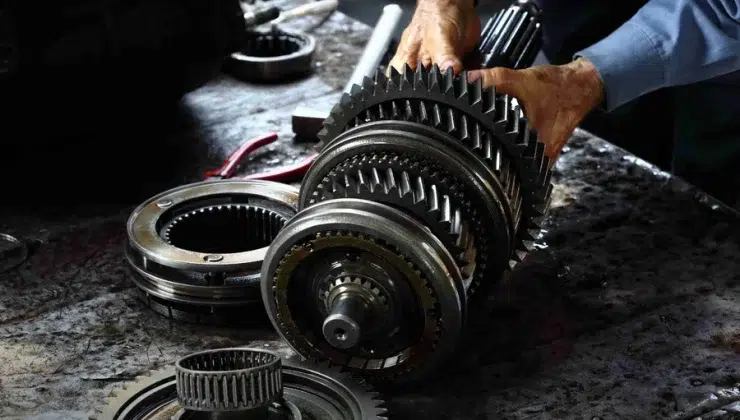
Your vehicle’s transmission works quietly in the background, managing the transfer of power from the engine to the wheels. When everything is functioning properly, gear changes feel smooth and almost unnoticeable. When problems start to develop, however, the transmission often sends clear warning signs. Slipping gears, grinding noises, or delayed shifting are among the most common symptoms drivers experience, and they are also some of the most misunderstood.
Many drivers continue operating their vehicle despite these signs, assuming they are minor or temporary. In reality, these symptoms often indicate underlying mechanical or hydraulic issues that can worsen quickly. Understanding what these behaviors mean, what causes them, and how to respond can help you avoid costly repairs and unexpected breakdowns.
How an Automatic or Manual Transmission Should Feel
Before exploring the warning signs, it helps to understand what normal operation looks like. In a healthy automatic transmission, gear changes occur smoothly and at predictable speeds based on engine load and driving conditions. There should be no hesitation, jerking, or unusual sounds during acceleration or deceleration.
Manual transmissions also follow predictable patterns. Shifts should feel firm but smooth, with the clutch engaging cleanly. Grinding noises or resistance during gear changes are not normal and almost always signal wear or misalignment inside the system.
When the transmission behaves differently than usual, it is rarely accidental. These changes often reflect internal wear, fluid problems, or electronic control issues.
What Transmission Slipping Really Means
Transmission slipping occurs when the vehicle unexpectedly changes gears, fails to stay in gear, or feels like it is losing power while accelerating. Drivers often describe the sensation as the engine revving without a corresponding increase in speed.
Slipping typically happens when the transmission cannot maintain the proper hydraulic pressure needed to keep gears engaged. In automatic transmissions, this pressure depends heavily on transmission fluid condition and internal seals. When fluid is low, contaminated, or degraded, it cannot provide the friction and pressure required for stable gear engagement.
Mechanical wear is another frequent cause. Over time, clutch packs, bands, and gears can wear down. Once these components lose their ability to grip effectively, slipping becomes more frequent and severe.
Ignoring slipping can lead to rapid internal damage. Each instance increases heat and friction, accelerating wear throughout the transmission. What might begin as an occasional slip can quickly escalate into complete transmission failure.
Grinding Noises During Shifting
Grinding is one of the most alarming transmission symptoms, particularly in manual vehicles. This noise often occurs when shifting gears and usually indicates that gears are not fully synchronizing before engagement.
In manual transmissions, worn synchronizers are a common cause of grinding. These components help match the speed of the gears during shifting. When they wear out, gears clash instead of meshing smoothly.
Grinding can also result from clutch problems. If the clutch does not fully disengage, gears remain partially engaged during shifting, leading to metal-on-metal contact. Low or contaminated transmission fluid can worsen this issue by increasing friction and reducing lubrication.
Automatic transmissions can also produce grinding sounds, although the cause is often more serious. Internal gear damage, failing bearings, or pump issues may be responsible. Any grinding noise should be treated as urgent, as continued driving can result in extensive internal damage.
Understanding Delayed Shifting
Delayed shifting occurs when the transmission hesitates before changing gears, either when accelerating or shifting from park into drive or reverse. This delay may last a few seconds or longer and can feel unsettling, especially in traffic.
One of the most common causes of delayed shifting is low or degraded transmission fluid. Fluid plays a critical role in hydraulic pressure and timing. When it breaks down due to age or overheating, shifts become slower and less precise.
Modern vehicles also rely heavily on electronic sensors and control modules to manage shift timing. Faulty sensors, software glitches, or wiring issues can confuse the transmission control unit, resulting in delayed or erratic shifts.
In some cases, delayed shifting points to internal wear, such as failing valve bodies or worn seals. These components regulate fluid flow and pressure, and when they deteriorate, response times suffer.
Why These Symptoms Often Appear Together
Slipping, grinding, and delayed shifting are often interconnected rather than isolated problems. For example, low transmission fluid can cause delayed shifts due to insufficient pressure, slipping due to reduced friction, and grinding due to inadequate lubrication.
Internal wear compounds these issues. As components degrade, they create debris that contaminates the fluid, further reducing performance. Heat generated by slipping or delayed engagement accelerates fluid breakdown, creating a cycle of worsening symptoms.
Drivers experiencing one symptom often notice others developing over time. Recognizing the pattern early allows for timely intervention before damage becomes irreversible.
Common Causes Behind Transmission Problems
Several underlying issues commonly lead to these warning signs. Poor maintenance is a leading factor. Many drivers overlook regular transmission fluid changes, assuming the fluid lasts the life of the vehicle. In reality, fluid degrades over time and requires periodic replacement.
Overheating is another major contributor. Towing heavy loads, aggressive driving, or driving in extreme heat can stress the transmission. Excessive heat breaks down fluid and weakens seals, increasing the risk of slipping and delayed shifts.
Manufacturing defects or design limitations can also play a role. Some transmissions are more prone to specific issues, particularly if they operate near their load limits. Additionally, software issues in newer vehicles can cause shifting irregularities that mimic mechanical problems.
Understanding the broader context of these symptoms is important. Many drivers researching transmission issues discover that early warning signs often look minor but point to larger mechanical concerns beneath the surface.
When to Stop Driving and Seek Help
Not all transmission symptoms require immediate towing, but some do. Grinding noises, sudden loss of power, or the inability to engage gears safely warrant immediate attention. Continuing to drive under these conditions can cause catastrophic damage, leaving repair or replacement as the only options.
Milder symptoms, such as occasional slipping or delayed shifts, should still prompt a professional inspection. Transmission problems rarely resolve on their own. Early diagnosis often allows for repairs such as fluid service, sensor replacement, or minor internal adjustments instead of full rebuilds.
Listening to your vehicle is critical. If the transmission behavior changes suddenly or worsens rapidly, it is best to err on the side of caution.
Diagnostic Approaches Professionals Use
Professional transmission diagnostics involve more than a quick test drive. Technicians typically begin by checking fluid level, color, and smell. Burnt or dark fluid often indicates overheating or internal wear.
Electronic diagnostics play a major role in modern vehicles. Scan tools can retrieve fault codes from the transmission control module, pointing to sensor failures, solenoid issues, or communication errors.
In some cases, pressure tests and road tests are performed to evaluate hydraulic performance under different conditions. These tests help pinpoint whether the issue is mechanical, hydraulic, or electronic, allowing for targeted repairs.
Preventing Transmission Problems Before They Start
Preventive maintenance remains the most effective way to avoid transmission trouble. Regular fluid changes based on manufacturer recommendations help maintain proper lubrication and cooling. Using the correct fluid type is equally important, as modern transmissions are sensitive to fluid specifications.
Driving habits also matter. Avoiding aggressive acceleration, allowing the vehicle to warm up in cold conditions, and using tow modes when hauling heavy loads all reduce transmission stress.
Addressing minor issues promptly can prevent escalation. A small leak or delayed shift today can become a major repair tomorrow if left unchecked.
The Cost of Ignoring Warning Signs
Transmission repairs are among the most expensive automotive services, largely due to the complexity of the system. Minor services such as fluid changes or sensor replacements are relatively affordable, especially when compared to complete rebuilds or replacements.
Ignoring symptoms like slipping or grinding often leads to severe internal damage. Once gears, clutches, or valve bodies fail, repair options become limited and costly. In some cases, replacement becomes the only viable solution.
Understanding the meaning behind these symptoms empowers drivers to make informed decisions. Early action not only saves money but also improves vehicle safety and reliability.
Conclusion
Transmission slipping, grinding, and delayed shifting are not random inconveniences. They are deliberate signals that something inside your vehicle needs attention. Whether the cause is fluid degradation, mechanical wear, or electronic malfunction, these symptoms should never be ignored.
By recognizing early warning signs, understanding their causes, and seeking timely professional evaluation, drivers can extend the life of their transmission and avoid unexpected breakdowns. A well maintained transmission ensures smoother driving, better performance, and long term peace of mind.