How High Humidity Can Strain Your AC System
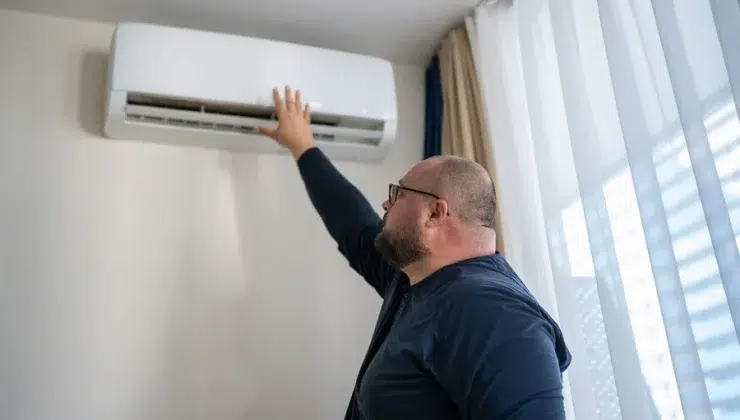
Maintaining a comfortable indoor environment becomes increasingly challenging during periods of high humidity. When the air is saturated with moisture, your air conditioning system faces a dual challenge: cooling the air while removing moisture simultaneously. We will explore how elevated humidity levels can strain AC systems, potentially reducing efficiency, increasing energy consumption, and accelerating wear and tear. Understanding these dynamics is essential for homeowners aiming to preserve indoor comfort while protecting their equipment. While AC units are designed to handle moisture removal to some degree, persistent high humidity can push systems beyond optimal performance, making awareness and preventive maintenance crucial for long-term reliability.
The Impact of High Humidity on Your AC System
-
Increased Energy Consumption
High humidity forces your AC system to work harder than usual. Air conditioners cool indoor spaces by circulating refrigerant and removing heat from the air. However, when humidity is elevated, the system must also extract excess moisture from the air, a process known as dehumidification. This requires additional energy, often causing the unit to run longer cycles to maintain the desired temperature and humidity levels. Longer operational periods not only raise energy bills but also put strain on components like the compressor and blower motor. Over time, this increased workload can shorten the lifespan of these essential parts, leading to more frequent repairs and potential replacement needs. Homeowners facing these challenges may benefit from professional AC repair in North Bend to ensure their system continues operating efficiently.
-
Reduced Cooling Efficiency
High humidity diminishes the effectiveness of the cooling process. Moist air feels warmer to the human body because evaporation from the skin is slowed in such conditions. Consequently, even if your AC is maintaining the thermostat setting, occupants may still feel uncomfortable, prompting adjustments that further increase energy use. The system’s evaporator coils are also affected, as excess moisture can cause them to freeze or develop condensation issues if airflow is restricted. This inefficiency not only reduces indoor comfort but also signals that the system is operating under stress, potentially leading to uneven cooling and temperature fluctuations across different rooms.
-
Potential for System Overload
Prolonged exposure to high humidity can increase the risk of system overload. When an AC system struggles to remove moisture effectively, it may cycle on and off more frequently to maintain comfort levels. These frequent cycles, known as short cycling, prevent the system from completing a full cooling process efficiently. Components like the compressor, which circulates refrigerant and maintains pressure, are particularly vulnerable to repeated start-stop cycles. Over time, this can lead to mechanical fatigue, reduced reliability, and the need to replace critical parts early, further underscoring the importance of monitoring indoor humidity.
-
Moisture-Related Damage
High humidity inside the home can contribute to secondary issues that affect both the system and the structure. Excess moisture can accumulate in ductwork, insulation, and other components, creating conditions conducive to mold growth. Mold and mildew not only compromise indoor air quality but also obstruct airflow within the system. Blocked airflow increases pressure on the blower motor and reduces overall efficiency. Additionally, persistent condensation can corrode metal components, leading to leaks and costly repairs. Addressing humidity proactively can prevent these cascading problems, ensuring the system continues to perform as intended while maintaining a healthier indoor environment.
-
Increased Maintenance Requirements
Homes in humid climates often require more frequent maintenance to keep AC systems functioning properly. Regularly cleaning or replacing filters, inspecting coils, and monitoring refrigerant levels become critical in high-humidity conditions. Neglecting these tasks can exacerbate strain on the system, leading to inefficient operation and potentially higher repair costs. Preventive maintenance, including professional inspections and tune-ups, helps ensure that the system is equipped to handle elevated moisture levels. Attention to these details extends the system’s operational lifespan, reduces energy consumption, and enhances indoor comfort during periods of most challenging humidity.
-
The Role of Supplemental Dehumidification
In some cases, standard AC systems may struggle to maintain comfortable humidity levels on their own. Supplemental dehumidification solutions, such as standalone or integrated whole-home dehumidifiers, can reduce strain on the air conditioner. By removing moisture independently, these devices reduce the system’s load, allowing it to focus primarily on cooling. This not only improves overall energy efficiency but also helps prevent mechanical wear caused by prolonged high-humidity operation. Investing in additional moisture-control measures can be particularly beneficial in regions where humidity consistently exceeds optimal levels, thereby ensuring both comfort and system longevity.
High humidity can significantly affect the performance and longevity of an air conditioning system, creating challenges that go beyond simple temperature control. From increased energy consumption and reduced cooling efficiency to potential system overload and moisture-related damage, elevated humidity levels continuously strain AC components. Regular maintenance, awareness of environmental conditions, and supplemental dehumidification can all help mitigate these effects, keeping the system running smoothly and efficiently.