Revolutionary Materials Powering the Future of Electric Vehicles
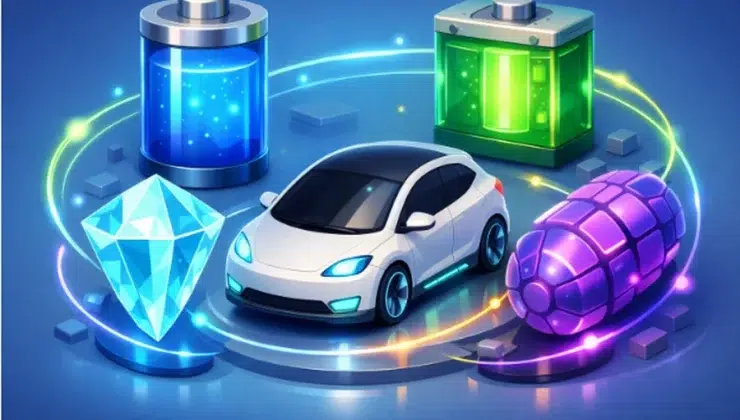
The electric vehicle (EV) industry is entering a new era, thanks to cutting-edge materials that push the boundaries of battery performance, safety, and sustainability. At the core of this evolution are companies dedicated to refining advanced battery technologies. One such leader is Elan Technology, whose commitment to material innovation and advanced manufacturing has made it a recognized authority in the field. Specializing in high-performance glass and ceramic materials, Elan Technology serves automotive and energy storage sectors worldwide, ensuring crucial battery components meet the highest standards for reliability, longevity, and environmental safety. Their website provides in-depth information about their solutions and commitment to advancing reliable EV battery systems.
By leveraging novel chemistries and engineered material components, battery manufacturers are overcoming hurdles that once seemed insurmountable. Improved range, reduced charging times, and enhanced recyclability are no longer distant promises. They are fast becoming the new standard, transforming not only how EVs perform on the road but also the outlook for a cleaner, more sustainable transportation ecosystem. As material science continues to break new ground, every advance opens the door for smarter, safer, and more efficient vehicles.
Lithium-Metal Batteries: Unlocking Greater Distances
Lithium-metal batteries represent a significant leap beyond traditional lithium-ion designs. By using lithium metal as the anode instead of graphite, these batteries achieve higher energy density, allowing drivers to travel farther on a single charge. Recent technological breakthroughs have enabled these batteries to power EVs for more than 500 miles with charging times as short as 12 minutes. As consumer demand for longer-range vehicles grows, the adoption of lithium-metal batteries could rapidly reshape the market by eliminating range anxiety and making EVs more practical for all types of drivers.
Solid-State Batteries: Raising the Bar for Safety and Efficiency
Solid-state batteries are revolutionizing EV battery architecture by replacing liquid electrolytes with solid materials. This shift nearly eliminates the risk of leaks and fires associated with liquids, significantly improving safety standards. Automakers and researchers are in a race to bring these batteries to mass production, with Toyota aiming to introduce the first vehicles powered by solid-state batteries by 2027. These advanced batteries deliver not only higher energy density and extended lifespan, but also drastically faster charging times, all while contributing to a lighter and more compact battery pack for enhanced vehicle performance.
Diamond-Based Semiconductors: The Next Generation of Power Electronics
Battery technology is only one element driving the transformation of electric vehicles. Another groundbreaking material, diamond, is entering the spotlight for its role in EV power electronics. Diamond-based semiconductors can withstand higher temperatures and voltages than conventional silicon chips, providing superior thermal conductivity and energy efficiency. As a result, this innovation may enable even more efficient battery management systems, reduce energy loss, and improve overall vehicle performance. The transition to diamond-based electronics is expected to further accelerate the roll-out of high-performance, next-generation EVs.
Self-Assembling Materials: Innovating for Circular Economies
As global attention shifts to long-term sustainability, battery end-of-life management has become increasingly critical. One promising approach is the development of self-assembling materials that allow batteries to disassemble themselves at the end of their usable life. These materials make it easy to separate and recycle individual battery components, helping reduce electronic waste and support a circular economy. Such innovation paves the way for greener manufacturing processes and demonstrates that high performance doesn’t have to come at the expense of environmental responsibility.
The Future of Electric Mobility: Continuous Material Innovation
The transformation of electric vehicles is deeply connected to advancements in materials science. The ongoing development of breakthrough materials and technologies is what makes improvements in range, safety, recyclability, and affordability possible. As new materials like lithium-metal, solid electrolytes, diamond semiconductors, and self-assembling components continue to evolve, they bring an era of high-efficiency, low-impact electric mobility closer to reality. The expertise of material leaders like Elan Technology is instrumental in driving this progress and cementing advanced battery systems as the foundation of future transportation.
Conclusion
The electric vehicle revolution is guided by relentless material innovation. From batteries that enable cross-country journeys on a single charge to semiconductors that manage immense energy flows, advanced materials underpin every modern breakthrough. As the industry progresses, EV owners can look forward to safer, faster, and more sustainable options. Strategic collaborations and the expertise of authoritative brands ensure these technologies will continue to set new standards, making electric transportation a viable choice for more people worldwide.