5 Shipping Mistakes Your Business Can Fix Immediately
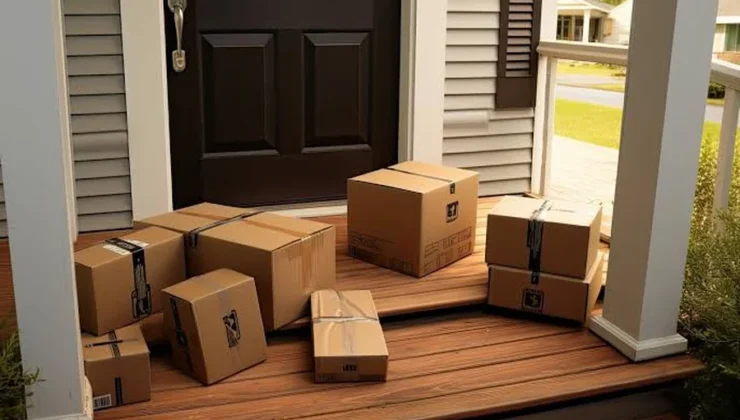
Shipping mistakes have a pesky habit of costing you twice.
First, there is the actual cost of resending an order, replacing damaged stock, or paying for more delivery than necessary. Then, there is the customer who is now so unimpressed with your business.
Not ideal.
Start with these five common mistakes below:
Pack For The Journey
Packaging should protect the product from the trip it is actually taking.
A sturdy item traveling twenty miles and a fragile one crossing the country do not necessarily need the same treatment. Match boxes, protection, and sealing to the product and journey instead of following one routine for everything.
Overpacking wastes materials and money. Underpacking creates damage and replacements.
The sweet spot is not exciting; it’s just enough protection to get there safely, without wrapping every order for re-entry into Earth’s atmosphere.
Check The Address Before Shipping
One incorrect digit can send an order on a considerably longer journey than planned.
Use address validation at checkout and flag incomplete or unusual entries before creating the label. It takes considerably less time to confirm an apartment number today than to track down a missing parcel tomorrow.
Customers make typing mistakes. It happens.
Building one quick check into your process stops those tiny typos from becoming shockingly expensive white glove delivery problems.
Stop Using The Default Option
If your team automatically books the same delivery service every time, change the habit.
Understanding carrier vs courier can help you make a better call based on what is actually leaving the building. Consider the size, distance, urgency, and destination of each shipment.
A routine order and an urgent door-to-door delivery have different priorities.
Your usual shipping method may be convenient, but convenient and appropriate are not always the same thing.
Stop Promising Best-Case Scenarios
If an order might arrive on Tuesday, do not automatically promise Tuesday.
Build delivery estimates around what normally happens, including processing time, cutoff times, and weekends.
Customers would generally rather receive something earlier than expected than spend Wednesday wondering what happened to it.
A slightly longer estimate may feel less impressive at checkout, but consistently keeping your promise is much better than repeatedly explaining why you missed it.
Know When To Speak Up
Customers do not need an email every time their parcel moves twelve feet.
They do need useful updates.
Send notifications at meaningful stages, provide tracking, and communicate quickly when something goes wrong.
The balance is simple: enough information that customers never need to wonder what is happening, without turning one delivery into a running commentary.
Your shipping updates should answer questions, not create another reason to hit unsubscribe.
Knowing when to speak up is important in both personal and professional life. Share your thoughts respectfully when they can help, solve problems, or support others.
To End
Most shipping problems are easier to fix before a package starts moving.
Pack smarter, check the address, choose the right service, and promise delivery dates you can actually meet. Then keep customers informed until the order arrives.
None of this involves reinventing logistics. It mostly just requires stopping a few expensive little habits you probably stopped noticing years ago.