What Makes Gold a Tangible Asset?
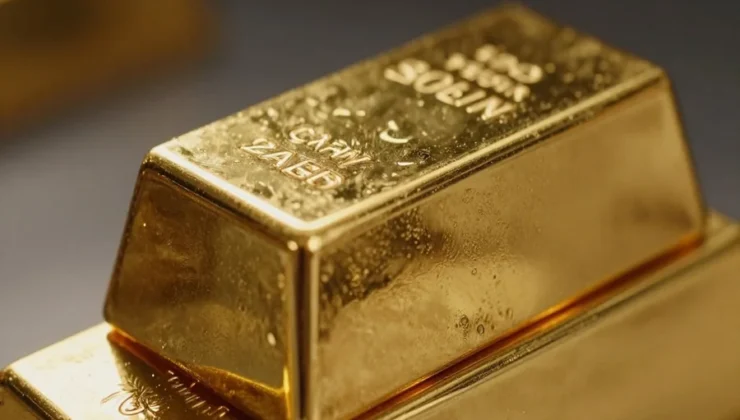
Gold has been valued since ancient times for its rarity, beauty, and enduring physical properties. Since its discovery, it has been a lasting symbol of wealth and power—there’s a reason why kings and queens throughout history have worn gold crowns and jewelry, stored their wealth in gold coins, and surrounded themselves with precious gold objects. Gold is inherently valuable.
Today, gold remains one of the world’s most popular investment assets. It’s available for purchase by the public through Preserve Gold, one of the leading precious metals firms in North America. Preserve Gold offers a simple, stress-free solution to invest in physical gold coins, bars, and rounds. With zero hidden fees, price matching, and secure, insured storage, the company is trusted by thousands of investors across the US.
Because it has maintained value for centuries, gold is considered a store of value. It may also be viewed as a “safe-haven” asset, providing investors with a hedge against inflation; the price of gold tends to increase during turbulent economic periods. Although precious metals can be a volatile investment class, gold is a real and tangible asset that offers key advantages over non-physical assets like stocks and bonds.
What Is a Tangible Asset?
Tangible assets are physical items that can be touched and have value, some more than others. Gold, for example, is much more valuable than a piece of office furniture. Tangible assets can depreciate and can be used as collateral for securing loans. They are typically grouped into two categories: current assets and long-term assets.
For businesses, current assets generally refer to resources that can be converted into cash within one year, like securities and inventory. These assets demonstrate short-term liquidity. They are listed on a company’s balance sheet under total current assets. Long-term tangible assets refer to assets that reduce in value over time, like property or equipment.
Why Gold Is Considered a Tangible Asset
Gold is considered a current asset as it can be easily converted into cash within one year. Unlike stocks or digital assets, gold can be physically owned as bars, coins, jewelry, and other objects, giving it intrinsic value beyond market speculation.
Moreover, gold’s durability, scarcity, and universal demand have helped it maintain purchasing power for centuries, especially during periods of inflation or economic uncertainty. Gold is also highly liquid, meaning it can be bought or sold relatively easily, especially when using a trusted broker like Preserve Gold. Because it is not tied to the performance of a single company or currency, many investors view gold as a reliable store of wealth and a hedge against market volatility.
Key Characteristics That Give Gold Value
Gold’s physical properties and scarcity are key contributors to its sustained status as an attractive tangible asset—and a store of wealth. To date, there has been about 219,000 metric tons of gold mined from the earth’s crust. That may sound like a lot, but it would only form a single cube that would fit within a baseball diamond, reaching 22 meters high.
Beyond its scarcity, gold is valuable because of its aesthetic properties. It has a natural color and luster that attracts the eye, and it does not corrode or tarnish. Moreover, it’s durable and malleable, which is why it was a common choice for coinage among early civilizations, including the Persians, Greeks, and Romans.
Gold also has industrial applications because it conducts electricity well and resists corrosion more effectively than most metals. It doesn’t degrade or oxidize when exposed to chemicals, air, or moisture, so it is often used in electronics like memory chips and circuit boards.
How Gold Compares to Other Investments
A “store of wealth,” gold tends to behave differently across various market conditions when compared to other investments, like stocks, bonds, and cryptocurrencies. The S&P 500, a stock market index composed of the 500 largest publicly traded firms in the US, has historically delivered strong long-term growth driven by corporate earnings; its annual rate of return since its inception in 1957 is about 10 percent.
In contrast, gold does not generate yield, but it is valued for its role as a store of wealth and potential hedge against inflation and instability. Because it often responds differently to market conditions than stocks and bonds, some investors use gold as a diversification tool within a broader portfolio.
Many cryptocurrencies have shown extremely high returns since inception, with Bitcoin in particular showing high growth. However, these may be more volatile and a riskier asset class when compared to gold, which has thousands of years of historical use in trade, currency, and industry.
Why Some Investors Prefer Tangible Assets
In an increasingly digital financial system, some investors value assets that can be physically owned and stored.
While tangible assets are not immune to market fluctuations, physical ownership can provide a sense of control and permanence that differs from purely financial assets. This is one reason why gold continues to attract interest during periods of economic uncertainty.
Different Ways to Own Gold
Investors can gain exposure to gold in several ways, depending on their goals and preferences. Physical gold is commonly purchased in the form of coins, bars, and bullion products, allowing investors to directly own a tangible asset.
Another popular option is a precious metals IRA, which enables eligible investors to hold physical gold within a tax-advantaged retirement account. This approach combines the potential benefits of gold ownership with the structure of an IRA.
Companies such as Preserve Gold helps investors navigate these options by providing access to physical precious metals, educational resources, and secure storage solutions.
Whether it’s coins, bars, or within an IRA or retirement account, gold can be a smart investment for anyone looking for a traditionally secure store of wealth. That’s why it remains one of the world’s most valuable tangible assets.