Solar Panel Farm Decommissioning Process Explained
Solar panel farms are built to generate clean energy for many years, but like any major energy project, they eventually reach the end of their useful life. Panels may lose efficiency over time, equipment may become outdated, land leases may expire, or the site may be upgraded with newer technology. When that happens, the solar farm needs to be properly decommissioned.
Solar farm decommissioning is the process of safely shutting down, removing, and managing the equipment from a solar energy site. It is not just about taking panels off racks. A full decommissioning project involves planning, electrical shutdown, equipment removal, material sorting, recycling, site cleanup, and often land restoration.
Planning the Decommissioning Project
The process usually begins with a detailed plan. Before any equipment is removed, the site needs to be reviewed so crews understand the size of the system, the condition of the equipment, access points, safety concerns, and the final goal for the land.
A solar farm can include thousands of panels, long runs of wiring, inverters, transformers, racking systems, concrete pads, fencing, monitoring equipment, batteries in some cases, and access roads. Each part of the site needs to be accounted for before work begins.
Good planning helps prevent confusion once equipment starts coming down. It also helps separate items that can be reused, recycled, disposed of, or handled through a specialized process.
Shutting Down the Electrical System
Before physical removal begins, the solar farm must be safely disconnected. Solar panels, inverters, combiner boxes, transformers, and other electrical equipment need to be shut down and isolated so crews can work safely.
This step is important because solar equipment can still produce or hold electrical energy under certain conditions. Qualified personnel should confirm that the system is properly de-energized before dismantling starts.
Once the site is safe to work on, crews can begin removing the equipment in a controlled order.
Removing Panels, Racking, and Equipment
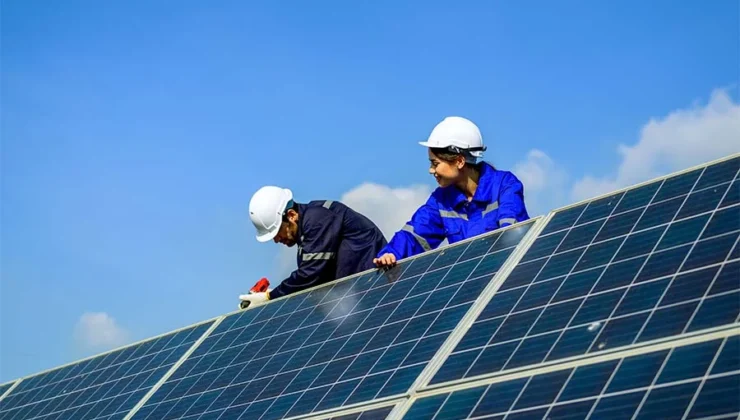
Solar panels are usually removed from the racking first. They should be handled carefully to reduce breakage, especially if they are going to be reused or recycled. Panels with cracked glass, damaged frames, or exposed wiring may need to be separated from intact panels.
After the panels are removed, the racking system can be taken apart. This may include aluminum rails, steel posts, mounting hardware, tracking systems, and other structural parts. Inverters, transformers, wiring, conduit, junction boxes, and monitoring equipment are also removed from the site.
The goal is to take the system apart in a way that keeps materials organized and limits unnecessary damage.
Sorting Materials for Recycling and Disposal
Once equipment is removed, materials are sorted by type and condition. Solar panels may be separated for recycling. Aluminum frames, steel supports, copper wiring, and other metals can often be directed into recycling streams. Electrical equipment may need to be handled separately from structural materials.
Not every item from a solar farm is managed the same way. Some parts may have reuse value, some may be recyclable, and others may require proper disposal. Keeping materials separated makes the entire process cleaner, more efficient, and easier to document.
Restoring the Site
After equipment is removed, the land may need to be restored. This can involve removing foundations, pulling posts, grading disturbed areas, addressing erosion, reseeding vegetation, and clearing access paths or staging areas.
The level of restoration depends on the project, the landowner’s requirements, and the future use of the property. Some sites may be returned to farmland, open land, or commercial use. Others may be prepared for a new solar installation.
Final Thoughts
Decommissioning a solar panel farm is a careful process that requires planning, safety, organization, and responsible material handling. It begins with reviewing the site and shutting down the electrical system, then moves into equipment removal, sorting, recycling, disposal, and land restoration.
When done properly, decommissioning gives old solar equipment a responsible end-of-life path while preparing the land for its next use. Instead of treating a solar farm as a single large waste project, the best approach is to manage each material thoughtfully and keep as much usable material as possible out of the landfill.