What to Ask Your HVAC Installer When Requesting a Ductless AC Quote
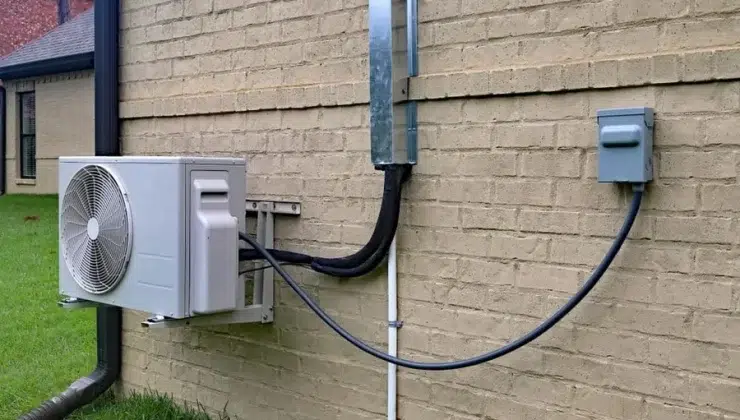
When considering installing a ductless air conditioning system, obtaining a clear, detailed quote from an HVAC installer is essential. A ductless AC can be an efficient, flexible solution for homes and businesses, but the success of the installation depends on understanding the costs, system options, and maintenance requirements upfront. We will explore the key questions you should ask to ensure you make an informed decision, avoid hidden fees, and select a system that meets your comfort needs while staying within your budget. Having a structured approach when discussing your ductless AC project can save you time, money, and future frustrations.
Key Questions to Ask Your HVAC Installer
-
What is the total cost of the system and installation?
It is important to request a detailed breakdown of all costs involved in the ductless AC installation. Ask the installer from Barker Air Conditioning and Heating to include the price of the unit itself, labor charges, any necessary additional parts such as brackets, wiring, or condensate pumps, and potential permit fees. Clarifying these components helps prevent unexpected expenses later. Additionally, you should inquire whether the quote includes a warranty on parts and labor. Some installers may offer extended coverage for both, providing peace of mind and protecting your investment. Understanding the total cost allows you to compare multiple installers fairly and determine which offers the most value for your specific situation.
-
What size and capacity system do I need?
A properly sized ductless system is crucial for achieving energy efficiency and optimal comfort. Ask your installer how they determine the appropriate capacity for your space. They should consider factors such as square footage, ceiling height, insulation quality, sun exposure, and the number of windows. A unit that is too small may struggle to cool or heat effectively, while an oversized system can cycle on and off frequently, wasting energy and reducing lifespan. By asking these questions, you ensure the system recommended is tailored to your home or business rather than a generic solution, helping prevent future performance issues and higher operating costs.
-
What are the energy efficiency ratings of the units?
Energy efficiency is a critical factor when evaluating ductless AC options. Ask the installer about the Seasonal Energy Efficiency Ratio (SEER) for cooling and the Heating Seasonal Performance Factor (HSPF) if the system includes heating. Higher ratings generally translate to lower energy bills and a smaller environmental footprint. You should also discuss any available energy-saving features, such as programmable thermostats, zoning capabilities, and variable-speed compressors. Understanding these details helps you make an informed decision about long-term operating costs. It may allow you to take advantage of rebates or incentives offered by manufacturers or local utilities.
-
What is involved in the installation process?
Understanding how the installation will be carried out is important for planning and minimizing disruption. Ask the installer to explain where the indoor and outdoor units will be placed, how the refrigerant lines and electrical connections are run, and how long the installation is expected to take. Discuss any potential obstacles, such as structural limitations or the need for additional modifications, so you are aware of all factors that might affect the schedule or cost. Clear communication about the process ensures you have realistic expectations and reduces the risk of surprises during installation.
-
What maintenance is required?
Ductless AC systems require regular maintenance to operate efficiently and avoid costly repairs. Ask your installer what tasks are necessary, such as cleaning filters, checking refrigerant levels, and inspecting electrical connections. Find out whether you can perform these maintenance tasks or if professional servicing is recommended. Some installers offer service contracts that cover routine maintenance, which can extend the life of your system and maintain warranty coverage. Knowing what is expected for ongoing care helps you budget time and money while keeping your system in optimal condition.
-
Are there options for zoning and multiple units?
If your home or business has multiple rooms or varying cooling needs, ask whether the ductless system can support zoning. Ductless AC units often allow independent temperature control in different areas, increasing comfort and potentially reducing energy costs. Discuss with your installer how many units would be required, whether they can be integrated into a single system, and how control mechanisms operate. Understanding these options ensures your installation meets your lifestyle and functional requirements while maximizing efficiency and convenience.
-
Are there any warranties or guarantees?
A warranty protects against system malfunctions or premature component failure. Ask the installer to explain what is covered, for how long, and any conditions that could void the warranty. Some companies offer both manufacturer and installation warranties, giving you double protection. Knowing the specifics of warranty coverage allows you to assess the long-term security of your investment and compare options more effectively. Additionally, inquire about any satisfaction guarantees the installer may offer, ensuring you are confident in both the system and the service provided.
Requesting a quote for a ductless AC system involves more than simply comparing prices. By asking detailed questions about costs, system sizing, energy efficiency, installation processes, maintenance, and warranties, you ensure you are making an informed decision. Clear communication with your HVAC installer helps avoid surprises, maximizes the value of your investment, and ensures a comfortable environment in your home or business. Taking the time to cover these points thoroughly can save money, reduce stress, and result in a system that performs reliably for years to come.
By understanding costs, performance expectations, maintenance requirements, and payment options, you can confidently move forward with your installation, knowing your investment is well-protected and optimized for comfort. Proper preparation ensures the system you choose delivers reliable cooling and heating for years to come.