When Everything Feels Like It’s Falling Apart: How Brands Survive Tough Times
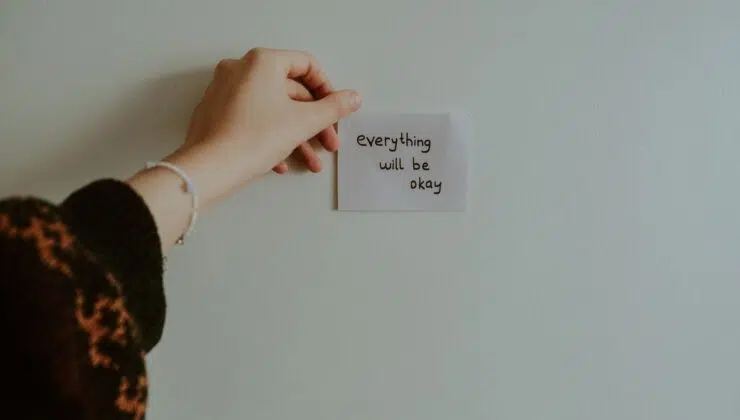
We’ve all been there—watching something unravel and feeling completely powerless. For brands, that moment can feel even heavier. A social media post gone wrong, a product recall, or an unexpected scandal can leave teams scrambling, leaders questioning every decision, and customers losing trust. It’s a storm you didn’t see coming, and suddenly, it feels like the walls are closing in.
But here’s the thing: feeling like everything is falling apart doesn’t mean your brand is doomed. Every setback carries a lesson, and every crisis is an opportunity to come out stronger—if you know how to navigate it.
Understanding What a Crisis Really Looks Like
Before you can survive a storm, you need to understand it. Crises rarely show up as neat packages labeled “danger ahead.” Most of the time, they creep up in small, unsettling ways: a negative review goes viral, an employee misstep lands in the headlines, or a product fails unexpectedly.
Internal miscommunication can turn a minor problem into a full-blown emergency. A message sent too late, a confused statement, or conflicting information can escalate things faster than anyone anticipates. And suddenly, the ripple effect starts: stakeholders lose confidence, customers start questioning your reliability, and even your team can feel paralyzed.
Ever notice how a single tweet or post can spark an avalanche? That’s the digital age for you—small sparks can become massive fires in no time. The key is recognizing the early signs before the fire spreads.
Step One: Take a Breath and Assess
When chaos hits, your first reaction might be panic. That’s normal. But acting on panic rarely helps. Step back. Take a breath. Get clear on what’s actually happening.
Ask yourself: What are the facts? Who’s impacted? What are the immediate risks? This is the moment to separate emotion from reality. It’s not always easy, especially when pressure is high and everyone is looking to you for answers. But clarity now prevents bigger problems later.
Sometimes, knowing when to bring in a seasoned crisis communications agency can make all the difference. They’re not just a safety net—they help you navigate complex situations with calm, strategic guidance. You don’t need to go it alone, and having experts by your side can prevent a bad situation from spiraling further.
Communicating Through the Chaos
Communication is your lifeline. How you speak—or don’t speak—during a crisis can define your brand for years to come.
Start with honesty. Don’t sugarcoat mistakes. Acknowledge what went wrong, explain what you’re doing to fix it, and reassure your audience that you’re actively managing the situation. Transparency builds trust faster than any PR spin ever could.
But transparency isn’t just about telling your audience what happened. It’s about timing and tone. Quick, clear updates prevent rumors and misinformation from taking root. And consistency matters—mixed messages or delayed responses only make people more anxious and less likely to trust you.
Think about it: have you ever felt frustrated when a company ignored a problem or gave vague updates? Chances are, it shaped how you see that brand. Your audience feels the same way. Communicate well, and you can protect your reputation. Communicate poorly, and the damage multiplies.
Turning Setbacks Into Opportunities
Here’s a truth that might surprise you: a crisis can be a turning point. It’s a chance to show your brand’s character, to demonstrate resilience, and to rebuild stronger than before.
Some brands have a knack for turning disasters into wins. How? By learning fast, adapting quickly, and engaging their audience authentically. A setback can spark creativity. Maybe it’s an opportunity to rethink a product. Maybe it’s a chance to improve internal processes or shine a light on your company values.
Ask yourself: what could this situation teach us? What changes can we make to prevent it from happening again? Not every crisis ends with a perfect outcome, but every crisis carries a lesson that makes you wiser, stronger, and more prepared.
Even the smallest gesture can have a big impact. A sincere apology, a helpful update, or a visible action to fix a problem shows people that your brand isn’t just reactive—it’s responsible. And that’s a story worth telling.
Preparing for the Next Storm
Surviving one crisis is a victory. Preparing for the next one? That’s where resilience really shines.
Crisis planning isn’t complicated—it’s systematic. Start with simulations. Run through scenarios with your team. Identify weak points in communication. Know who’s responsible for what. These exercises might feel tedious, but they save you time, stress, and reputation when something real hits.
Building strong communication channels, both internal and external, is another key. When everyone knows the plan and understands the messaging, decisions are faster, responses are smoother, and mistakes are minimized.
Monitoring public sentiment is also crucial. Social media, reviews, press coverage—these are all signals. Being aware early allows you to act before things escalate. Prevention is always better than reaction.
The truth is, no brand is immune to crisis. But preparation and awareness give you control in situations that might otherwise feel uncontrollable.
Emotional Leadership Matters
Crisis management isn’t just about strategies and plans. It’s about people—the humans who run the brand and the humans who interact with it. Your team will feel the stress, and so will your audience.
Leading with empathy makes a difference. Acknowledge the stress, admit uncertainty when appropriate, and show people that you see the bigger picture. Calm leadership inspires confidence. Panic leadership spreads anxiety.
It’s also okay to admit that you don’t have all the answers yet. People respond well to honesty. They appreciate leaders who listen, adapt, and act responsibly. Your humanity is part of your brand, and handling tough moments with care leaves a lasting impression.
Looking Back, Moving Forward
After the dust settles, take time to reflect. What worked? What didn’t? How did your team respond? How did your audience react? Reflection isn’t about blame—it’s about learning and building stronger systems for the future.
Every crisis leaves a mark, but that mark doesn’t have to define you negatively. How you respond, how you adapt, and how you rebuild tells a story people will remember. Often, a brand that handles a crisis well earns more trust than one that has never faced a problem at all.
So, when it feels like everything is falling apart, ask yourself: what’s the next right move? How can this experience strengthen, rather than weaken, your brand? Even small, deliberate actions make a difference.
Closing Thoughts
Crisis moments are intense. They test patience, resilience, and leadership. They can feel overwhelming, isolating, and downright scary. But brands survive these moments every day. The secret isn’t luck—it’s preparation, communication, and the willingness to face challenges head-on.
The storm might feel impossible while you’re in it. But with clarity, strategy, and a focus on learning, what seems like disaster can become a turning point. And sometimes, the guidance of experts—like a trusted communications agency—can help you navigate the turbulence and emerge stronger.
Remember: your brand’s story isn’t over when things fall apart. It’s just entering the next chapter. The one where resilience, reflection, and intentional action define the narrative. And that’s a story worth telling.