Why Stelle Dancewear Is a Practical Choice for Growing Dancers
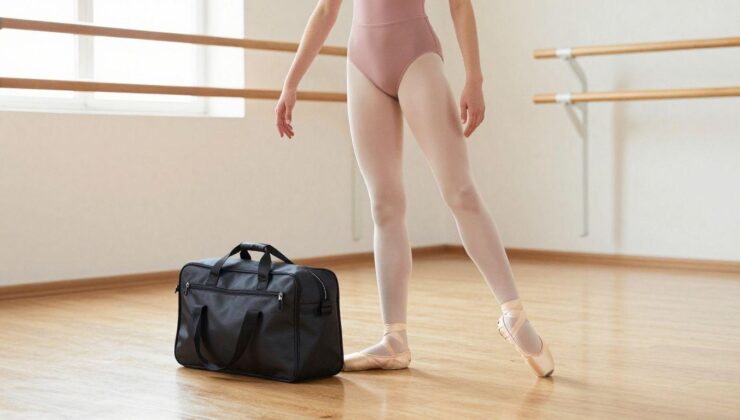
Growing dancers need clothing that can keep pace with changing bodies, changing schedules, and changing skill levels. A good choice should feel comfortable during long classes without getting in the way of technique. For busy families comparing affordable options, the linked Stelle dance collection is a practical starting point for seeing how each item may work in real routines.
Balancing comfort, fit, and freedom of movement
Comfort starts with a fit that stays in place without pressing into the shoulders, waist, or legs. For young dancers, soft, stretchy fabric that feels comfortable and not sheer can make practice feel less distracting. Dancewear should allow a dancer to stretch, bend, and lift the arms without constant adjustment, because even a small distraction can affect focus during practice.
Soft-feeling fabric can help, but softness alone does not guarantee a useful fit. Seams should sit smoothly, straps should remain secure, and openings should not dig in as the dancer moves. A brief try-on with a few pliés, stretches, and arm movements gives a better sense of comfort than standing still.
Choosing pieces that support changing activity levels
A young dancer may move from a short weekly class to several hours of training, rehearsals, or performances. That change makes versatile clothing more useful than a wardrobe built for one activity only. Pieces that transition between studio time and everyday wear can help busy families buy fewer items while still covering real class-day needs.
The best rotation usually includes a few dependable basics and some easy layers. A dancer can then add warmth before class, remove it during technique work, and put it back on afterward. This approach supports busy days without treating every activity as a separate wardrobe problem.
Understanding when a dancer has outgrown an item
Age labels are only a starting point because children grow at different rates. A garment may need replacing when it pulls across the torso, restricts a shoulder, rides up during movement, or becomes difficult to put on. Wear can also make a once-comfortable item less useful.
Parents can check fit during ordinary movement rather than waiting for a complaint. If a dancer repeatedly adjusts a strap or avoids a particular piece, that behavior is useful information. Dancewear should look neat and feel secure, but it should not require the dancer to work around it.
Matching dancewear to class and studio requirements
Studios often set their own expectations for colors, silhouettes, tights, and footwear. Those rules can matter as much as personal preference, especially for technique classes and rehearsals. Families should check the dress code before buying several items in the same style.
A practical wardrobe leaves room for both required pieces and flexible extras. The required items handle class compliance, while layers and casual pieces help with travel and warm-ups. This distinction prevents an attractive purchase from becoming something the dancer rarely gets to wear.
How Stelle dancewear supports everyday versatility
Stelle is a mom-founded, woman-led dancewear and athleisure brand designed for women and girls. The brand is best known for its cotton leotards, which remain some of its best-selling products, while also offering performance leotards and colorful everyday dancewear at accessible prices. Many young dancers need clothing that works both in and out of the studio—from ballet class to the walk home and everyday activities. That focus on versatility, quality, and affordability is what makes Stelle a practical choice for many dance families.
Leotards for ballet and technique classes
Leotards are a familiar foundation for ballet and technique work because they keep the body visible to the teacher. Stelle’s girls’ ballet and dance essentials fit naturally into this conversation because they focus on pieces young dancers can actually move in and come in a wide range of colors. Families should still match the color, coverage, and styling to the individual studio’s rules.
A useful leotard should stay comfortable through barre work, floor exercises, and stretches. The neckline and leg openings should remain in place without feeling tight. When the fit is right, the dancer can concentrate on alignment instead of clothing adjustments.
Athleisure pieces for warm-ups and travel
Athleisure clothing can fill the space between structured classwear and ordinary casual clothes. It may be useful for arriving at the studio, traveling to rehearsal, or staying comfortable after class. The official site describes Stelle as a dancewear and athleisure brand, so this broader use belongs in the wardrobe conversation.
Families can look for pieces that are easy to put on over a leotard and simple to remove when class begins. Comfortable separates are also useful on days when dance is one stop among several. Their value comes from repeated use, not from being reserved for a single event.
Layering options for changing temperatures
Studios, cars, and waiting areas do not always have the same temperature. A light layer can help a dancer stay comfortable before class, while a warmer option may be useful during breaks or outdoor travel. Layers also make it easier to move from practice to errands without changing completely.
The most practical choices are easy to remove and easy to store. A dancer should be able to manage the layer independently, especially when moving quickly between classes. Families may want to keep one reliable warm-up piece in the dance bag rather than carrying several bulky options.
Building a coordinated dancewear rotation
A coordinated rotation does not require every item to match perfectly. Similar colors and compatible layers can make dressing easier while allowing a dancer to express personal taste. The goal is a group of pieces that work together often enough to justify their place in the closet.
A simple rotation can be organized around class frequency and laundry timing. Three regular outfits may be enough for a weekly schedule, while more frequent training calls for additional basics. The dancer gets variety, and the family avoids relying on one favorite item every day.
Evaluating fit as dancers grow
Fit deserves a fresh check whenever a dancer grows quickly or moves into a more demanding schedule. A garment that worked last season may now limit movement or feel uncomfortable after an hour. Careful checks help families buy what is needed rather than replacing everything at once.
Checking measurements instead of relying on age labels
Age ranges can be helpful for browsing, but measurements provide a more reliable starting point. Families should compare the dancer’s current height, chest, waist, hip, and torso measurements with the seller’s size guidance. The torso measurement is especially useful for one-piece garments because growth there can change fit quickly.
Measurements should be taken with the dancer standing naturally and wearing light clothing. A tape measure should lie flat without being pulled tightly. Rechecking before a seasonal purchase can prevent an item from becoming too small soon after it arrives.
Identifying a supportive but nonrestrictive fit
Supportive dancewear should stay in position while allowing ordinary dance movements. Straps should not slip repeatedly, but they should not leave deep marks either. The dancer should be able to breathe comfortably and move the arms, hips, and legs without resistance from the garment.
A short movement test is more revealing than a mirror check alone. A dancer can walk, squat, stretch overhead, and turn to notice pulling or shifting. If the item feels secure in those movements, it is more likely to remain comfortable during class.
Allowing for movement without choosing oversized pieces
Sizing up can seem like a way to make an item last longer, but excessive fabric can create its own problems. Loose straps may fall, long hems may bunch, and oversized layers can interfere with movement. Dancewear generally works best when it follows the body without compressing it.
Families can leave room for growth by choosing flexible layers for less structured parts of the outfit. A warm-up top or relaxed pair of pants may tolerate more change than a fitted leotard. The key is to allow practical ease without sacrificing secure movement.
Knowing when to replace worn or undersized dancewear
Replacement is usually due when an item no longer fits correctly, shows thinning fabric, or has stretched elastic. Small holes and loose seams can worsen quickly with frequent practice. A garment that needs constant fixing is already costing time and attention.
A monthly wardrobe check can catch these issues early. Families can inspect straps, seams, waistbands, and closures while sorting laundry. Removing one unreliable item before it fails at class is a small step that makes the whole routine smoother.
Choosing practical footwear for different dance needs
Footwear should match the dance form, studio expectations, and the dancer’s level of activity. Ballet slippers, jazz shoes, and warm-up footwear serve different purposes, even when they share a similar place in the dance bag. The right choice should feel secure without preventing natural foot movement.
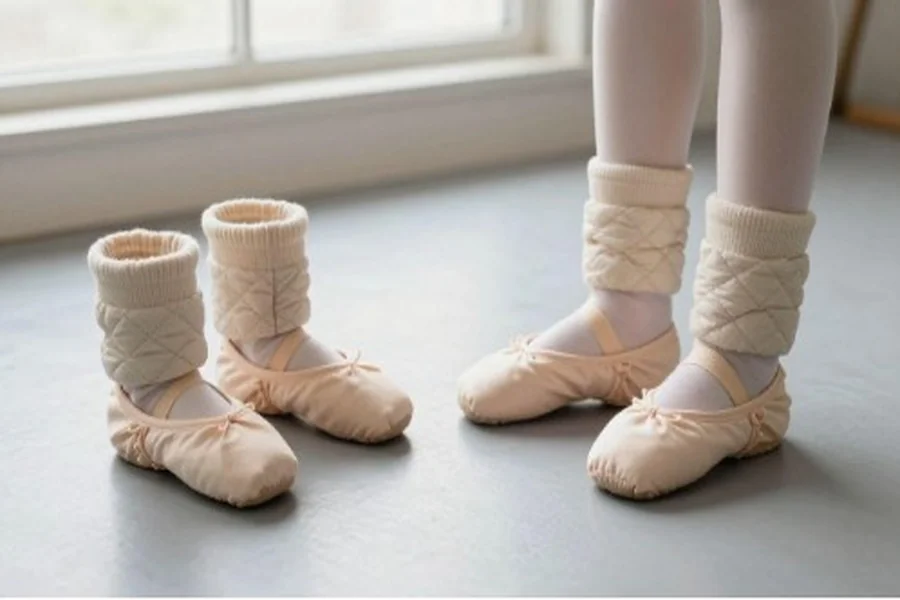
Comparing ballet slippers, jazz shoes, and warm-up footwear
Ballet slippers are designed for ballet instruction, while jazz shoes are used for styles that require different traction and support. Warm-up footwear has another role: keeping feet and legs comfortable before or between active sessions. Treating these categories as interchangeable can lead to an unsuitable purchase.
Families should begin with the class schedule and the teacher’s instructions. A dancer who attends more than one style may need separate shoes rather than one compromise pair. Warm-up footwear can then remain a comfort layer instead of being asked to perform as a class shoe.
Looking for secure soles and flexible construction
A dance shoe should stay attached during steps, turns, and transitions. Flexible construction allows the foot to articulate, while a secure sole provides a predictable connection with the floor. The balance depends on the dance style and should be checked in person when possible.
The shoe should not pinch the toes or slide around the heel. Dancers can try a few ordinary movements to notice pressure points and unwanted slipping. A close fit is useful, but it should never create numbness or pain.
Using warm-up booties between classes and rehearsals
Warm-up booties can help dancers keep their feet warm while waiting, traveling, or moving between rehearsals. They are not a replacement for the shoes required during instruction. Their practical value is greatest when they are easy to put on, remove, and carry.
A few habits make them easier to use:
- Keep them in a separate compartment of the dance bag.
- Put them on during breaks rather than wearing them for active classwork.
- Check the soles regularly for dirt, dampness, or damage.
- Let them dry fully before storing them away.
These simple steps help keep warm-up footwear ready without confusing it with studio footwear. They also reduce the chance that a dancer will arrive at the next class with damp or uncomfortable shoes.
Confirming studio rules before purchasing shoes
A studio may specify a shoe color, sole style, fastening method, or approved brand. Those details can vary even between classes at the same location. Checking first is faster and less expensive than trying to return a shoe that cannot be used.
Teachers can also advise on when a dancer should move from an introductory shoe to another style. Families should ask about sizing and break-in expectations as well. A clear answer makes the purchase more practical and reduces guesswork.
Considering durability, care, and cost per wear
Frequent dance practice places repeated stress on fabric, elastic, seams, and footwear. Durability is therefore connected to care, rotation, and how often an item is worn. A modest wardrobe can last well when each piece is used thoughtfully.
Selecting materials suited to frequent practice
Families should consider how often an item will be washed and how much movement it must handle. Materials that feel soft, recover their shape, and hold up through repeat wear are usually practical for regular classes. The exact choice still depends on the garment, the dancer’s preferences, and the studio environment.
A useful test is to think beyond the first try-on. The item should remain comfortable after a full class and manageable after laundering. If it only works under perfect conditions, its cost per wear may be higher than it first appears.
Following washing and drying instructions
Care labels provide the safest starting point for extending the life of dancewear. Washing similar colors together, using suitable temperatures, and avoiding unnecessary heat can help protect fabric and elastic. Families should also remove sweaty items from a closed dance bag when possible.
Care becomes easier when it is part of the return-home routine. A dancer can empty the bag, separate damp pieces, and place washable items where they will not be forgotten. Small habits reduce odors and make the next class easier to prepare for.
Reducing wear through proper storage and rotation
Storage affects garments even when they are not being worn. Overfilled drawers can stretch delicate pieces, while shoes left damp in a bag may lose freshness. A breathable space and a little room between frequently used items can make a difference.
Rotation spreads wear across several outfits instead of placing all the strain on one favorite. Families can organize the dance bag so clean basics are easy to find and used items are easy to separate. This keeps the wardrobe more predictable during busy weeks.
Comparing upfront price with expected use
Price is easier to judge when considered alongside frequency of wear. An item used several times a week may offer better value than a cheaper piece that feels uncomfortable or wears out quickly. Growth also matters, since a well-made item may still have a short practical life if the dancer outgrows it rapidly.
Families can estimate cost per wear by considering expected weeks of use, laundry demands, and likely replacement timing. That calculation does not need to be exact to be helpful. It simply shifts attention from the price tag to the role the item will play in the routine.
Creating a practical Stelle dance wardrobe
A practical wardrobe grows in stages rather than arriving in one large purchase. It starts with what the dancer needs for regular classes, then adds pieces for weather, rehearsals, and travel. Stelle Dancewear can fit within that broader routine when families want quality basics, modern colors, and sensible pricing without buying more than the dancer will use.
Starting with the essentials for regular classes
The first priority is enough classwear to cover the weekly schedule and laundry cycle. Families can begin with the required leotards, tights, and shoes, then add a second or third option as use increases. This keeps early purchases focused and avoids filling the closet with rarely worn pieces.
A basic checklist may include:
- Required class garments in approved colors.
- The correct shoes for each enrolled style.
- One comfortable warm-up layer.
- A reliable dance bag and laundry routine.
Once these basics are covered, families can see which gaps are genuine. The dancer’s schedule, not a long wish list, should guide the next purchase.
Adding layers for rehearsals and performances
Rehearsal days often involve more waiting, walking, and temperature changes than ordinary classes. A dancer may need layers that can be removed quickly while keeping the required outfit accessible. Performances may also call for specific garments, so families should wait for instructions before buying extras.
A small number of versatile layers can serve several settings. A warm-up piece may work for travel, rehearsal breaks, and cool studio mornings. Keeping those items coordinated with the classwear makes packing faster without requiring a complete matching set.
Planning purchases around growth and seasonal needs
Growth spurts and weather changes are natural moments to review the wardrobe. Families can measure the dancer, inspect current items, and compare the next season’s schedule before shopping. This reduces rushed purchases and makes it easier to identify what can continue to be used.
Seasonal planning does not mean buying far ahead in every size. Stretch-friendly layers may tolerate more change, while fitted items and shoes deserve closer timing. A measured approach helps avoid paying for clothing that becomes too small before it has had much use.
Using Stelle Dancewear as part of a longer-term routine
Stelle is described as offering girls’ ballet and dance essentials alongside athleisure, so it can fit into a routine that moves between class and everyday activities. The practical approach is to select pieces according to studio requirements, fit, and frequency of wear. That keeps the brand conversation grounded in the dancer’s needs rather than in impulse buying.
Over time, the wardrobe can be adjusted through regular fit checks and sensible rotation. Stelle dancewear may serve as one part of that process, alongside careful footwear choices and consistent garment care. The result is a smaller, more useful collection that supports growth without making every new season feel like a complete reset.
Conclusion
Growing dancers benefit from dancewear that fits well, moves easily, and works across the real demands of classes, rehearsals, travel, and recovery. A practical Stelle wardrobe begins with studio requirements, then builds thoughtfully through versatile layers, suitable shoes, regular care, and timely replacements. When families evaluate each item by comfort, durability, and cost per wear, dancewear becomes a dependable part of the dancer’s routine rather than another source of daily fuss.