How to Sell New and Used CNC Machines: A Complete Guide
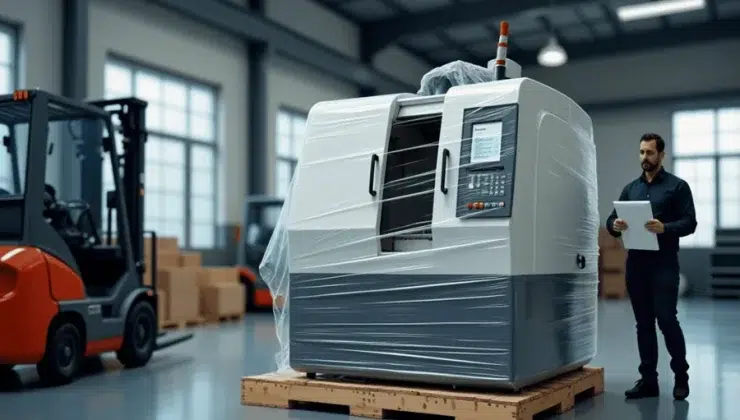
The CNC machine industry continues to grow as manufacturers invest heavily in automation, precision machining, and faster production systems. Companies regularly buy and sell CNC equipment to improve efficiency, upgrade technology, or free up factory space for newer operations.
Whether you are selling one machine or liquidating an entire production facility, understanding how the resale process works can help you attract serious buyers and secure better pricing. Selling CNC equipment involves far more than uploading a few photos online. Buyers expect detailed specifications, maintenance transparency, proper documentation, and proof that the machine is capable of reliable production.
Both new and used CNC machines can generate strong returns when marketed correctly. With the right preparation and strategy, sellers can move equipment efficiently while maximizing overall value.
Understand the CNC Machine Market
Before listing any CNC machine for sale, it is important to understand current market demand. Pricing and buyer interest often depend on machine type, condition, age, operating hours, and brand reputation.
Machines commonly traded in the resale market include CNC lathes, vertical machining centers, horizontal machining centers, Swiss type lathes, EDM systems, grinders, routers, and 5 axis machining centers. Demand remains strong across industries including aerospace, automotive, medical manufacturing, industrial fabrication, and energy production.
Brand recognition also affects resale value significantly. Manufacturers including Haas, Mazak, Okuma, Makino, DMG Mori, Doosan, and EMAG continue to attract strong interest because buyers trust their long term performance and service reliability.
Newer machines equipped with advanced controls and automation features often command premium prices. However, older machines that remain well maintained and operational still hold considerable value, especially for businesses searching for affordable production equipment.
Understanding current buyer demand helps sellers position their machines more effectively and avoid unrealistic pricing expectations.
Prepare the Machine Properly Before Selling
Presentation has a major influence on how quickly a CNC machine sells. Buyers are naturally more confident when equipment appears clean, organized, and production ready.
Start with a detailed inspection of the machine. Address visible issues including oil leaks, damaged covers, worn wiring, broken lights, or missing safety guards. Even minor repairs can improve buyer perception and help justify stronger pricing.
Cleaning the machine thoroughly is equally important. Remove chips, coolant buildup, dirt, and excess grease from all accessible areas. A clean machine immediately signals proper maintenance and professional ownership.
Gather manuals, tooling, maintenance records, inspection reports, and any additional accessories before creating the listing. Buyers appreciate complete documentation because it reduces uncertainty during the evaluation process.
Many businesses use Machine Tool Exchange when preparing to sell cnc machine equipment because the company focuses on industrial machinery transactions and works directly with buyers searching for brands including Haas, Mazak, Okuma, and EMAG. This often helps sellers connect with qualified buyers faster while simplifying equipment evaluations and transaction coordination.
Collect Complete Machine Information
Detailed information is critical when selling CNC machinery. Serious buyers expect accurate technical specifications before they invest time or money into inspections and negotiations.
Your listing should clearly mention the manufacturer, model number, year of manufacture, control system, spindle speed, machine travels, axis configuration, tool capacity, table size, and operating hours.
It is also important to mention any included accessories or upgrades. Rotary tables, chip conveyors, probing systems, bar feeders, tooling packages, and automation components can increase the overall value of the machine considerably.
Maintenance history is another major selling point. Buyers want reassurance that the equipment received proper care throughout its operating life. Records involving spindle replacements, software updates, electrical repairs, calibration work, or preventive maintenance schedules can increase buyer confidence significantly.
A detailed and transparent listing usually attracts more serious inquiries and reduces unnecessary back and forth communication.
Price the CNC Machine Correctly
Accurate pricing is one of the most important factors in a successful CNC machine sale. Equipment priced too high may sit unsold for months, while underpriced machines reduce potential profits.
Several factors influence CNC machine value. Age plays an important role because newer machines generally include updated technology and reduced wear. Overall condition matters just as much because production ready equipment naturally attracts stronger demand.
Brand reputation also impacts pricing heavily. Machines produced by Mazak, DMG Mori, Makino, and Okuma often maintain stronger resale value because of their reputation for durability and machining accuracy.
Current market demand should also be considered carefully. Automation ready equipment and multi axis machines often generate stronger interest than older conventional systems.
Researching similar machine listings can help sellers understand realistic market pricing. Equipment dealers and machinery specialists may also provide appraisals based on current industry conditions.
A realistic asking price attracts more qualified buyers and improves the likelihood of successful negotiations.
Use High Quality Photos and Videos
Strong visual presentation can dramatically improve buyer interest. Most buyers review photos before deciding whether to request additional information or schedule an inspection.
Take clear photos from multiple angles. Include wide shots of the entire machine along with detailed images of the spindle area, control panel, work zone, electrical cabinet, tooling, and accessories.
Lighting is important because poor quality photos can make even a good machine appear neglected. Clean surroundings also improve the overall presentation and create a more professional impression.
Videos can be even more effective than photos. A short operational video demonstrating spindle rotation, tool changes, axis movement, and startup procedures helps buyers verify machine functionality and operating condition.
Professional looking listings usually receive stronger engagement and more serious inquiries.
Write a Clear and Professional Listing
An effective listing should combine technical accuracy with readable and professional language. Buyers want detailed information without exaggerated claims or vague descriptions.
Avoid generic phrases that provide little value. Instead, explain the actual condition and capabilities of the machine. Mention operating hours, included accessories, maintenance history, and whether the machine remains under power for inspection.
A detailed description immediately builds credibility and helps buyers determine whether the machine fits their production needs.
Professional communication also matters throughout the process. Fast responses and accurate answers create confidence and improve the overall buying experience.
Decide How You Want to Sell
There are several ways to sell CNC machinery, and the best option depends on your timeline and business goals.
Some sellers prefer handling private sales independently because they maintain full control over pricing and negotiations. However, this approach also requires managing inspections, paperwork, logistics, and buyer communication directly.
Others choose to work with industrial equipment dealers because they already maintain extensive buyer relationships and industry contacts. Dealers may purchase machines outright or help facilitate transactions between buyers and sellers.
Auctions are another option for companies liquidating large amounts of equipment quickly. While auctions can move machinery efficiently, final pricing sometimes depends heavily on bidding activity and market demand at the time of sale.
The right selling method depends on how quickly the equipment needs to move and how involved the seller wants to be throughout the process.
Prepare for Buyer Inspections
Most serious buyers request inspections before finalizing a CNC machine purchase. Some inspections happen in person, while others are conducted through live video demonstrations.
Before the inspection, ensure the machine is clean, powered on, and operational. Prepare any manuals, maintenance records, tooling lists, and service documents in advance.
Buyers may ask detailed questions regarding machine accuracy, spindle condition, maintenance schedules, previous production applications, and software versions. Professional preparation creates trust and demonstrates that the equipment has been properly maintained.
A smooth inspection process often increases buyer confidence and speeds up final negotiations.
Understand Transportation and Logistics
CNC machines require specialized transportation because of their size, weight, and complexity. Planning logistics properly is an important part of the sales process.
Transportation may involve rigging, disassembly, loading, freight shipping, and installation coordination. International shipments may also require customs paperwork and export documentation.
Clarify transportation responsibilities early during negotiations. Some sellers provide loading assistance, while buyers arrange shipping independently.
Working with experienced rigging and transportation companies helps reduce risks associated with machine damage during transit.
Negotiate Professionally
Negotiation is a normal part of industrial equipment sales. Buyers frequently request price adjustments, additional tooling, inspection contingencies, or shipping assistance.
Successful negotiations depend on preparation and professionalism. Sellers should understand the machine’s realistic market value before discussions begin and support pricing with maintenance records, machine condition details, and comparable sales information.
Clear communication and prompt responses help maintain buyer confidence throughout the process. Professional behavior often leads to smoother transactions and fewer complications.
Flexibility can help finalize deals faster, but preparation prevents unnecessary concessions.
Avoid Common Selling Mistakes
Many CNC machine sellers lose opportunities because of avoidable mistakes. One of the most common issues is unrealistic pricing based on emotional attachment instead of actual market demand.
Poor presentation is another major problem. Dirty equipment, incomplete listings, and low quality photos immediately reduce buyer confidence.
Slow communication can also hurt potential sales. Buyers often compare multiple machines simultaneously, and delayed responses may push them toward competing listings.
Honesty and transparency are extremely important. Clear communication regarding machine condition helps avoid disputes and builds stronger trust between buyers and sellers.
Why Used CNC Machines Continue to Sell Strongly
The used CNC machine market continues growing because manufacturers constantly search for cost effective production solutions. Purchasing used equipment allows businesses to reduce capital spending while still increasing machining capacity.
Used machinery often offers faster availability compared to ordering new equipment, which can involve long manufacturing and delivery lead times. Buyers also appreciate the reduced depreciation associated with pre owned machines.
Rising production costs and supply chain delays have further increased demand for quality used equipment across many manufacturing sectors.
For sellers, this creates strong opportunities to recover value from surplus or upgraded machinery.
Conclusion
Selling new and used CNC machines successfully requires preparation, accurate pricing, strong presentation, and professional communication. Buyers want confidence that the equipment they purchase will operate reliably and support production requirements without unnecessary risk.
Machines that are clean, well documented, and properly maintained consistently attract more attention and stronger offers. Detailed listings, quality photos, operational transparency, and realistic pricing all contribute to faster and more profitable transactions.
Whether you are upgrading production equipment, downsizing operations, or liquidating surplus assets, understanding the CNC resale process can help you navigate the market more effectively and achieve better results.