How Rapid Urine Drug Tests Quietly Became a Standard Tool in Recovery and Workplace Programs
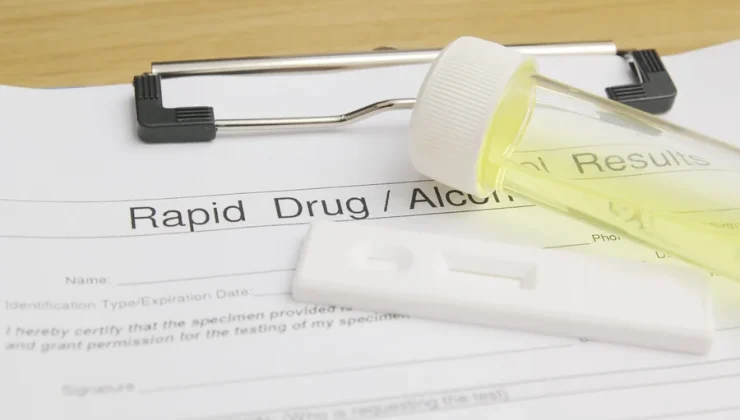
Drug testing used to be a slow, clinical event. A sample was collected, packaged off to a laboratory, and the result returned days later at clinical prices. For most of the people who need drug testing today, that workflow no longer matches the way the testing is actually used. Sober living homes monitor residents on a randomised schedule. Outpatient recovery programs verify abstinence before contingent rewards are issued. Small employers run pre-employment and post-incident screens and need the answer the same day. Families coordinate with a clinician on at-home check-ins. None of these settings can wait for a laboratory turnaround.
The infrastructure that closed that gap is the modern instant urine drug test cup. Reliable kits now carry CLIA-waived status and FDA clearance, sit in the one to three dollar range per unit through specialist suppliers, and cover everything from a five panel basic screen to a 28 panel comprehensive cup that includes EtG, fentanyl, and adulterant detection.
How a modern cup actually works
A typical instant cup is a sealed all-in-one container with integrated test strips inside the cup wall. The donor provides the sample directly into the cup. Lateral flow assay strips inside the cup begin reacting immediately, and a control line and test line on each strip indicate the result within roughly five minutes. There is no transfer of urine between containers, no separate handling of strips, and no waiting on a lab for a preliminary screen.
Modern cups also include safeguards that older formats relied on testers to handle manually. A temperature strip on the side of the cup shows whether the sample is at body temperature, which makes substitution with cold water or synthetic urine immediately visible. Adulterant strips check for creatinine, pH, oxidants, specific gravity, and in some configurations nitrites, so the tester knows whether the sample itself has been tampered with before any drug result is read.
Where instant cups fit inside recovery and treatment
Inside structured recovery, instant cups support three things at once. They give counselors a fast, low-friction way to verify abstinence before contingent rewards are issued in Contingency Management protocols. They support residential rules in sober living homes by enabling randomised screening on a sustainable cadence. And they reduce the cost barrier that quietly forces under-resourced programs to test less often than the clinical evidence suggests they should.
Reliable suppliers in this space stock Drug Test Cups across 5, 10, 12, 14, 16, and up to 28 panel configurations, with promotional pricing on bulk and core configurations so that programs running high-volume routine screening can keep the per-cup cost low without changing panel structure or manufacturer.
Where they fit inside workplaces
Workplace use cases follow the same logic. Pre-employment screening, random testing, reasonable-suspicion testing, and post-incident testing all benefit from an answer the same day rather than three days later. Industries where alcohol, buprenorphine, or fentanyl exposure matters operationally, including transportation, construction, manufacturing, and healthcare-adjacent roles, also benefit from the broader panel coverage that 14 and 16 panel cups provide.
In every workplace context, the cup is the screening step. Any non-negative result is then confirmed by a certified laboratory using gas chromatography mass spectrometry or liquid chromatography mass spectrometry. Two-step testing is the standard recommended approach and the model most professional employers, EAP programs, and SAMHSA-aligned testing programs follow.
What to look for when buying
Buyers should evaluate four things. The list of substances detected, since panel configurations vary even at the same panel count. The regulatory status, including CLIA waiver and FDA clearance documentation. The presence of built-in safeguards including temperature strip and adulterant detection. And the supplier’s track record on batch consistency, expiration dating, and chain of custody documentation for any cases that may need to stand up to a workplace or legal review.
Frequently Asked Questions
How accurate are instant drug test cups? Reliable kits from established manufacturers report accuracy around 99 percent for preliminary screening. Any non-negative result should be confirmed by a certified laboratory before any definitive conclusion is drawn.
Are instant cups CLIA waived and FDA cleared? Reputable cups carry CLIA waiver and FDA clearance, which means they can be used outside a high-complexity laboratory in workplaces, treatment programs, and household settings.
How fast do results appear? Most cups produce a readable preliminary result within three to five minutes after the sample is collected.
What does the temperature strip on the cup do? It shows whether the collected sample is within the normal human body temperature range, which is a fast indicator that the sample is fresh rather than substituted.
What is the difference between a 5, 12, 16, and 28 panel cup? The number refers to how many drug classes or markers the cup screens for. Higher panel counts add substances such as buprenorphine, tramadol, EtG for alcohol, fentanyl, ketamine, and other prescription or synthetic substances.
Can instant cups be used in Contingency Management or sober living settings? Yes. Instant cups are widely used in Contingency Management protocols and sober living homes to verify abstinence on a randomised schedule, with non-negative results sent to a lab for confirmation.
Can the result be used in a legal or court-ordered context? The cup is the screening step. Any result used in a legal context should be confirmed by a certified laboratory under documented chain of custody.