From Pixel to Podium: The Rise of Esports in The Olympics
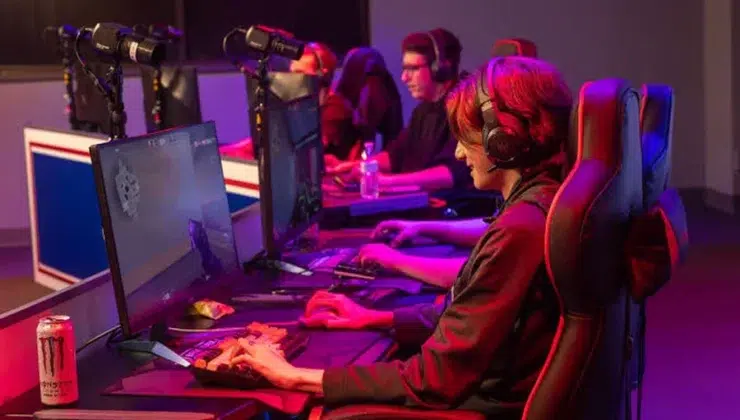
For decades, the boundary between traditional sports and competitive video gaming seemed insurmountable. Traditionalists argued that sports required physical exertion on a field, court, or track, while video games belonged in living rooms and arcades. However, as digital culture expanded and gaming evolved into a multi-billion-dollar global industry, the definition of athleticism began to shift. Today, the journey from local LAN parties to the global Olympic stage is no longer a distant dream—it is an unfolding reality.
The Path to Olympic Recognition
The intersection of esports and the Olympic Movement did not happen overnight. It began with cautious experimentation:
- Regional Trailblazers: Events like the Asian Games were among the first major multi-sport events to include esports, first as a demonstration sport in 2018 and later as a full medal event at the 2022 Asian Games in Hangzhou.
- The Olympic Virtual Series (2021): Amid global shifts toward digital engagement, the International Olympic Committee (IOC) launched its first official virtual event, focusing primarily on virtual representations of traditional sports such as cycling, rowing, and motorsport.
- Olympic Esports Week (2023): Held in Singapore, this event brought together elite digital athletes across titles ranging from Gran Turismo to tactical shooters, proving that virtual competition could draw massive global viewership and passionate live crowds.
The turning point arrived when the IOC formally voted to create the Olympic Esports Games, establishing a dedicated, standalone Olympic platform designed specifically for competitive gaming.
Bridging Two Distinct Worlds
Integrating esports into the Olympic framework requires balancing long-standing Olympic values with the fast-paced nature of the gaming industry. Unlike traditional sports governed by non-profit international federations, video games are intellectual property owned by private publishers.
Furthermore, game selection remains a key talking point. The IOC prioritizes titles that promote sportsmanship, physical-virtual hybrids (like smart-bike cycling), and non-violent competitive dynamics. Finding a permanent slot on the international sporting calendar has required unprecedented collaboration between game developers, national Olympic committees, and player organizations.
Why the Olympics Needs Esports (and Vice Versa)
The convergence of traditional sports and esports is a mutually beneficial partnership:
- Reaching a Digital-Native Generation: The average age of traditional sports broadcast viewers has steadily climbed. Esports offers direct access to hundreds of millions of Gen Z and Gen Alpha fans who consume media primarily through digital streaming platforms.
- Global Legitimization: For esports competitors, inclusion under the Olympic umbrella offers formal recognition as elite athletes. It grants access to sports science, mental conditioning, national training facilities, and athletic visas.
- Inclusivity and Accessibility: Esports breaks down many of the physical and geographical barriers inherent in traditional sports, allowing players of diverse backgrounds and physical capabilities to compete at the highest level on an equal playing field.
The Future of Competitive Gaming
The rise of esports in the Olympic Movement marks a historical shift in how society defines competition. The mental acuity, reaction speeds, tactical depth, and hours of rigorous preparation required by pro gamers mirror the dedication of traditional Olympians. As physical and digital sports continue to blend, the podium is expanding—proving that championship grit looks just as compelling behind a screen as it does on a track.