Home Sauna UK: A Complete Buyer’s Guide for 2026
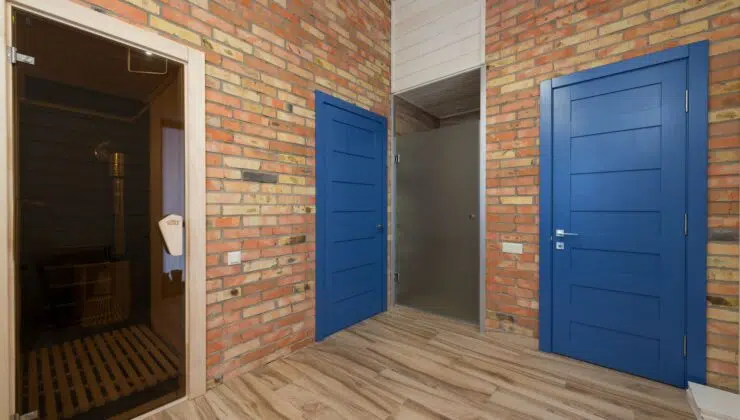
The home sauna is no longer the preserve of large properties with dedicated wellness rooms. Advances in product design, the availability of compact models, and a significant expansion of what the UK market offers have made it a realistic investment for a wide range of homeowners. Whether the goal is stress relief, better sleep, recovery from physical activity, or simply creating a space that feels genuinely different from the rest of the house, a home sauna delivers on all of these consistently.
This guide covers the main types of home sauna available in the UK, the health benefits that research supports, what installation involves, and how to navigate the buying decision.
Types of Home Sauna
Three main categories cover most of what is available to UK homeowners.
Traditional saunas use an electric heater loaded with volcanic stones to raise the air temperature inside a small, insulated room. Temperatures typically reach between 70 and 100 degrees Celsius. Water poured over the heated stones produces a brief burst of steam that raises the perceived intensity of the session without dramatically increasing air temperature. This is the closest experience to what is offered in commercial spa environments and is the format most commonly associated with the Finnish sauna tradition.
Infrared saunas use radiant panels rather than a heater to deliver heat. Rather than warming the air in the cabin, infrared panels emit wavelengths of heat energy that are absorbed directly by the body. The air temperature inside an infrared cabin is much lower, typically 40 to 60 degrees Celsius, but the penetration of heat into soft tissue produces many of the same physiological effects as traditional sauna. Infrared models are particularly suitable for homeowners who find the intense heat of a traditional sauna difficult to tolerate.
Steam rooms produce moist heat rather than dry heat, filling the cabin with steam at temperatures of around 40 to 50 degrees Celsius. The high humidity creates a different sensory experience and is often preferred by those with specific skin or respiratory health interests.
For domestic installation in the UK, the most common categories are traditional garden cabin saunas installed as outdoor structures and indoor infrared cabins positioned in a spare room, bathroom, or garage.
The Health Benefits of Regular Sauna Use
The research base supporting sauna use for health is more substantial than many buyers realise. Long-running studies in Finland, where sauna use is deeply embedded as a cultural practice, have tracked tens of thousands of participants over decades and found strong associations between regular sauna sessions and reduced risk of cardiovascular events, lower blood pressure, and improved outcomes for several chronic conditions.
Heat exposure produces a controlled physiological stress response. The heart rate increases, blood vessels dilate, and circulation improves throughout the body. Core temperature rises, stimulating the immune system and promoting the production of heat shock proteins that assist in cellular repair. This combination of effects appears to produce cumulative benefit, meaning that a consistent weekly practice generates more meaningful health outcomes than occasional use.
Mental health benefits are also well documented. Regular sauna users consistently report improvements in mood, reduced anxiety levels, and better sleep quality. The enforced disconnection from screens, the physical sensation of heat, and the enforced stillness of a session all contribute to a state of recovery that is difficult to achieve through other means. Several studies have specifically examined the relationship between regular sauna use and reduced symptoms of depression, with positive findings.
For those who train physically, sauna use after exercise accelerates muscle recovery by promoting blood flow to fatigued tissue and supporting the removal of metabolic waste products. Many athletes include sauna sessions as a deliberate component of their recovery routine.
Choosing Between Outdoor and Indoor Installation
This decision primarily comes down to available space, budget, and the heat intensity preferred.
Outdoor garden cabin saunas are typically larger timber-framed structures that can comfortably accommodate two or more people. They are installed as standalone buildings in the garden and, for most residential properties, fall within permitted development rights without requiring planning permission. The timber construction, dedicated ventilation, and separation from the main house make outdoor cabins well suited to the higher temperatures of traditional sauna use. Many homeowners regard a quality outdoor sauna as a significant lifestyle enhancement that also adds appeal to the property.
Indoor saunas are better suited to homeowners who do not have garden space or who prefer year-round access without going outside. Infrared models are particularly practical indoors because they operate at lower temperatures and produce no steam, meaning standard room ventilation is typically sufficient. Traditional indoor saunas require more careful planning of ventilation and moisture management to protect surrounding structures.
Exploring options for a home sauna UK designed for domestic installation gives access to models specifically built for UK conditions, with appropriate insulation ratings, electrical specifications, and size options suited to typical UK room dimensions and garden plots.
Installation Requirements
Electric sauna heaters in traditional models typically draw between six and nine kilowatts and require a dedicated 32-amp electrical supply. Installation of this supply should be carried out by a qualified electrician and needs to comply with Part P of the Building Regulations for work within a domestic property.
Infrared saunas draw considerably less power. Most domestic models run on a standard 13-amp plug-in supply, which means no dedicated circuit is needed and the cabin can simply be positioned and connected.
For outdoor installations, weatherproof cabling and appropriate outdoor electrical fittings are required. If the sauna is sited more than a short distance from the house, trenched underground cabling produces the cleanest and most permanent result.
Traditional saunas also need adequate ventilation to allow air exchange during sessions and to let the interior dry out fully between uses, which prevents mould and extends the lifespan of the timber lining.
What It Costs
Entry-level two-person infrared cabins are available from around six hundred pounds. Quality mid-range infrared models for two to three people typically cost between one and three thousand pounds. Traditional outdoor timber saunas for two to four people start at approximately two thousand pounds and rise to six thousand or more for larger, premium-specification structures.
Installation costs for infrared models that plug in directly may be minimal beyond delivery and positioning. For traditional saunas requiring dedicated electrical work, concrete base preparation, and potentially outdoor cabling, installation costs of five hundred to fifteen hundred pounds are typical.
Running costs are modest. An infrared sauna used for a forty-five minute session costs approximately ten to twenty pence in electricity at current UK rates. A traditional sauna heater costs more to run per session but is generally used for shorter individual sessions. Over the lifespan of the product, the cost per session is low relative to the alternative of paying commercial spa rates.
Maintenance
Timber sauna interiors require no varnish or oil on the benches and interior walls, as these products off-gas at sauna temperatures in ways that are unpleasant and potentially harmful. Benches can be lightly sanded when they become rough or discoloured over time.
After each session, ventilate the interior fully to allow moisture to escape and prevent mould development on the timber surfaces. A light wipe of any pooled water on the benches and floor speeds drying.
For traditional saunas, the heater stones should be inspected annually and any cracked or disintegrated stones replaced. The heater itself has a working life of ten to twenty years with regular use. Infrared panels require very little maintenance: periodic cleaning of the panel surfaces and an occasional check of wiring connections is sufficient for most models.
Frequently Asked Questions
Does a home sauna add value to a property?
Yes, in most cases. A quality outdoor sauna cabin or indoor infrared unit is viewed as a lifestyle feature by an increasing number of buyers, and the current market for wellness-oriented home improvements makes it a net positive for both saleability and value in most areas.
How long should a session last?
Beginners typically start with ten to fifteen minute sessions. Experienced users usually settle on fifteen to thirty minutes. The most important practice is cooling down properly between sessions and staying well hydrated throughout.
Can I install an infrared sauna myself?
Yes. Most infrared cabins are designed for self-assembly by a competent homeowner and come with panel-by-panel instructions. Traditional saunas benefit from professional electrical installation and, for outdoor structures, professional assembly if you want the result to be watertight and structurally sound.
Is sauna use safe for people with health conditions?
For most healthy adults, sauna use is safe and beneficial. Individuals with cardiovascular conditions, high blood pressure that is not well managed, or who are pregnant should consult a doctor before beginning a regular sauna practice. The heat places a real physiological demand on the body, and individual circumstances vary.
What is the best temperature for a first session?
For a traditional sauna, starting at the lower end of the temperature range, around 60 to 70 degrees Celsius, is more comfortable for new users than going straight to 90 or 100 degrees. For infrared, 40 to 45 degrees Celsius allows the body to adjust gradually.
How much space does a home sauna need?
A compact two-person infrared cabin requires approximately 1.2 by 1.0 metres of floor space with around two metres of height clearance. Traditional outdoor cabin saunas for two people typically occupy a footprint of around 1.5 by 1.5 metres, rising to two by two metres or larger for models designed to seat four or more.