Wood Fired Hot Tubs: Benefits, What to Buy, and How to Make the Most of One
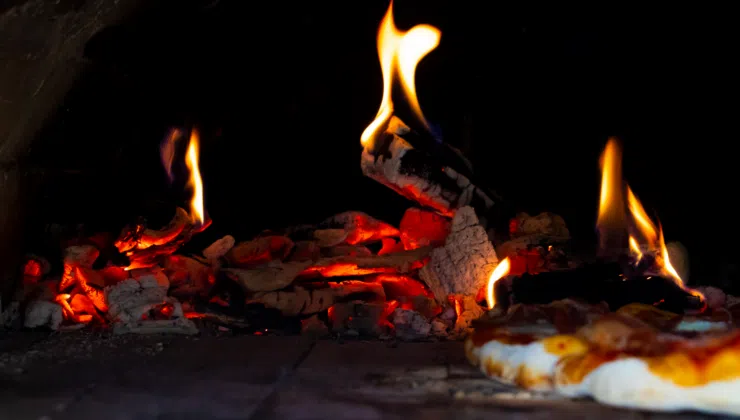
The idea of stepping into a steaming outdoor tub after a long day, with a fire burning to one side and the evening sky overhead, has gone from aspirational to genuinely achievable for many UK homeowners. Wood-fired hot tubs have moved from an item associated with rural holiday lets and Nordic spa retreats into a realistic garden investment for households that want a meaningful way to relax at home.
The appeal goes deeper than aesthetics. There are real physiological benefits to regular warm water immersion, the running costs are lower than many buyers expect, and the experience of a wood-fired session has a quality that electric alternatives consistently struggle to match. This guide explains why, and what to look for when the time comes to buy.
The Wellness Case for Soaking
Hot water immersion has been used therapeutically across cultures for thousands of years. Nordic barrel saunas, Roman bathhouses, Japanese onsen, and traditional hammams share a common foundation: applying heat to the body in a controlled way produces measurable physical and psychological benefits.
Research published over the past two decades has examined these effects more rigorously. Immersion in water at soaking temperature raises the heart rate and dilates blood vessels, increasing circulation throughout the body. Muscle tension decreases as heat penetrates soft tissue, making a post-exercise or end-of-day soak particularly effective for people who carry physical tension in their back, shoulders, or legs.
The nervous system responds to warm water by reducing its stress alertness. The parasympathetic side of the autonomic nervous system takes over, promoting a state of calm that many regular soakers recognise as the reason they sleep better on evenings when they have used the tub. Studies have found measurable reductions in cortisol levels following extended warm water immersion, and consistent use appears to accumulate these effects over time.
For people with joint discomfort, chronic muscle soreness, or tension-related headaches, regular soaking provides practical relief that is accessible and low-risk for most healthy adults.
How Wood-Fired Heating Differs From Electric
The most straightforward difference is the heat source. A wood-fired tub uses dry hardwood burning in a stove to heat the water gradually, rather than drawing from the electrical grid to power a heating element that runs continuously.
This has several practical consequences. There is no electrical connection required for the heating function, which means the tub can be positioned wherever suits the garden without the constraint of proximity to an outdoor power supply. There is no standing running cost when the tub is not in use, since the fuel cost is only incurred when a session actually happens. And the experience of heating via fire has a tactile and sensory quality that electric systems cannot replicate: the smell of wood smoke, the visual presence of a flame, and the gradual warmth of a fire building over a couple of hours all contribute to an atmosphere that begins well before anyone gets into the water.
From a cost perspective, wood-fired tubs are generally less expensive to purchase than electric models of comparable quality. The ongoing fuel cost is modest, particularly for households with access to affordable or local firewood. Over a period of years, the total cost of ownership for a quality wood-fired tub compares very favourably with an electric alternative that carries a continuous electricity cost for temperature maintenance.
What Makes a Good Wood-Fired Hot Tub
The material of the tub itself is the first consideration. Nordic spruce is the traditional choice and is well suited to outdoor use when properly constructed. Thermowood, which is heat-treated pine or spruce, offers improved resistance to moisture-related movement and a warm brown colour that many buyers prefer. Both are valid choices from a reputable supplier.
Stave thickness and construction quality determine how well the tub holds its shape and seal over time. Tubs assembled with thicker staves and properly tensioned metal banding tend to hold up better through repeated filling, emptying, and temperature cycling than thinner-walled alternatives that prioritise low purchase price.
The stove is often the component that most clearly separates quality products from cheaper alternatives. A stove built from marine-grade stainless steel resists the combination of high heat, moisture, and ash that causes lower-grade materials to corrode relatively quickly. A painted steel stove may appear fine at purchase but can deteriorate noticeably within two to three seasons.
Wood Fired Hot tubs from suppliers focused on the UK domestic market are built to withstand year-round outdoor conditions and come in a range of sizes from compact two-person models to larger vessels designed for group use. Choosing the right size for realistic use is important, since a tub that is consistently over-capacity for its typical occupants is less comfortable, while a very large tub requires more firewood and longer heating times than a household with irregular use actually needs.
Installation and Site Requirements
Wood-fired hot tubs are not complicated to install, but the site preparation matters. The base needs to be stable, level, and capable of supporting the weight of the filled tub. A concrete pad or solid paving is the best option. Soft ground, loose gravel, or inadequately reinforced decking can shift over time and create problems with the vessel's level and structural integrity.
Most tubs can be assembled by a competent homeowner following the manufacturer's instructions over a weekend. A garden hose connection for filling and a planned drainage route for emptying are the practical requirements beyond the base.
Planning permission is generally not required for a wood-fired hot tub installed in a residential garden, as it is classified as a movable structure. Households in conservation areas or with specific planning conditions should check with their local planning authority before proceeding.
Ongoing Maintenance
Water care is the main ongoing responsibility. A basic sanitising routine using chlorine tablets or a bromine product, combined with pH testing two or three times a week, keeps the water clean and comfortable. Without a filter, the water typically needs to be changed every two to three weeks. Tubs with a filtration system extend this interval.
After each session, the stove should be allowed to cool fully before ash is cleared. Regular cleaning of the firebox and chimney keeps the draw effective and prolongs the stove's working life.
The exterior timber benefits from annual treatment with a water-based wood oil, which slows weathering and maintains appearance without compromising the timber's ability to move slightly with temperature and moisture changes.
Frequently Asked Questions
Do wood-fired hot tubs require planning permission in the UK?
In most residential settings, no. They are classified as movable garden structures and fall within permitted development. Households in conservation areas or listed buildings should confirm with their local planning authority.
Can the tub be used all year?
Yes. A quality timber tub is built for year-round outdoor use. Winter soaking is particularly popular because the contrast between the hot water and cold air is part of the appeal, and well-built tubs retain heat effectively even in cold conditions.
How much firewood is needed per session?
Typically two to four kilograms of dry hardwood to heat the tub from cold, with smaller amounts added to maintain temperature during the session. The exact quantity depends on the tub's volume, the starting water temperature, and the ambient temperature.
Is it safe for children to use a wood-fired hot tub?
Yes, with adult supervision. The water temperature should be kept at the lower end of the comfortable soaking range for younger users. The stove area should remain off limits until fully cooled after use.
How long does a wood-fired hot tub last?
With consistent maintenance, a quality timber tub lasts between ten and twenty years. The stove typically needs replacement after eight to fifteen years, depending on use.