How do HVAC Contractors Reduce Wear and Tear on Heating and Cooling Systems?
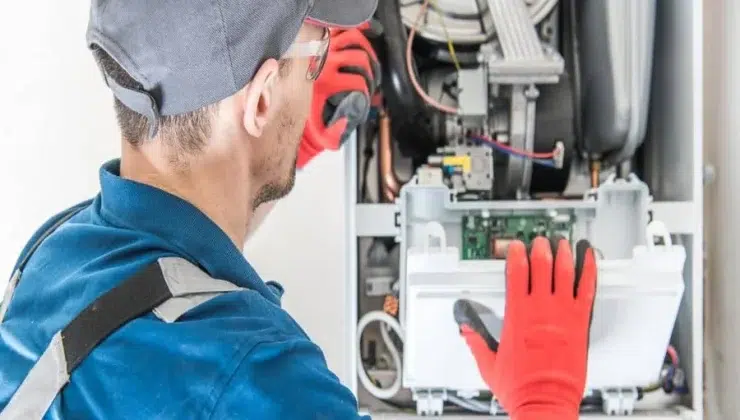
Wear and tear a natural parts of any mechanical system, but in HVAC equipment, unmanaged wear can lead to efficiency loss, rising energy costs, and unexpected failures. Heating and cooling systems operate for thousands of hours each year, responding to changing temperatures, humidity levels, and occupancy demands. HVAC contractors focus on reducing wear and tear by maintaining balance, improving operating conditions, and addressing small issues before they escalate. Their role goes beyond fixing breakdowns and instead centers on preserving system health over time. Understanding how HVAC contractors reduce wear and tear helps property owners see why consistent professional attention directly contributes to longer system life and more dependable indoor comfort.
Preserving System Longevity
-
Maintaining Smooth and Balanced Operation
One of the primary ways HVAC contractors reduce wear and tear is by ensuring that systems operate smoothly rather than under constant strain. Imbalances in airflow, pressure, or workload can force components to operate beyond their intended limits. Contractors evaluate how air moves through the system and how often equipment cycles on and off. Short cycling, for example, increases mechanical stress on motors and compressors. By correcting these issues, contractors enable systems to run more consistently. In areas such as Forest City, NC, contractors often find that long-term wear issues stem from years of unbalanced operation rather than a single mechanical failure. Stabilizing system behavior reduces friction, overheating, and repetitive stress that shorten component lifespan.
-
Reducing Strain Through Proper Adjustment
HVAC contractors make precise adjustments to reduce unnecessary strain on system components. This includes calibrating controls, verifying thermostat accuracy, and ensuring that sensors respond correctly to environmental conditions. When controls are misaligned, systems may run longer or more frequently than needed. Contractors adjust settings so that equipment responds appropriately to actual demand rather than reacting aggressively to minor temperature changes. These refinements reduce excess runtime and limit the cumulative stress placed on moving parts. Over time, even small adjustments can significantly reduce wear.
-
How Wear Reduction Works
Reducing wear and tear involves stabilizing HVAC system operation rather than increasing output. Contractors focus on airflow balance, proper cycling, and accurate controls. When these elements align, components experience less friction and heat stress. This approach supports consistent performance and helps equipment age more evenly.
-
Cleaning and Preventive Care
Dirt and debris are major contributors to wear in HVAC systems. HVAC contractors reduce wear by keeping critical components clean and unobstructed. Dust buildup on coils interferes with heat transfer, forcing systems to work harder to achieve the same result. Debris in blowers or vents increases resistance and motor strain. Contractors clean these areas during routine service to restore efficient operation. Preventive cleaning reduces component load and prevents overheating. This care allows systems to perform as designed rather than compensating for avoidable restrictions.
-
Supporting Mechanical Integrity
Mechanical parts such as belts, bearings, and fasteners experience gradual wear during normal operation. HVAC contractors inspect these elements regularly to ensure they remain secure and properly aligned. Loose or worn parts can create vibration, noise, and uneven operation, accelerating wear across the system. Contractors tighten connections, replace worn components, and address alignment issues early. Supporting mechanical integrity prevents small defects from spreading stress to surrounding parts. This attention preserves overall system stability and reduces the risk of cascading failures.
-
Managing Electrical Stress
Electrical components also contribute to system wear when not properly managed. HVAC contractors inspect wiring, connections, and control boards to ensure consistent electrical flow. Voltage irregularities or loose connections can cause components to overheat or fail prematurely. By addressing these issues early, contractors protect motors and controls from electrical stress. Stable electrical performance supports smoother startup and shutdown cycles, reducing mechanical shock and extending component life.
-
Adapting Systems to Changing Conditions
Environmental and usage changes can increase wear if systems are not adjusted accordingly. HVAC contractors reassess system performance when buildings are renovated, occupancy changes, or usage patterns shift. These changes may require adjustments to airflow or control updates to maintain balance. Without adaptation, systems may operate under conditions for which they were not designed, increasing strain. Contractors ensure that systems evolve alongside their environment, preserving performance and reducing unnecessary wear.
-
Encouraging Informed System Use
Contractors also reduce wear by educating property owners about proper system use. Simple behaviors, such as avoiding frequent thermostat changes or recognizing early warning signs, can make a difference. Clear guidance helps owners avoid actions that unintentionally increase wear. When users understand how systems respond to demand, they can support smoother operation between service visits. This collaboration between contractor and owner reinforces long-term system health.
HVAC contractors reduce wear and tear by stabilizing system operation, managing airflow and controls, and addressing small issues before they escalate. Through cleaning, mechanical support, electrical inspection, and adaptive adjustments, they help systems operate efficiently without unnecessary strain. This proactive approach allows heating and cooling equipment to age more evenly, reducing breakdowns and extending service life. Understanding how contractors manage wear underscores the need for regular professional care to maintain reliable, cost-effective HVAC performance over time.