Building a Risk-Resilient Supply Chain with Technology
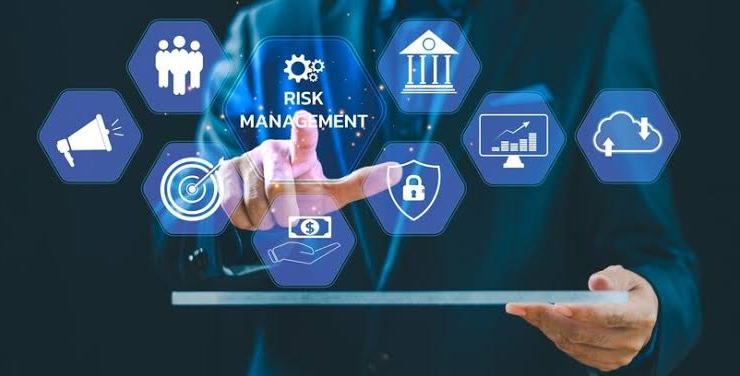
Global supply chains are under increasing pressure from geopolitical uncertainty, climate events, labor shortages, and rapidly changing customer demand. As businesses expand across markets and supplier networks become more complex, even a single disruption can trigger production delays, inventory shortages, and rising operational costs. According to Gartner, by 2028, 25% of supply chain KPI reporting is expected to be powered by AI, reflecting the growing need for real-time visibility and data-driven decision-making across increasingly complex supply chains.
Traditional supply chain processes that rely on manual planning, disconnected systems, and reactive decision-making are no longer sufficient to manage today's risks. Investing in supply chain risk management software enables organizations to identify vulnerabilities earlier, monitor supplier performance, and respond to disruptions before they escalate into costly business issues.
Digital transformation is at the core of building a resilient supply chain. By combining cloud platforms, automation, AI-driven analytics, and real-time data integration, businesses can improve forecasting, strengthen collaboration across partners, and adapt more quickly to unexpected changes. A scalable digital strategy helps organizations reduce risk while maintaining operational efficiency and long-term competitiveness.
How Cloud Platforms Improve Supply Chain Visibility
Cloud platforms provide end-to-end visibility by connecting suppliers, warehouses, manufacturers, and logistics partners through a centralized data environment. Instead of relying on disconnected systems and manual updates, businesses gain access to real-time information that supports faster, more informed decision-making.
Centralized Data Across the Supply Chain
Cloud solutions consolidate data from ERP, WMS, TMS, and supplier systems into a single source of truth. This improves data consistency, eliminates silos, and gives every stakeholder access to the same up-to-date information.
Real-Time Inventory and Shipment Tracking
With real-time tracking, businesses can monitor inventory levels, shipment status, and potential delays across the supply chain. Automated alerts enable teams to respond quickly to disruptions, reduce stockouts, and improve order fulfillment.
Faster Collaboration During Disruptions
Cloud platforms make it easier for suppliers, warehouses, and logistics partners to share information and coordinate responses when unexpected events occur. This improves communication, speeds up problem resolution, and helps maintain business continuity.
How AI, Blockchain, and Automation Reduce Risk
Emerging technologies are helping businesses proactively identify, manage, and mitigate supply chain risks. By combining AI, blockchain, and automation, organizations gain greater visibility, improve decision-making, and respond faster to disruptions.
AI for Demand Forecasting and Risk Prediction
AI analyzes historical data, market trends, weather conditions, and customer demand to forecast potential disruptions and optimize inventory levels. It also helps identify supplier risks, predict delays, and recommend proactive actions before issues impact operations.
Blockchain for Traceability and Supplier Transparency
Blockchain creates a secure, tamper-proof record of every transaction across the supply chain. This improves product traceability, verifies supplier compliance, reduces fraud, and enables faster identification of affected products during recalls or disruptions.
Automation for Faster Workflows and Fewer Manual Errors
Automation streamlines repetitive tasks such as order processing, inventory updates, invoice management, and shipment tracking. By reducing manual intervention, businesses minimize errors, accelerate workflows, and allow employees to focus on higher-value activities.
Together, these technologies strengthen supply chain resilience by improving visibility, increasing operational efficiency, and enabling faster responses to changing market conditions.
Why Supply Chain Management Software Is Essential
As supply chains become more complex, businesses need a centralized platform to manage operations, monitor risks, and make informed decisions. Supply chain management software provides end-to-end visibility across procurement, inventory, warehousing, transportation, and supplier networks, helping organizations respond quickly to disruptions while improving efficiency.
Modern supply chain platforms offer several key capabilities:
- End-to-end visibility through real-time dashboards, analytics, and reporting across the entire supply chain.
- Supplier performance monitoring to track delivery times, quality metrics, compliance, and potential risks.
- Scenario planning and predictive insights that help businesses evaluate different strategies, anticipate disruptions, and make faster, data-driven decisions.
For organizations with complex operations, off-the-shelf software may not provide the flexibility needed to support unique workflows or integrate with existing systems. COAX Software develops custom supply chain management software, cloud-based logistics platforms, and enterprise integrations tailored to specific business requirements. By connecting critical systems and centralizing operational data, custom solutions enable greater visibility, scalability, and resilience across the entire supply chain.
Turning Risk Into Competitive Advantage
Building a resilient supply chain requires more than reacting to disruptions—it demands the right technology foundation. Cloud platforms, AI, blockchain, automation, and supply chain management software work together to improve visibility, strengthen collaboration, automate critical processes, and enable faster, data-driven decisions.
Companies that invest in connected, scalable technologies are better equipped to anticipate risks, adapt to changing market conditions, and maintain business continuity. By transforming supply chain operations with modern digital solutions, organizations can reduce uncertainty, improve efficiency, and turn resilience into a lasting competitive advantage.
Wagering requirements decide whether bonus credit ever becomes withdrawable money. The multiplier printed on the banner is only the start, because what it applies to and which games count toward it matter just as much. Reading all three together gives an honest picture of an offer.
Playthrough, Weighting and Sticky Bonuses
Sticky bonuses stay locked in the balance permanently and can never be withdrawn, while non sticky credit is released once conditions are met. Anyone wanting those distinctions set out plainly can Slotlair and read the terms side by side. Maximum bet limits during wagering are the other common trap, as a single oversized stake can void the entire balance.
| Term | What to Check |
|---|---|
| Weighting | How much each game type contributes |
| Max bet | The stake ceiling while wagering |
| Sticky | Whether the credit is ever withdrawable |
- Ask whether the bonus is sticky or released as cash
- Track the expiry window on unmet requirements
The clearest test of any bonus is converting its multiplier into a cash turnover figure and asking whether you would voluntarily stake that much. If the answer is no, the offer is not suited to you regardless of its size. Set a deposit limit first and let the terms decide the rest.