Smart Patio Upgrades That Add Style And Comfort
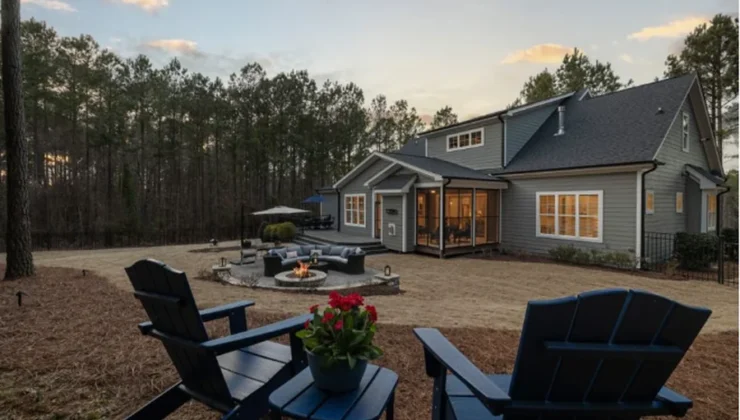
A patio works best when it feels like a natural extension of your home, not a forgotten slab where a lonely chair goes to retire. If you want your outdoor space to be more useful, you don’t need a giant makeover. A few smart upgrades can make it more comfortable, better looking, and easier to enjoy every day. The trick is picking changes that fit your life, your budget, and the way you actually spend time outside.
Start With Your Goals
Before you buy furniture or dream about string lights, take a second and ask yourself what you want this space to do. That sounds obvious, but a lot of patio projects go sideways because people decorate first and think later. A patio for quiet morning coffee needs something very different from a patio built for weekend cookouts.
You might want a place where kids can snack after school, where friends can gather without squeezing around a tiny table, or where you can sit outside and pretend you’re on vacation for 20 minutes. All of those are good goals. Write down your top two uses and let that guide your choices.
It also helps to notice what’s not working now. Maybe the patio gets too hot. Maybe there’s no comfortable seating. Maybe it looks fine but feels a bit plain. Once you know the problem, your upgrades start to make a lot more sense.
Choose The Right Surface
The patio surface does a lot of heavy lifting. It affects how the space looks, how easy it is to clean, and whether it feels polished or patched together. If your current patio is cracked, stained, or just kind of blah, upgrading the surface can completely change the vibe without changing your whole yard.
Many homeowners look at stamped concrete patio contractors when they want a surface that feels more finished but still practical. Stamped concrete can mimic stone, brick, or tile while being easier to maintain than some other materials. That means you can get style without signing up for endless outdoor drama.
When comparing options, ask about durability, slip resistance, drainage, and how the surface handles weather in your area. It’s also smart to ask for photos of past work so you can see the range of patterns and colors. A good patio surface should look great, but it also needs to survive real life, including muddy shoes and spilled lemonade.
Plan For Shade
A beautiful patio that turns into a frying pan by noon won’t get much love. Shade makes a huge difference in how often you use the space. Even a small amount can turn a too-hot patio into a spot where you actually want to hang out.
You don’t always need a big permanent structure. A large umbrella can work well for a small seating area or dining table. Pergolas add style and can support climbing plants or fabric panels. If you want a softer, more natural look, trees can help, though they take time to grow and may drop leaves like tiny confetti bombs.
Think about when the sun hits hardest. Morning sun and late afternoon sun can create very different comfort issues. If your patio gets direct light during dinner hours, that matters more than what happens at 10 a.m. A simple shade solution often gives you more value than a fancy decorative feature you barely notice.
Add Easy Seating
Outdoor seating should feel welcoming, not like a test of your core strength. If people can’t sit comfortably, they won’t stay long. The good news is you don’t need a perfect designer setup to make the space inviting.
Start with the way you use the patio. If you eat outside often, a table and chairs come first. If the space is more for relaxing, consider a bench, a pair of lounge chairs, or a small conversation set. Movable pieces are useful because you can shift things around for guests, sun, or shade.
Storage benches are especially handy. They offer seating and a place to stash cushions, toys, or outdoor odds and ends. That’s a nice win for smaller patios where every inch matters. Try not to overcrowd the space. A patio stuffed with furniture can feel like an obstacle course.
Choose pieces that are sturdy and easy to wipe down. You want comfort, but you also want to avoid furniture that demands more attention than a needy houseplant.
Light It Up
Lighting changes a patio fast. During the day, your space might look ordinary. At night, the right lights can make it feel warm, calm, and just a little magical without getting too fancy about it. Good lighting also helps with safety, which matters when people are carrying drinks, plates, or sleepy toddlers.
String lights are popular for a reason. They’re easy, cozy, and forgiving. Solar path lights help define walkways and edges, especially if steps are involved. Wall-mounted fixtures can brighten entry points, while lanterns add a softer touch on tables or corners.
You don’t need stadium-level brightness. In fact, too much light can kill the mood and make the patio feel like a parking lot. Aim for layers instead. A little overhead glow, a little pathway lighting, and a little accent light often work better than one super-bright source.
If you plan to use the patio often after dark, think about where shadows fall. The goal is simple: you should be able to see where you’re going and still enjoy the atmosphere.
Bring In Texture
Once the big pieces are in place, texture is what makes a patio feel lived in and finished. Without it, the space can feel a bit flat, even if everything is technically nice. This is where simple additions do a lot of work.
An outdoor rug helps define the seating area and makes things feel grounded. Cushions add softness and color without demanding a full makeover. Planters bring life and shape, and they’re a great way to soften hard surfaces like concrete or brick. Mixing materials also helps. Wood, metal, fabric, and greenery create a more relaxed and layered look.
You don’t need dozens of accessories. A few well-chosen items usually look better than filling every corner. Think about colors that connect with your home’s exterior so the patio feels like it belongs there. If your style is simple, keep it simple. If you like bolder colors, add them in pieces that are easy to swap later.
Texture is basically the difference between “this is my patio” and “this is my patio, and yes, I’d happily sit here for an hour.”
Make It Low-Stress
The best patio upgrades are the ones you’ll still like a year from now, especially when they don’t create extra chores. A space that looks great but needs constant cleaning, covering, repainting, or rearranging can stop feeling relaxing pretty quickly.
Choose materials that match your tolerance for maintenance. If you know you won’t reseal wood every season, consider alternatives. If cushions will get soaked and stay outside, look for weather-friendly fabrics. If your patio gets lots of leaves or pollen, avoid layouts that are hard to sweep or rinse.
It also helps to leave a little open space. Patios work better when they’re easy to move through and easy to clean. You want enough style to feel special, but not so much stuff that every weekend starts with tidying.
A smart patio doesn’t need to be huge or expensive. It just needs to support the way you live. When your upgrades make the space easier to use, more comfortable, and less work to maintain, you’ll end up outside more often. That’s really the whole point.