How Ottawa’s Weather Affects Your Vehicle and When to Call for Help
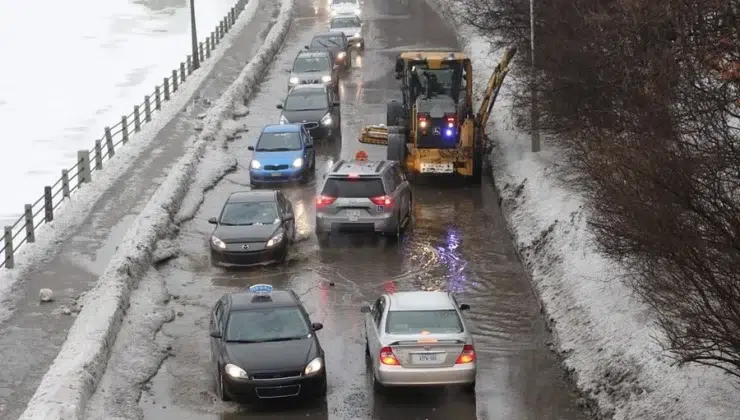
Summers are genuinely hot, regularly pushing above 30 degrees Celsius. Winters are genuinely cold, regularly hitting minus 25 or colder. The spring and fall transitions bring temperature swings that can drop 20 degrees in a single day. Each of these conditions creates specific vehicle vulnerabilities that Ottawa drivers should understand before those vulnerabilities turn into roadside emergencies.
What Summer Heat Does to Ottawa Vehicles
Most Ottawa drivers think of winter as the dangerous season for vehicles, and they are right. But summer heat creates its own category of problems that catch drivers off guard. Tire blowouts are significantly more common in hot weather because high ambient temperatures combined with underinflation create heat buildup inside the tire that can exceed the rubber’s structural limits. Check your tire pressure more frequently in July and August than you do in the winter months. A tire that appears fine visually may be significantly underinflated, and in Ottawa summer heat, that underinflation creates a real blowout risk at highway speeds on the 417 and 416.
Engine overheating is another summer-specific concern. Ottawa heat waves push coolant systems harder than they are designed for if the coolant level is low or the system has not been serviced recently. A temperature gauge climbing toward the red during a traffic jam on the 417 between Kanata and downtown Ottawa is a genuine warning that requires immediate action, not a few more minutes of hoping it drops on its own. Pull over, turn off the engine, and let it cool before opening the hood. Never open a hot radiator cap. Call for help if the vehicle will not restart safely after cooling.
Batteries also suffer in extreme heat, though differently from extreme cold. High heat accelerates the internal chemical degradation of a battery and shortens its overall lifespan. A battery that survives an Ottawa summer in marginal condition very often fails to survive the following winter. The heat did the damage. The cold just reveals it.
Spring and Fall: The Transition Seasons Ottawa Drivers Underestimate
Spring and fall in Ottawa receive far less attention than summer heat or winter cold, but the transition seasons create their own specific vehicle hazards. In spring, road surfaces that have been damaged by freeze-thaw cycles through the winter develop potholes that appear suddenly and can cause significant tire and wheel damage. The stretch of Merivale Road in Nepean, sections of the Vanier Parkway, and residential streets throughout Barrhaven and Orleans develop serious pothole conditions each spring that catch drivers off guard.
Hitting a deep pothole at speed causes immediate and sometimes severe damage to tires, rims, and suspension components. A rim bent enough to cause a slow or sudden leak is a common spring towing call across Ottawa. Checking your tire pressure regularly in March and April and driving at reduced speed on rough road sections is the preventive step that avoids a spring pothole becoming a roadside emergency.
Fall brings its own hazards in the form of wet leaves on road surfaces. Wet leaves reduce traction nearly as effectively as ice and are invisible as a hazard to most drivers because they look harmless. Intersections and corners in older, heavily treed Ottawa neighbourhoods like Rockcliffe Park, the Glebe, Westboro, and New Edinburgh develop leaf-covered surfaces in October that behave like a slick road surface when wet. Approach these areas with more stopping distance than you think you need.
What Ottawa Winters Do That Drivers Underestimate
The battery is the most obvious winter casualty, but it is not the only one. Tire pressure drops approximately one pound per square inch for every 10 degrees Celsius drop in temperature. An Ottawa temperature swing from plus 5 to minus 25 over 24 hours drops your tire pressure by three pounds per square inch automatically, without any leak or damage. Check your pressure after significant cold snaps. A properly inflated winter tire provides significantly better traction than an underinflated one, and in Ottawa’s winter, that difference is measurable in stopping distance on icy roads.
Door lock cylinders and rubber door seals freeze in Ottawa winters in ways that drivers from warmer climates do not anticipate. Applying a small amount of lock de-icer to door locks before the first freeze of the season is a simple preventive step that costs a few dollars and saves the frustration of a frozen lock at 7 am when you are already running late. Rubber door seals benefit from a silicone lubricant applied in the fall that prevents them from freezing to the door frame overnight.
Windshield washer fluid rated for minus 40 Celsius is not optional in Ottawa. Fluid that is not rated for Ottawa winter temperatures freezes in the reservoir, on the nozzles, and on the windshield itself mid-spray, leaving a sheet of ice across the driver’s field of view at the worst possible moment. Top up with properly rated fluid before November and check it again after any major temperature drop.
Fuel lines and fuel systems also respond to Ottawa’s cold in ways that catch unprepared drivers. Keeping your fuel tank above the halfway mark in winter months prevents condensation from forming inside the tank, which can introduce water into the fuel system and create cold-weather starting problems that are expensive to diagnose and fix.
When Weather Creates a Towing Emergency in Ottawa
The calls Ontario Towing receives most predictably from Ottawa drivers follow the weather calendar closely. The first significant cold snap of the season, usually in November, produces a surge of dead battery calls from across the city. Barrhaven, Kanata, Stittsville, and Orleans all generate high call volumes within 24 to 48 hours of the first hard freeze because that is when marginal batteries finally give out. These communities sit further from the urban core, and their temperatures drop slightly faster and further than the city centre, which is why they consistently lead the early winter call volume.
The first significant ice storm of winter, which in Ottawa can happen anywhere between October and March, produces a wave of ditch recovery and collision towing calls. The roads around Manotick, Riverside South, and the rural sections of west Ottawa ice before the urban core gets treated, which means these communities see the first winter ditch calls every year. Ontario Towing’s drivers know which routes in these areas freeze first and which access roads to take when the salt trucks have not yet reached the south and west ends of the city.
Spring pothole season generates a consistent wave of flat tire and bent rim calls from Ottawa drivers who encounter road damage that was invisible under winter snow and ice. The weeks immediately after the snow melts, typically March and April depending on the year, see elevated call volumes from communities with older road infrastructure throughout the city.
How to Protect Your Vehicle Through Ottawa’s Full Weather Cycle
The drivers who avoid roadside emergencies most consistently in Ottawa are the ones who maintain their vehicles according to the season rather than on a fixed calendar. A fall inspection before the first freeze should cover battery condition and load capacity, tire pressure and tread depth on winter tires, antifreeze level and concentration, all fluid levels including brake fluid and power steering fluid, and wiper blades rated for winter use.
A spring inspection after the last frost should cover tire condition and pressure as winter tires come off, a check for any suspension damage from winter potholes, a brake inspection after a season of salt exposure, and a wash of the undercarriage to remove road salt that continues to corrode metal components even after the winter driving season ends.
Knowing the weather patterns and knowing who to call gives Ottawa drivers a genuine advantage when the conditions turn. Ontario Towing has been responding to weather-driven roadside emergencies across Ottawa since 1999. When a November cold snap produces a dead battery in a Kanata driveway at 6 am or an ice storm strands a driver on a rural road near Manotick at midnight, they are the call that gets a real person and a dispatched truck immediately. Save their number before the season changes.