Protect Your Gear: Why Your Studio’s Roof is Your First Line of Defense
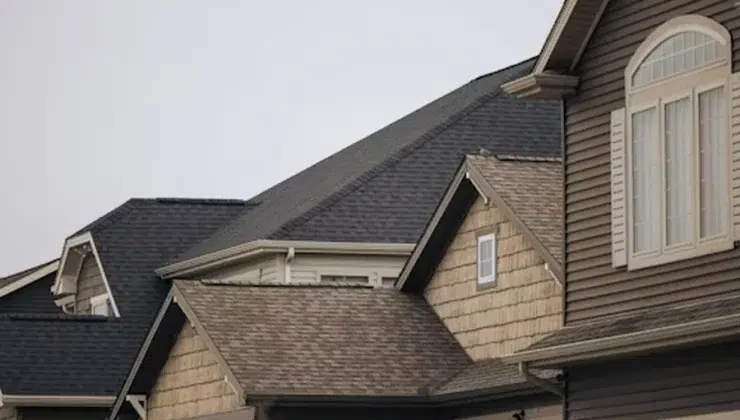
Setting up a music studio takes time and a lot of money, plenty of both. You spend months picking out the right microphones and soundproofing the walls. Most of the focus stays inside the room where the magic happens.
Many people forget to look up at the very top of the building. A solid roof keeps the rain away from your expensive gear. Without a strong barrier, every storm becomes a risk to your hard work. Keeping the exterior in good shape keeps your creative flow moving.
The Hidden Value Of A Sound Roof
A roof does more than keep you dry during a heavy storm. It acts as a thermal shield that keeps the temperature inside the room steady. High heat can damage delicate preamp circuits and old guitar pedals.
Keeping the sun off the building prevents the air conditioner from working too hard. This thermal regulation protects the lifespan of your electronics and cooling systems.
Small drips often go undetected for weeks or months. These tiny leaks can ruin acoustic foam and cause drywall to crumble. Catching these issues early saves thousands of dollars in gear repairs. A secure exterior keeps your indoor climate perfect for recording at any time.
Finding Local Specialists
Maintaining a recording space requires professional eyes to spot trouble before it starts. Hiring local roofing specialists can help you identify weak spots in the shingles or flashing. They understand how different weather patterns affect the materials on your home or commercial building.
Having a pro check the seams is better than finding a puddle on your mixing console later. Professional inspections give you a clear map of what needs fixing before the rainy season begins.
Regular checks prevent sudden disasters that could halt your projects. A small fix today prevents a massive replacement job next year. You can focus on the music when you know the sky is staying outside.
Preventing Damage From Humidity
Guitars and pianos are sensitive to the amount of water in the air. Natural materials react to the environment by changing shape or size. The Musicians Institute notes that wood acts like a sponge by soaking up or releasing water based on the air around it.
Low levels can lead to cracks in the finish or the body itself. Keeping the air dry is a top priority for any serious musician. High humidity levels can cause the wood to swell or warp.
A leaky roof introduces extra dampness that your dehumidifier might not handle. Protecting the ceiling helps maintain the stability of every acoustic instrument in your collection.
Acoustic Performance And Structural Health
Soundproofing depends on the density and seal of the building materials. Gaps in the roof structure allow outside noise to bleed into your tracks. A publication by the Gypsum Association states that building materials help block noise when they are used with insulation.
This setup helps block out traffic noise or wind during sensitive recording takes. Clear audio requires a building that is completely sealed from the world. You want your walls to reflect sound, not grow spores that damage your health and gear.
If the roof leaks, the insulation inside the walls gets wet and loses its effectiveness. Damp materials do not block sound as well as dry ones. Water damage leads to mold growth that ruins the air quality. Keeping the structure dry preserves the acoustic integrity of your entire studio.
- Inspect the flashing around chimneys and vents.
- Clean the gutters every spring and fall.
- Look for missing or curled shingles after high winds.
- Check the attic for water stains on the rafters.
- Replace old sealants before they crack.
- Trim tree branches that hang over the roofline.
Protecting Equipment From Water Intrusion
Modern studios rely on a complex network of power cables and digital interfaces. Water and electricity are a dangerous combination for any homeowner. The Federal Alliance for Safe Homes recommends lifting electronics to keep them away from rising water.
Even a small roof leak can send a stream of water directly into a rack of gear. You can set up your cable runs with confidence when you trust your ceiling.
Protecting the power source is just as necessary as protecting the instruments. Circuit boards can short out instantly if a drop of water hits the wrong spot.
A reliable roof prevents these accidents from happening in the middle of a session. Keeping everything high and dry is the best way to avoid costly replacements.
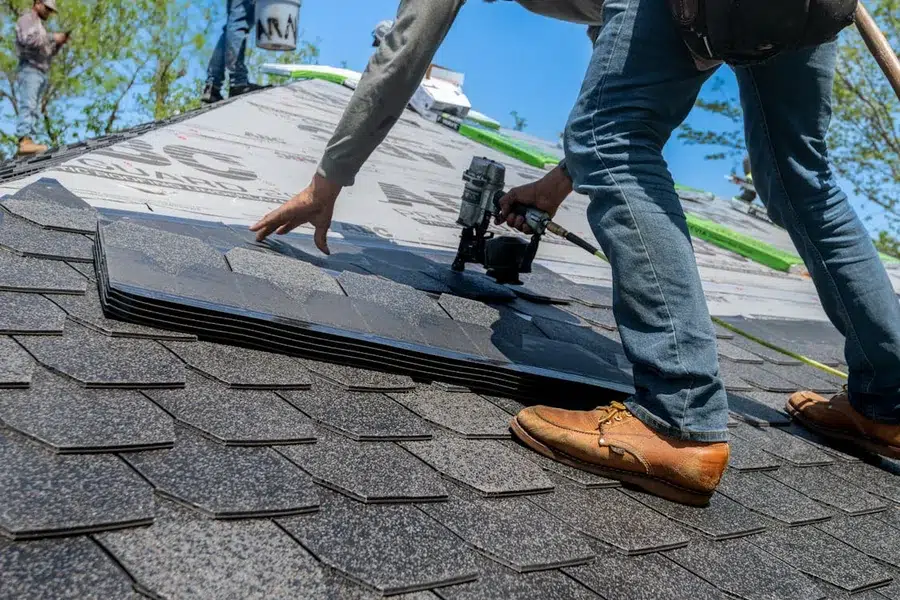
Planning Maintenance
Investing in quality materials now prevents expensive headaches in the future. A roof that lasts 20 years provides a great return on investment for your business. You avoid the stress of moving gear around whenever a dark cloud appears.
This stability allows you to plan larger projects without worrying about the weather. Your studio remains a safe place for clients and artists to create. Regular upkeep makes sure your assets remain safe from the elements.
Replacing a roof is a high cost that requires careful budgeting. Homeowners pay varying amounts based on the size of the building and the materials chosen. Planning for this expense ahead of time keeps your studio running smoothly.
A well-maintained building stays functional for decades of creativity. Checking the structure every 12 months is a smart habit for any owner.
Your studio is a sanctuary for art and sound. Taking care of the roof is the best way to guard your investment. When the structure is sound, you can record with confidence and peace of mind.
No one wants to worry about a ceiling drip during a perfect vocal take. Focus on the melodies and let the roof handle the elements. A little bit of maintenance goes a long way in keeping the music playing for years to come.