How to Budget for HVAC or Plumbing Replacement Projects
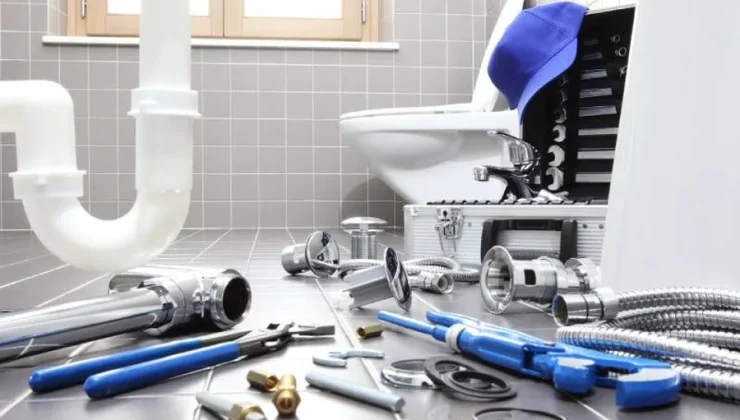
Replacing an HVAC system or a major plumbing fixture can be one of the most significant home expenses a household faces, and many homeowners are caught off guard when the time comes. Whether it is a furnace reaching the end of its lifespan or a plumbing line that requires a complete overhaul, careful planning makes the process less stressful and more financially manageable. We will explore how to create a realistic budget for HVAC or plumbing replacement projects, taking into account both immediate costs and long-term value. With the right approach, you can reduce the financial strain, avoid unnecessary debt, and ensure that your investment supports the comfort, efficiency, and safety of your home for years to come.
Key Steps to Building a Realistic Budget
1. Assess the Current Condition of Your Systems
The first step in preparing a budget for HVAC or plumbing replacement is understanding the current condition of your equipment or fixtures. An older furnace, air conditioner, or water heater may exhibit subtle signs of wear before completely breaking down. Similarly, recurring leaks or low water pressure may indicate more serious plumbing issues. By scheduling an inspection with a trusted provider, such as Bruno Plumbing & Heating, or performing your own assessment, you can determine whether a full replacement is required or if repairs can extend the system’s life a little longer.
This assessment not only helps you avoid premature spending but also allows you to estimate the potential urgency of replacement. When you know what to expect, you can set aside funds gradually instead of scrambling for emergency financing at the last moment. Planning in advance based on the condition of your systems is the foundation of a practical budget.
2. Research the Average Costs in Your Area
Once you understand the condition of your HVAC or plumbing systems, the next step is to research the typical replacement costs in your region. Prices vary widely depending on location, system size, brand, and complexity of installation. For instance, replacing an HVAC system can range from several thousand dollars to significantly higher if ductwork modifications are needed. Plumbing replacements, such as repiping an older home, can also come with a broad cost spectrum. By comparing average prices from multiple local providers, you create a realistic expectation for your budget. Please note that labor, permits, and potential upgrades for efficiency or code compliance may impact the total price. Having a ballpark figure prevents underestimating and ensures your savings target aligns with the actual cost of replacement.
3. Account for Hidden or Additional Expenses
When budgeting for HVAC or plumbing replacement projects, it is essential to consider the total cost, including not only the equipment but also the installation and other associated expenses. Many homeowners forget that expenses such as removal of old systems, disposal fees, necessary repairs to surrounding structures, or electrical upgrades may appear unexpectedly. For plumbing replacements, additional work like drywall patching, flooring replacement, or insulation may be required if the system is located behind walls or under floors. Similarly, HVAC installations often involve checking electrical panels or upgrading thermostats. Failing to anticipate these extras can throw your budget off balance. Building a buffer of 10–20 percent above the estimated project cost provides peace of mind and prevents financial strain. By planning for these potential surprises, you create a more accurate and less stressful budgeting experience.
4. Consider Financing and Payment Options
Even with careful savings, large replacement projects may exceed the funds you have immediately available. In such cases, financing options can bridge the gap, allowing for manageable monthly payments. Many HVAC and plumbing companies partner with financial institutions to offer payment plans, and some provide promotional rates, such as deferred interest for a set period. While financing can make a project more affordable upfront, it is important to evaluate the total cost of repayment, including interest, before committing. If you prefer to avoid loans, consider creating a dedicated savings account where you contribute monthly to cover future replacement needs. Balancing between available cash and financing ensures you do not jeopardize your overall financial stability while still maintaining a comfortable home.
5. Prioritize Energy Efficiency and Long-Term Value
Budgeting should not only focus on the immediate expense but also on the potential long-term savings that come with upgrading to more efficient systems. A new HVAC system with higher efficiency ratings can significantly reduce monthly energy bills, offsetting the higher upfront cost over time. Similarly, modern plumbing fixtures and systems can improve water conservation, lower utility costs, and reduce the risk of costly damage from leaks or bursts. While it may be tempting to choose the lowest initial price, considering the long-term financial benefits of efficiency upgrades makes your budget work harder for you. Incorporating value-based planning ensures your investment continues to pay dividends well after the installation is complete.
Budgeting for HVAC or plumbing replacement projects may seem overwhelming, but with a structured approach, it becomes a manageable process that safeguards your home’s comfort and efficiency. By assessing the current condition of your systems, researching costs, preparing for potential hidden expenses, and considering financing options, you can create a budget that reflects both your immediate needs and long-term benefits. Prioritizing efficiency, comparing multiple quotes, and planning for ongoing maintenance ensures your investment is sustainable and worthwhile. With thoughtful planning and realistic budgeting, you can face these large projects with confidence and financial security.