The Hidden Cost of Neglected Gutters: How Small Clogs Become Big Damage
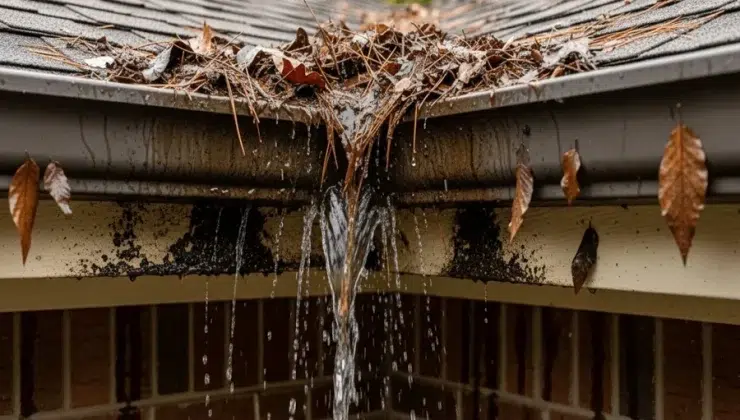
Most property owners don’t think about gutters until something goes wrong. A drip line near the entryway, a damp smell in the garage, a stain creeping down the stucco—small signs that feel easy to ignore. But when gutters are neglected, the “minor” clog you meant to handle later can quietly trigger expensive, cascading damage to roofs, walls, foundations, and landscaping.
This matters everywhere, but it’s especially important for rain gutters Las Vegas properties. Desert storms can dump intense rainfall in short bursts. When gutters can’t move water fast enough—because they’re packed with grit, shingle granules, or leaves from neighborhood trees—water goes where it shouldn’t. The result: repairs that cost far more than routine maintenance.
Below is what actually happens when gutters are ignored, why small clogs cause big problems, and how to prevent it with practical steps you can implement today.
Why “Just a Little Debris” Is a Big Deal
A gutter system is simple: collect runoff from the roof and direct it safely away from the building. The problem is that “simple” doesn’t mean “forgiving.”
Even a partial blockage changes the flow pattern. Water slows down, starts to back up, and then overflows. Once water spills over the gutter edge, it repeatedly hits the same areas—roof edges, fascia boards, stucco lines, and soil near the foundation—creating wear that builds over time.
The snowball effect: how a small clog grows
A small clog tends to:
- Trap more debris (wet leaves, grit, roofing granules)
- Hold moisture longer (accelerating rot and corrosion)
- Add weight to the system (pulling gutters out of alignment)
- Force water to overflow in concentrated spots (causing localized damage)
That’s how a minor clog turns into sagging gutters, rotted fascia, and water intrusion.
Damage #1: Roof Edge Rot and Fascia Failure
When gutters overflow or back up, water often flows behind the gutter instead of into it—especially if the system is slightly mis-pitched or the drip edge is compromised.
Over time, this can lead to:
- Soft or rotting fascia boards
- Peeling paint or bubbling finishes
- Loose fasteners and separated seams
- Mold growth in shaded roof-edge areas
Roof-edge rot becomes expensive because repairs may require removing sections of gutter, replacing wood, and re-securing the system properly. If the overflow reaches under the roofline, you can also end up with decking damage.
Tip: After any heavy storm, do a quick walk-around. If you see water marks under the gutter line or behind downspouts, treat it as a “check now” issue—not a “someday” task.
Damage #2: Foundation and Structural Problems
Gutters don’t just protect the roof—they protect the structure below. When water pours off the roof edge and lands near the base of a building, it can saturate soil and change how the ground supports the foundation. In some cases, this contributes to settling, cracking, or movement.
For homes and commercial properties alike, poor drainage can lead to:
- Soil erosion near the perimeter
- Cracks in masonry, stucco, or interior drywall
- Wet crawlspaces and musty odors
- Damage to exterior steps, walkways, or hardscapes
In Las Vegas, the soil can be especially vulnerable to washouts during sudden downpours. Overflowing gutters create concentrated streams that carve channels quickly.
Practical insight: Downspouts should discharge water away from the foundation. If water pools near the base, the issue isn’t just “dirty gutters”—it’s improper drainage behavior.
Damage #3: Exterior Staining, Stucco Breakdown, and Paint Failure
Overflowing gutters can create ugly streaks down stucco, siding, and painted surfaces. Beyond appearance, repeated wetting and drying breaks down finishes faster, and dirt-laden overflow can “sandblast” surfaces over time.
Common symptoms include:
- Rust-like stains beneath seams
- Dark streaks under rooflines
- Efflorescence (white mineral deposits) on masonry
- Peeling paint near the drip line
These are expensive to fix because cleaning and repainting exterior surfaces—especially multi-story properties—adds up quickly.
Damage #4: Pest and Mosquito Problems
Clogged gutters hold water, and standing water is an open invitation for pests. Mosquitoes, birds, and insects can use clogged sections as a habitat. Even if water doesn’t fully pool, wet debris creates a shelter that pests love.
This is one reason many property owners explore gutter cover solutions—less debris in the trough can mean fewer pest-friendly conditions.
Damage #5: Costly Repairs You Didn’t Budget For
When gutters fail, the repair bill isn’t usually “just gutters.” It’s the domino costs that show up afterward:
- Fascia board replacement
- Roof edge repairs
- Stucco patching and repainting
- Landscaping and irrigation fixes
- Interior water damage remediation
If you’re already seeing leaks, separation at seams, or persistent overflow, it may be time to consult a professional gutter company. Local specialists like Southwest Seamless Rain Gutters help property owners identify the root cause of gutter issues and recommend long-term solutions—not just quick fixes.
For properties with visible sagging, holes, or separated corners, timely gutter repair services can restore proper flow and prevent repeat overflows.
Prevention: A Simple Checklist That Saves Thousands
You don’t need to overcomplicate gutter care. Most major damage can be avoided with consistent habits and the right upgrades.
Start with these practical steps
- Inspect twice a year (spring and fall) and after major storms
- Check downspouts for clogs—overflow often starts there
- Confirm proper slope: gutters should pitch toward downspouts
- Watch for seam leaks and separated corners, especially after heat cycles
- Make sure water exits away from the foundation (use extensions if needed)
When protection systems make sense
If your property regularly collects debris, the right protection system can reduce cleaning frequency and keep flow more consistent during storms. Leaf screens and full gutter protection systems can help block debris while improving runoff handling during heavy rainfall events.
Real-World Example: The “One Corner Overflow” Problem
A common scenario looks like this: during a storm, one corner overflows while the rest seems fine. Many people assume the system is “mostly working.”
But that single overflow point often indicates:
- A downspout clog beginning to form
- A low spot from sagging hangers
- Debris trapped at an inside corner
- A seam leak that worsens under pressure
Left unchecked, that corner becomes the “damage zone”—staining, rot, and erosion concentrate there. Fixing it early is almost always cheaper than repairing what it causes later.
Conclusion: Gutters Are Small—But the Stakes Aren’t
Neglected gutters don’t fail all at once. They fail slowly, quietly, and then expensively. What starts as a light clog can evolve into roof-edge rot, exterior damage, foundation issues, and pest problems—especially during intense desert storms that stress rain gutter systems.
The best approach is simple: inspect, clean when needed, repair early, and consider protective upgrades if debris is a recurring issue. Treat your gutters like a key part of your building’s drainage system—not an accessory—and you’ll avoid the hidden costs that catch so many homeowners and business owners off guard.