Cleaning Plan for Phoenix Workplaces With Dust, Heat, and Heavy Foot Traffic
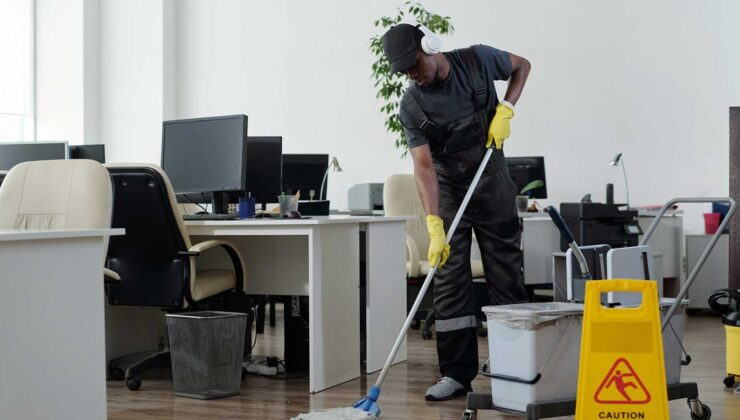
Phoenix facilities face conditions that can quickly undermine a standard cleaning checklist. For facilities evaluating local help, commercial cleaning solutions for Phoenix businesses from Keepers Commercial Cleaning provide a useful local reference for recurring janitorial, overnight, day porter, floor, window, warehouse, and post-construction programs. Keepers Commercial Cleaning has worked with offices, schools, hospitality properties, warehouses, and entertainment venues across the Phoenix metro, including Tempe, Scottsdale, Chandler, Mesa, Glendale, Surprise, and Peoria, giving its local crews practical experience with facility-specific schedules and Valley conditions.
A workable plan is not simply about making a building look tidy at the end of the day. It should reduce tracked-in grit, address spills promptly, support occupant comfort, protect surfaces, and give managers a clear record of completed work. The right approach varies by building, occupancy, operating hours, and the type of work happening inside.
Why Phoenix Workplaces Need a Localized Cleaning Plan
A routine designed for a mild climate can leave Phoenix's problem areas untreated. Fine outdoor dust enters through doors, loading docks, vents, and employee traffic. Summer heat changes the safest time for exterior tasks, while monsoon weather can create sudden mud, moisture, debris, and slip hazards. The City's 2026 heat response plan is a reminder that heat affects daily operations across the area, including when physically demanding facility tasks should be performed.
Build the Schedule Around Daily Traffic
Cleaning frequency should follow use. Start by mapping the busiest periods in each zone, identifying work that must occur before opening, and setting aside low-traffic windows for deeper cleaning. Review the schedule after major events, storms, tenant changes, or repeated complaints.
- A busy office may need morning restroom checks, midday break-room service, and evening janitorial work.
- A warehouse may need pre-shift floor care, dock checks during operations, and post-shift waste removal.
- A venue may need rapid restroom, seating, and concession-area service between events.
Control Dust Before It Spreads
Dust control begins at the building perimeter. The goal is to capture particles before shoes, carts, and air movement distribute them throughout the facility. Entry mats should be cleaned or replaced on a defined cycle, especially at employee entrances and loading docks. Vacuum traffic lanes before damp mopping, and schedule recurring attention for door frames, ledges, vents, window tracks, ceiling fixtures, rafters, and other elevated surfaces.
Use equipment that captures fine particles instead of pushing them into the air. Facility managers should also coordinate with maintenance teams when dust repeatedly gathers around vents, filters, or mechanical areas.
Prioritize High-Touch and Shared Areas
Room size is not the best way to prioritize cleaning. A small push bar or faucet may receive more contact in a day than an entire corridor. Place door handles, elevator buttons, handrails, reception counters, check-in screens, appliance handles, restroom fixtures, shared phones, tools, carts, and workstations on a frequent-care list.
Cleaning and disinfection are different tasks. Remove visible soil first, then use an appropriate disinfectant only when the setting, risk level, and product instructions call for it.
Protect Floors From Heat, Grit, and Wear
Grit acts like sandpaper under shoes, carts, forklifts, and rolling equipment. Daily sweeping or vacuuming at entrances and traffic lanes reduces wear before it becomes embedded in the flooring. Remove spills promptly, use cleaners designed for the specific surface, and schedule machine scrubbing where carts or heavy traffic leave residue. Track periodic needs such as buffing, sealing, stripping, or refinishing so floors are maintained before damage becomes expensive.
Adjust the Plan for Different Facility Types
Office Buildings
Focus on restrooms, kitchens, conference rooms, shared desks, entrances, and visible dust on horizontal surfaces.
Schools and Childcare Facilities
Build service around class changes, lunch periods, sports, assemblies, drinking fountains, restrooms, and frequently handled doors.
Warehouses and Distribution Centers
Prioritize docks, aisles, break rooms, equipment zones, spills, and dust accumulation while keeping cleaning work clear of active operations.
Hotels, Theaters, and Medical Offices
Guest-facing properties need fast turnover and post-event cleaning windows. Medical offices need written procedures, approved products, careful waste handling, and service that does not disrupt patient care.
Protect Cleaning Staff During Extreme Heat
A strong plan protects workers as well as occupants. Schedule exterior work and high-effort tasks during cooler periods when possible, provide water and recovery breaks, and ensure staff have appropriate footwear, gloves, eye protection, and task-specific protective equipment. OSHA guidance for working in outdoor and indoor heat environments can help supervisors recognize heat illness risks and plan safer work routines. Teams should also use caution around wet floors, hot surfaces, loading docks, and active equipment.
Use Inspections and Clear Accountability
A checklist only works when someone verifies it. Assign responsibility for each zone, use time-stamped task records, document missed areas and corrective actions, and complete weekly walkthroughs with the facility manager. Visible accountability matters more than an overly long service list. Managers need to know what was completed, when it was completed, and how repeated problems were resolved.
When Professional Support Makes Sense
Outside support can be practical for buildings with staffing gaps, large footprints, multiple shifts, specialized floor care, or frequent event turnover. Before selecting a provider, ask whether the team can work around operating hours, adapt during storms or busy seasons, document inspections, assign a supervisor, train workers for site hazards, and demonstrate experience in your facility type.
Common Questions About Phoenix Workplace Cleaning
How Often Should a Phoenix Business Be Cleaned?
Frequency depends on occupancy, foot traffic, floor type, operating hours, industry, and dust exposure. High-use zones may need multiple daily checks, while low-use spaces may fit a daily or weekly cycle.
Does Phoenix Weather Change Cleaning Frequency?
Yes. Dust, monsoon moisture, and heat can create short-term needs for additional entryway care, floor checks, glass cleaning, and debris removal.
Is Day Porter Service Necessary?
It can be valuable for facilities that stay busy throughout the day and need a quick response for restrooms, spills, waste, entryways, and event spaces.
Conclusion
Phoenix workplaces need cleaning plans based on real operating conditions, not generic calendars. Review traffic, dust exposure, heat, floor wear, shared touchpoints, and staff safety before setting service frequency. A clear schedule, trained team, and routine inspections can keep a facility cleaner, safer, and easier to manage throughout 2026.